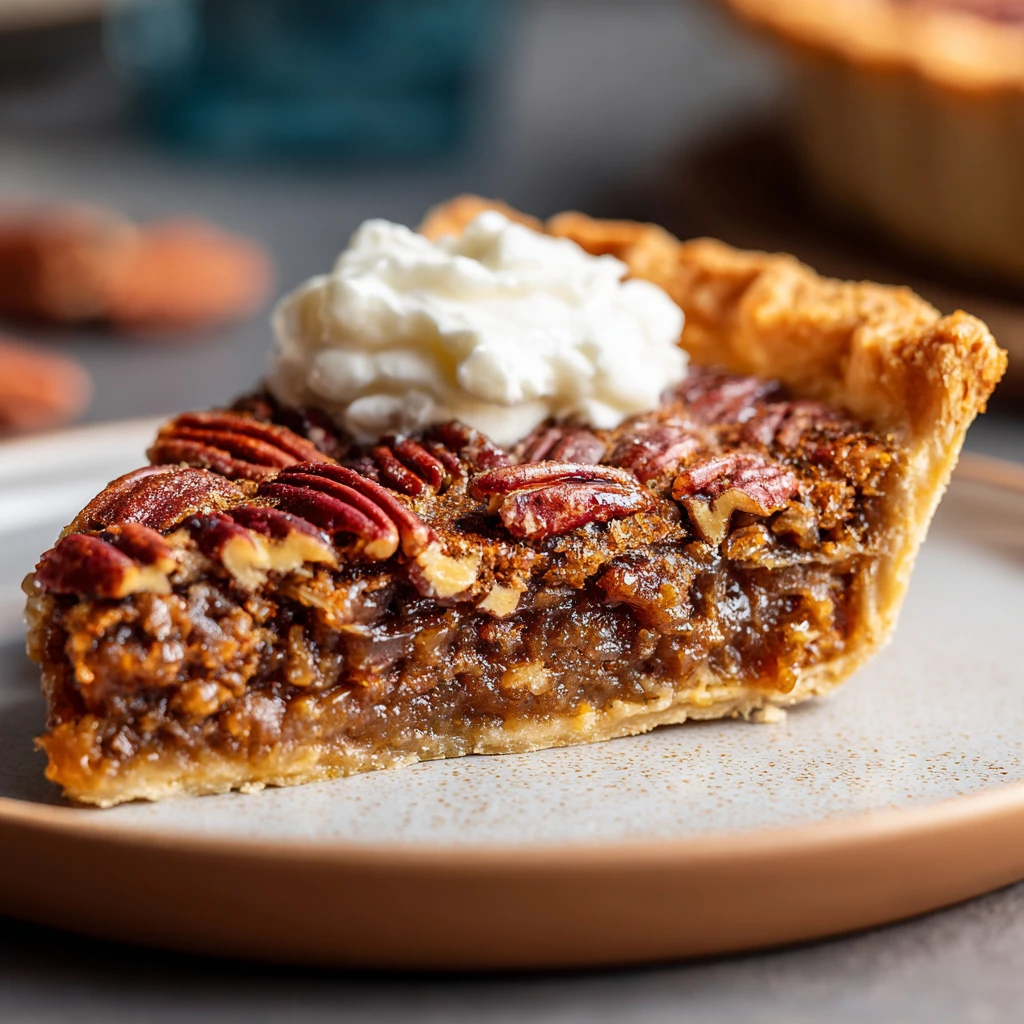
Pecan Pie Thanksgiving Recipes
Ingredients
- 1 1/4 cups (packed) light brown sugar
- 1/2 cup (1 stick) unsalted butter, melted
- 1/4 cup dark corn syrup
- 1/4 cup maple syrup
- 1 teaspoon vanilla extract
- 1/4 teaspoon salt
- 3 large eggs, lightly beaten
- 1 1/2 cups pecan halves or pieces
- 1 unbaked 9-inch pie crust
Step-by-Step Instructions
1. Preheat your oven to 350°F (175°C).
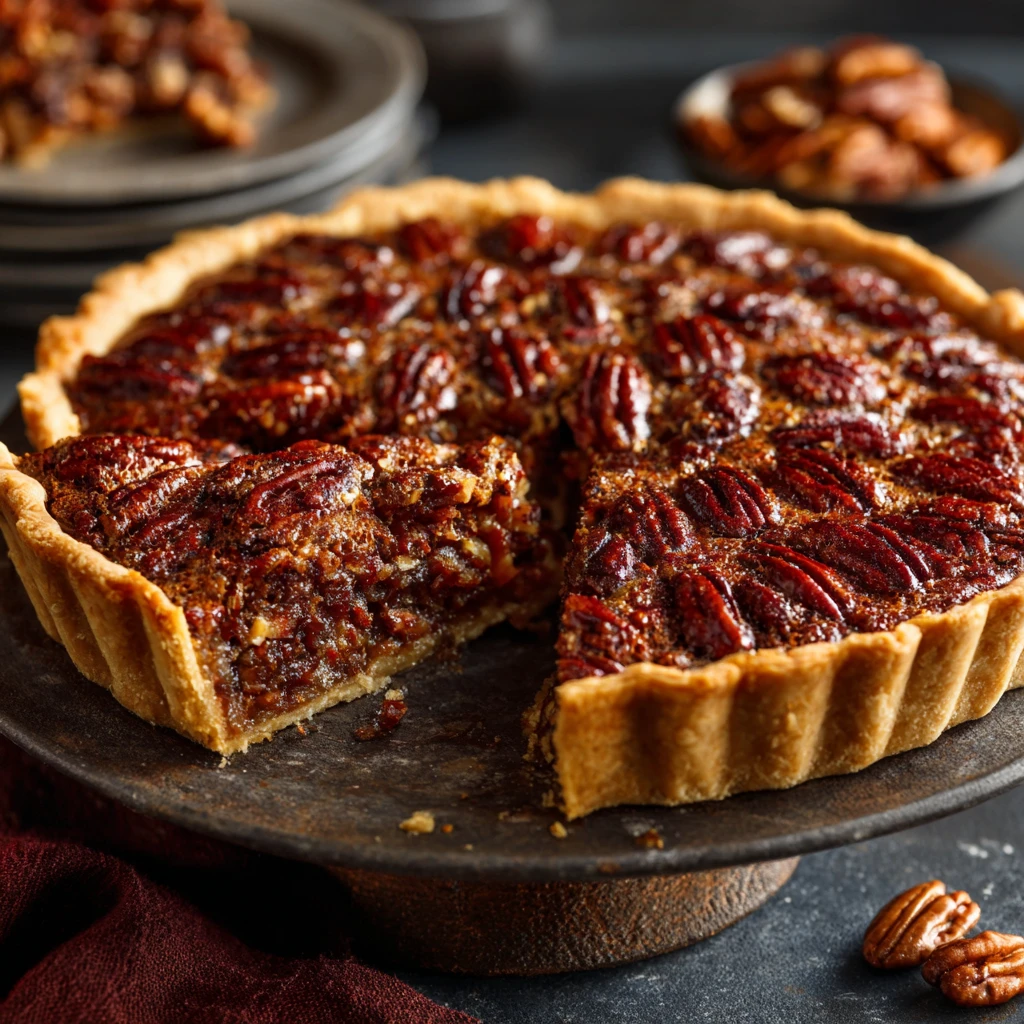
2. In a large bowl, whisk together the light brown sugar, melted butter, dark corn syrup, maple syrup, vanilla extract, and salt.
3. Add the lightly beaten eggs to the sugar mixture and whisk until well combined and smooth.
4. Gently fold in the pecan halves or pieces, ensuring they are evenly distributed throughout the mixture.
5. Pour the pecan filling into the unbaked 9-inch pie crust.
6. Bake in the preheated oven for 50-60 minutes, or until the filling is set but still slightly jiggly in the center.
7. If the crust starts to brown too quickly, cover the edges with foil or a pie shield.
8. Remove the pie from the oven and let it cool completely on a wire rack before slicing and serving. Cooling is crucial for the filling to set properly.
9. Serve at room temperature or slightly warmed. Enjoy!
The Allure of Pecan Pie at Thanksgiving
Pecan pie has long been a Thanksgiving staple. Its sweet, nutty flavor and rich texture make it a perfect ending to a holiday feast. But what makes it so appealing?
It’s more than just the taste. The aroma of a pecan pie baking fills the kitchen with a comforting, festive scent. This creates a sense of warmth and nostalgia that is especially welcome during the holiday season.
A Taste of Tradition
For many families, pecan pie is a tradition passed down through generations. Each family may have its own unique twist on the recipe. This makes the pie even more special and meaningful.
The combination of sweet filling and crunchy pecans offers a textural contrast. This enhances the overall sensory experience. It’s a satisfying treat that appeals to a wide range of palates.
The Ease of Pecan Pie
Compared to other pies, pecan pie is relatively simple to make. This makes it a popular choice for home bakers. It requires fewer ingredients and less complicated techniques.
With just a few pantry staples, anyone can create a delicious pecan pie. The ease of preparation adds to its appeal. This makes it a stress-free addition to the Thanksgiving dessert table.
Mastering the Perfect Pecan Pie Filling
The filling is the heart and soul of a pecan pie. Achieving the perfect balance of sweetness, richness, and texture is key to a truly exceptional pie. What are some tips for mastering the filling?
Achieving the Right Consistency
The ideal pecan pie filling should be smooth, rich, and slightly gooey. Avoid overcooking the filling, as this can lead to a dry or crumbly texture. It’s best to remove the pie from the oven when the center is still slightly jiggly. The residual heat will continue to cook it as it cools.
Using high-quality ingredients, such as real butter and pure vanilla extract, can also significantly impact the flavor and texture of the filling. Experiment with different ratios of brown sugar, corn syrup, and maple syrup to find your preferred sweetness level.
The Importance of Egg Ratio
Eggs play a vital role in the pecan pie filling. They help bind the ingredients together and create a smooth, custard-like texture. Using too many eggs can result in a rubbery filling. Too few eggs can result in a runny filling.
A good rule of thumb is to use about three large eggs for a standard 9-inch pie. Beating the eggs lightly before adding them to the mixture is also important. This helps ensure they are evenly distributed and prevents overmixing.
Adding Depth with Different Sugars
While light brown sugar is a common ingredient in pecan pie filling, consider experimenting with other sugars. Adding a touch of dark brown sugar can deepen the flavor. Molasses provides a richer, more complex sweetness.
Maple syrup also adds a unique dimension to the filling. The combination of different sugars creates a more nuanced and interesting flavor profile. It elevates the pie beyond the ordinary.
Choosing the Right Pecans for Your Pie
Pecans are the star of the show in pecan pie. Selecting the right type and quality of pecans can make a significant difference in the final product. What should you look for when choosing pecans?
Pecan Varieties: Taste and Texture
There are many different varieties of pecans, each with its own unique flavor and texture. Some varieties are sweeter and more delicate, while others are richer and more robust.
Choosing the right variety depends on your personal preference. Stuart pecans are a classic choice with a mild, buttery flavor. Desirable pecans are larger and meatier, with a richer taste.
Pecan Preparation: To Toast or Not to Toast?
Whether to toast the pecans before adding them to the pie is a matter of personal preference. Toasting the pecans can enhance their flavor and add a delightful crunch. This can be done in the oven or in a dry skillet.
However, some people prefer the softer texture of untoasted pecans. Experimenting with both methods will help you determine which you prefer. If toasting, be careful not to burn the pecans.
Pecan Placement: Whole vs. Chopped
The way you arrange the pecans in the pie can also affect its appearance and texture. Using whole pecan halves creates a visually stunning pie. This is perfect for special occasions.
Chopped pecans offer a more uniform texture throughout the pie. They make it easier to slice and serve. Consider a mix of both for the best of both worlds.
Perfecting Your Pecan Pie Crust
The crust is the foundation of any great pie. A flaky, buttery crust complements the sweet, nutty filling of a pecan pie. It provides a satisfying contrast in texture. How can you perfect your pecan pie crust?
Homemade vs. Store-Bought Crust
The first decision is whether to make your own crust or use a store-bought one. A homemade crust allows for greater control over the ingredients and flavor. This leads to a superior final product.
However, store-bought crusts are a convenient option for busy bakers. If using a store-bought crust, choose a high-quality brand. Look for one made with real butter.
Tips for a Flaky Crust
The secret to a flaky pie crust is cold ingredients and minimal handling. Use cold butter or shortening and ice water. Avoid overworking the dough.
Overworking the dough develops the gluten. This results in a tough crust. Roll the dough out gently and evenly.
Blind Baking: A Necessary Step?
Blind baking the crust is not always necessary for pecan pie. However, it can help prevent a soggy bottom crust. If your oven tends to cook unevenly, blind baking is recommended.
To blind bake, line the crust with parchment paper and fill it with pie weights or dried beans. Bake for 15-20 minutes. Remove the weights and bake for another 5-10 minutes.
Serving and Storing Your Pecan Pie
Once your pecan pie is baked to perfection, it’s time to serve and enjoy it. Knowing how to properly store any leftovers is also important. This ensures you can savor the pie for days to come.
Serving Suggestions
Pecan pie is delicious on its own. It can be elevated with a few simple accompaniments. A dollop of whipped cream or a scoop of vanilla ice cream complements the richness of the pie.
A drizzle of caramel sauce or a sprinkle of sea salt can also enhance the flavor. Serve the pie at room temperature or slightly warmed for the best taste.
Storage Instructions
To store leftover pecan pie, cover it loosely with plastic wrap or aluminum foil. Store it in the refrigerator for up to 3-4 days.
Bringing the pie to room temperature before serving will enhance its flavor and texture. You can also gently warm it in the oven before serving.
Freezing Pecan Pie
Pecan pie can be frozen for longer storage. Wrap the pie tightly in plastic wrap. Then wrap it in aluminum foil. Freeze for up to 2-3 months.
Thaw the pie in the refrigerator overnight before serving. Reheating the pie in a low oven can help restore its texture.
FAQ About Pecan Pie
Here are some frequently asked questions about making pecan pie.
Why is my pecan pie runny?
A runny pecan pie is often caused by underbaking. Make sure to bake the pie until the filling is set. It should still be slightly jiggly in the center. Using too much liquid in the filling can also contribute to a runny pie.
How do you keep the crust from burning?
To prevent the crust from burning, cover the edges with foil or a pie shield during the last 15-20 minutes of baking. This will protect the crust from over-browning.
Can I make pecan pie ahead of time?
Yes, you can make pecan pie ahead of time. It can be stored in the refrigerator for up to 3-4 days. You can also freeze it for longer storage.
What is the best way to reheat pecan pie?
The best way to reheat pecan pie is in a low oven (around 300°F) for about 10-15 minutes. This will warm the pie without drying it out. You can also microwave it in short intervals.
Can I use different nuts instead of pecans?
While it won’t be “pecan” pie, you can substitute other nuts like walnuts or almonds for a similar flavor profile. The taste and texture will be slightly different, but still delicious.