Pecan Pie: The Quintessential Thanksgiving Dessert
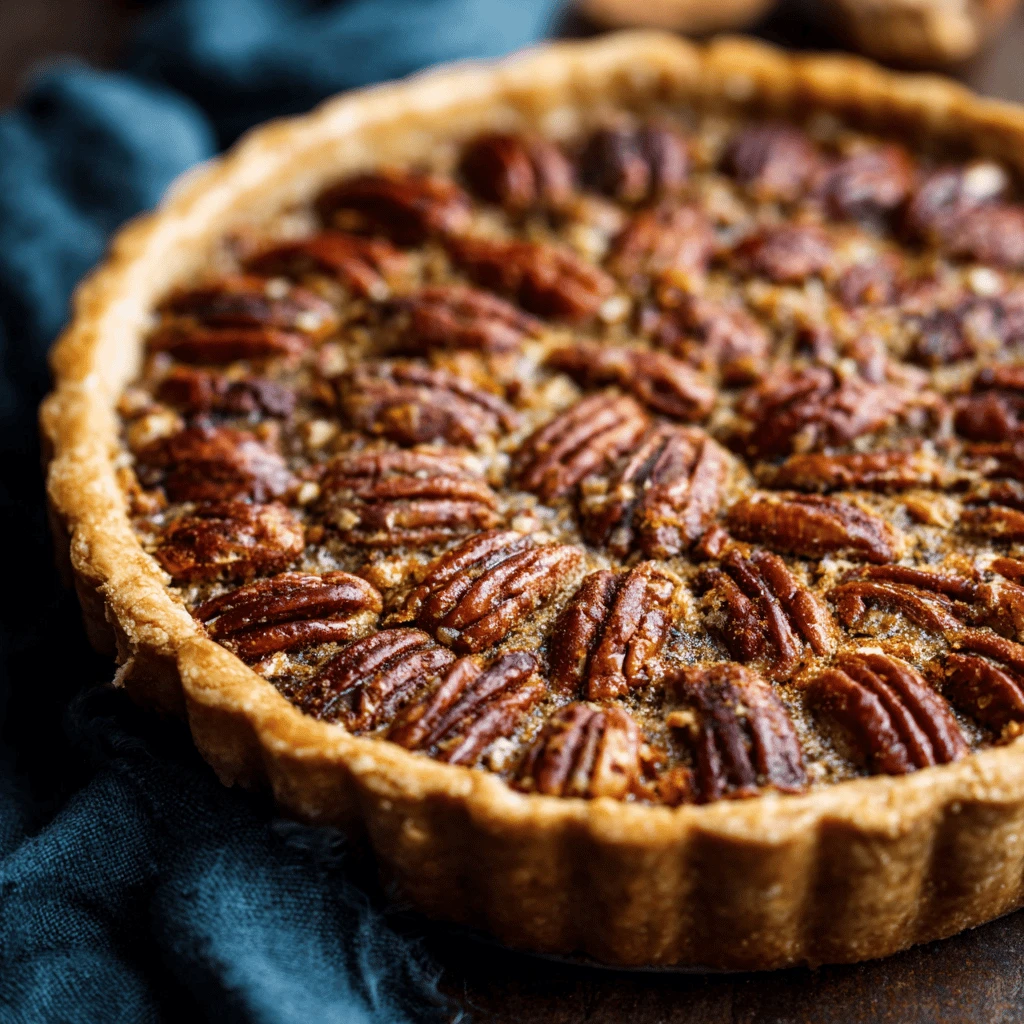
Pecan pie. Just the name evokes images of cozy gatherings, crackling fireplaces, and the rich, buttery aroma wafting through a Thanksgiving-decorated home. But what makes this particular dessert so undeniably Thanksgiving? This article delves into the history, variations, baking tips, and everything you need to know to make your pecan pie the star of the dessert table this holiday season.

A History Baked in Tradition
While the pecan itself is native to North America, pecan pie is a relatively recent invention. Its origins can be traced back to the late 19th century, likely in the Southern United States, where pecans were plentiful. Before then, ingredients like sorghum and cane syrup were used to create sweet fillings, however once corn syrup became readily available, it quickly became the foundation for what is now, the quintessential pecan pie.
The first printed recipe for pecan pie appeared in a cookbook in 1886, and it gradually gained popularity throughout the early 20th century, cementing its place as a Southern staple and, ultimately, a Thanksgiving tradition.
Mastering the Classic Recipe: Ingredients and Techniques
The basic pecan pie recipe is deceptively simple, but mastering it requires attention to detail. The key ingredients are:
- Pecans: Of course! Use high-quality, fresh pecans for the best flavor. You can use halves or pieces, depending on your preference.
- Pie Crust: Homemade or store-bought, a flaky, buttery crust is crucial.
- Corn Syrup: Light or dark corn syrup adds sweetness and contributes to the pie’s signature texture. Many modern recipes are starting to incorporate healthier alternatives.
- Butter: Unsalted butter provides richness and flavor.
- Eggs: Eggs bind the filling and give it structure.
- Sugar: Granulated sugar adds sweetness and balances the corn syrup.
- Vanilla Extract: Enhances the overall flavor.
- Salt: A pinch of salt balances the sweetness.
Techniques for Pie Perfection:
- Blind Baking: Pre-baking the crust (blind baking) prevents it from becoming soggy. Use pie weights or dried beans to weigh it down during baking.
- Toasting Pecans: Toasting the pecans before adding them to the filling intensifies their flavor.
- Gentle Mixing: Avoid overmixing the filling, which can lead to a tough pie.
- Doneness Test: The pie is done when the filling is set around the edges but still slightly jiggly in the center. It will continue to set as it cools.
- Cooling Time: Allow the pie to cool completely before slicing. This allows the filling to fully set and prevents a runny mess.
Variations and Twists on a Beloved Classic
While the classic pecan pie is a masterpiece in itself, there’s plenty of room for experimentation. Here are some popular variations:
- Chocolate Pecan Pie: Add chocolate chips or cocoa powder to the filling for a decadent twist.
- Bourbon Pecan Pie: A splash of bourbon enhances the flavor and adds a warm, boozy note.
- Salted Caramel Pecan Pie: Incorporate salted caramel into the filling or drizzle it over the finished pie.
- Maple Pecan Pie: Substitute maple syrup for corn syrup for a richer, more complex flavor.
- Spiced Pecan Pie: Add spices like cinnamon, nutmeg, or allspice to the filling for a festive touch.
- Pecan Pie Bars: Create individual pecan pie bars for easy serving.
Alternative Crusts:
- Gingersnap Crust: A gingersnap crust adds a spicy and aromatic element.
- Oatmeal Crust: An oatmeal crust provides a hearty and wholesome alternative.
- Graham Cracker Crust: A graham cracker crust offers a subtly sweet and crumbly texture.
Troubleshooting Common Pecan Pie Problems
Even the most experienced bakers can encounter challenges when making pecan pie. Here are some common issues and how to solve them:
- Soggy Crust: Blind bake the crust and make sure the filling is not too wet.
- Runny Filling: Ensure the pie is baked long enough and allowed to cool completely.
- Burnt Crust: Use a pie shield or aluminum foil to protect the edges of the crust during baking.
- Tough Filling: Avoid overmixing the filling and use high-quality ingredients.
- Pecans Sinking to the Bottom: Toss the pecans in a tablespoon of flour before adding them to the filling to help them stay suspended.
- Pie Cracking: This can happen when the pie cools too quickly. Let it cool gradually at room temperature.
Serving and Storage Suggestions
Pecan pie is best served at room temperature, but a slight chill can also be enjoyable.

Serving Suggestions:
- Whipped Cream: A dollop of freshly whipped cream complements the richness of the pie.
- Vanilla Ice Cream: A scoop of vanilla ice cream is a classic pairing.
- Caramel Sauce: A drizzle of caramel sauce adds extra sweetness and flavor.
- Crème Fraîche: For a tangy contrast, serve with crème fraîche.
Storage:
- Pecan pie can be stored at room temperature for up to 2 days or in the refrigerator for up to 4 days.
- To freeze pecan pie, wrap it tightly in plastic wrap and then in aluminum foil. It can be frozen for up to 2 months. Thaw in the refrigerator overnight before serving.
Frequently Asked Questions
-
- Why is my pecan pie runny?
A runny pecan pie is usually caused by underbaking or not allowing it to cool completely. Make sure the filling is set around the edges but still slightly jiggly in the center when you take it out of the oven. Cooling is crucial for the filling to fully set.
-
- How do you keep pecans from sinking in pecan pie?
Tossing the pecans with a tablespoon of flour before adding them to the filling can help prevent them from sinking to the bottom. This gives them a little extra grip within the filling.
-
- Should pecan pie be refrigerated?
Pecan pie can be stored at room temperature for up to 2 days, but for longer storage, it's best to refrigerate it. Refrigeration will help prevent spoilage.
-
- How do you know when pecan pie is done?
The pie is done when the edges of the filling are set and the center is still slightly jiggly. A toothpick inserted near the center should come out with a few moist crumbs attached. The internal temperature should reach around 200°F (93°C).
-
- What is the best way to reheat pecan pie?
You can reheat pecan pie in a preheated oven at 350°F (175°C) for about 10-15 minutes, or until warmed through. You can also microwave individual slices for a shorter amount of time, but be careful not to overheat them.