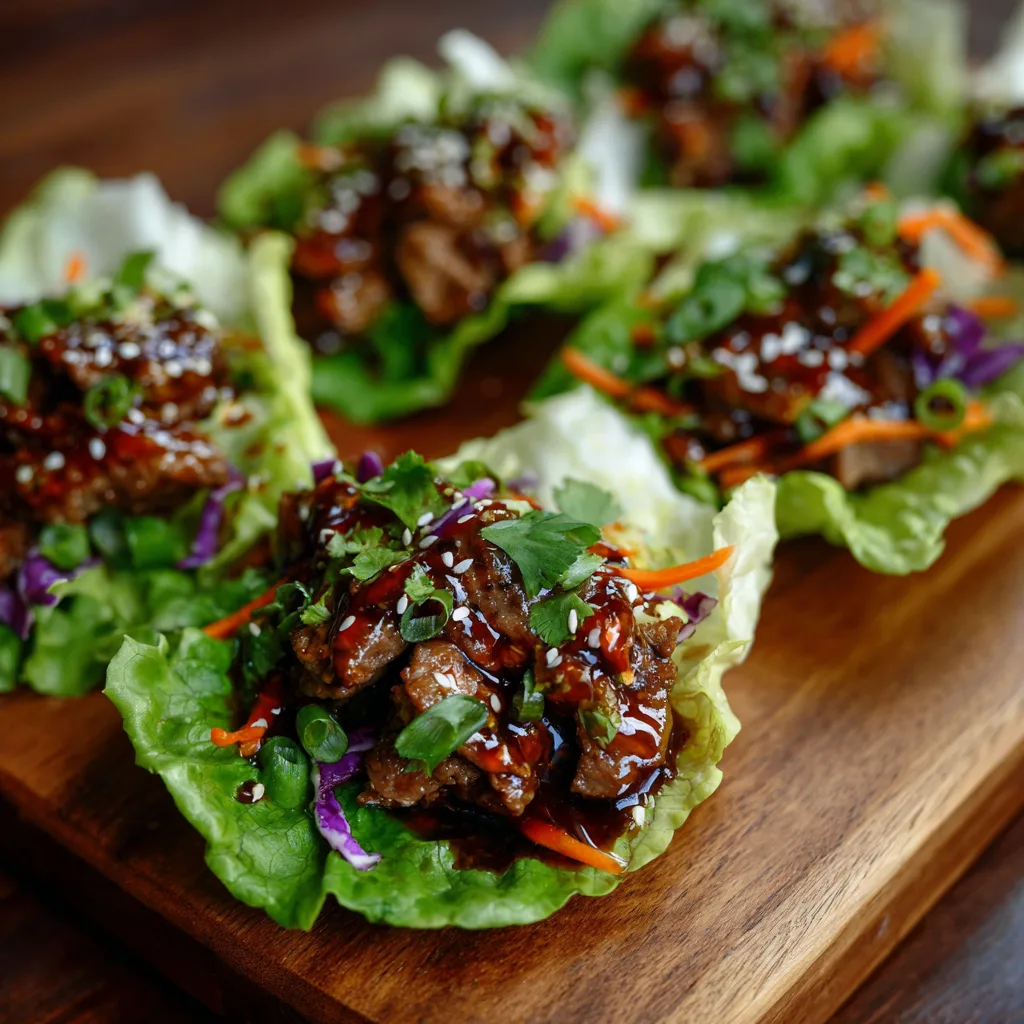
Quick Beef Lettuce Wraps
Beef lettuce wraps are a light, flavorful, and customizable meal perfect for a quick lunch, satisfying dinner, or even a crowd-pleasing appetizer. This recipe focuses on delivering incredible taste and textural contrast in minimal time, using readily available ingredients and simple cooking techniques. Whether you’re following a low-carb diet, seeking a healthy alternative to takeout, or simply craving a delicious and easy-to-make dish, these quick beef lettuce wraps are sure to become a new favorite.
The Secret to Speedy Success: Lean Beef and Smart Prep
The key to keeping these lettuce wraps truly “quick” lies in choosing the right cut of beef and optimizing your preparation.
Selecting Your Beef
Lean ground beef is the ideal choice for its speed and convenience. Opt for at least 90% lean to minimize excess grease. Alternatively, you can use ground turkey or chicken for a lighter variation. For a more robust flavor and slightly longer cooking time, thinly sliced flank steak or sirloin can be stir-fried and added to the mix. Remember to slice the beef against the grain for maximum tenderness.
Mastering Mise en Place
Mise en place, French for “everything in its place,” is crucial for efficient cooking. Before you even turn on the stove, chop your vegetables, measure your sauces, and have all your ingredients within easy reach. This simple step dramatically streamlines the cooking process. Consider prepping the ingredients the night before for even faster assembly the next day. Common vegetables to prep include:
- Onions: Finely diced for even cooking.
- Garlic: Minced for maximum flavor release.
- Ginger: Grated for a warm, aromatic touch.
- Bell Peppers: Diced for color and crunch.
- Water Chestnuts: Sliced for added texture.
- Carrots: Shredded or finely diced for sweetness and visual appeal.
- Scallions: Sliced for garnish and fresh flavor.
Crafting the Flavor Foundation: The Sauce is the Soul
The sauce is what truly elevates these lettuce wraps from simple ground beef to an explosion of Asian-inspired flavors. A well-balanced sauce should be savory, sweet, slightly spicy, and umami-rich.
Building Blocks of a Great Sauce
A typical base for lettuce wrap sauce includes soy sauce for saltiness and depth, hoisin sauce for sweetness and richness, and rice vinegar for a touch of acidity. To build upon this foundation, consider these additions:
- Soy Sauce: Use low-sodium soy sauce to control the salt level. Tamari is a gluten-free alternative.
- Hoisin Sauce: A thick, sweet, and savory sauce made from fermented soybeans.
- Rice Vinegar: Adds a subtle tang that balances the sweetness of the hoisin sauce.
- Sesame Oil: A few drops go a long way in adding a nutty aroma and flavor.
- Ginger: Freshly grated ginger provides warmth and spiciness.
- Garlic: Minced garlic adds pungent, savory notes.
- Chili Garlic Sauce: For those who enjoy a kick, chili garlic sauce adds heat and flavor. Adjust the amount to your spice preference. Sriracha can be substituted.
- Brown Sugar (Optional): If you prefer a sweeter sauce, add a touch of brown sugar or honey.
- Cornstarch (Optional): A small amount of cornstarch can be used to thicken the sauce slightly.
Assembling the Perfect Sauce
Combine all the sauce ingredients in a small bowl and whisk until well combined. Taste and adjust the seasonings as needed. Remember that the sauce will intensify in flavor as it cooks with the beef. Start with less and add more to your liking. A good starting ratio is typically 2 tablespoons soy sauce, 2 tablespoons hoisin sauce, 1 tablespoon rice vinegar, 1 teaspoon sesame oil, 1 teaspoon grated ginger, 1 clove minced garlic, and ½ teaspoon chili garlic sauce.
Cooking the Beef: From Sizzle to Satisfaction
Cooking the beef properly is essential for achieving the right texture and flavor. Follow these steps for perfectly cooked ground beef every time.
Browning the Beef
Heat a large skillet or wok over medium-high heat. Add the ground beef and break it up with a spatula. Cook, stirring occasionally, until the beef is browned and cooked through. Drain off any excess grease.
Incorporating the Aromatics and Vegetables
Add the diced onions, minced garlic, and grated ginger to the skillet with the browned beef. Cook for a few minutes, until the onions are softened and fragrant. Add the remaining vegetables, such as diced bell peppers, sliced water chestnuts, and shredded carrots. Cook for another few minutes, until the vegetables are tender-crisp.
Simmering in Flavor
Pour the prepared sauce over the beef and vegetable mixture. Stir well to combine and bring to a simmer. Cook for a few minutes, allowing the sauce to thicken slightly and the flavors to meld together. Taste and adjust the seasonings as needed. If the sauce is too thick, add a tablespoon or two of water. If it’s too thin, simmer for a few more minutes to reduce.
Serving and Customization: From Plate to Palate
The final step is assembling the lettuce wraps and adding your favorite toppings. This is where you can get creative and customize the dish to your liking.
Choosing Your Lettuce
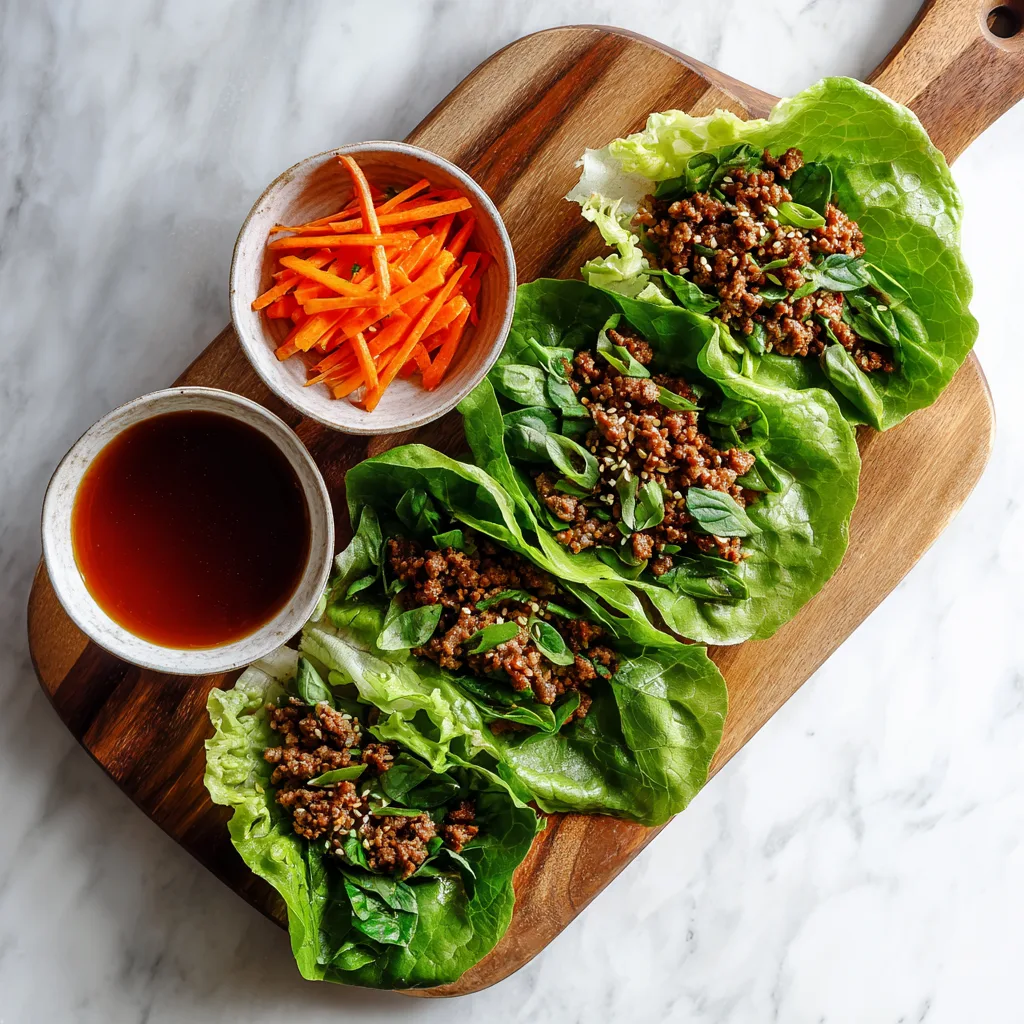
The ideal lettuce for lettuce wraps is crisp and sturdy, providing a good vessel for holding the filling. Butter lettuce (also known as Boston or Bibb lettuce) is a popular choice for its soft, pliable leaves that easily form cups. Iceberg lettuce is another option, offering a crispier texture and a more robust cup. Romaine lettuce hearts can also be used, although they may require a bit more trimming.
Assembling the Lettuce Wraps
Carefully separate the lettuce leaves from the head, keeping them intact as much as possible. Rinse and dry the leaves thoroughly. Spoon the beef and vegetable mixture into the lettuce cups.
Topping It Off
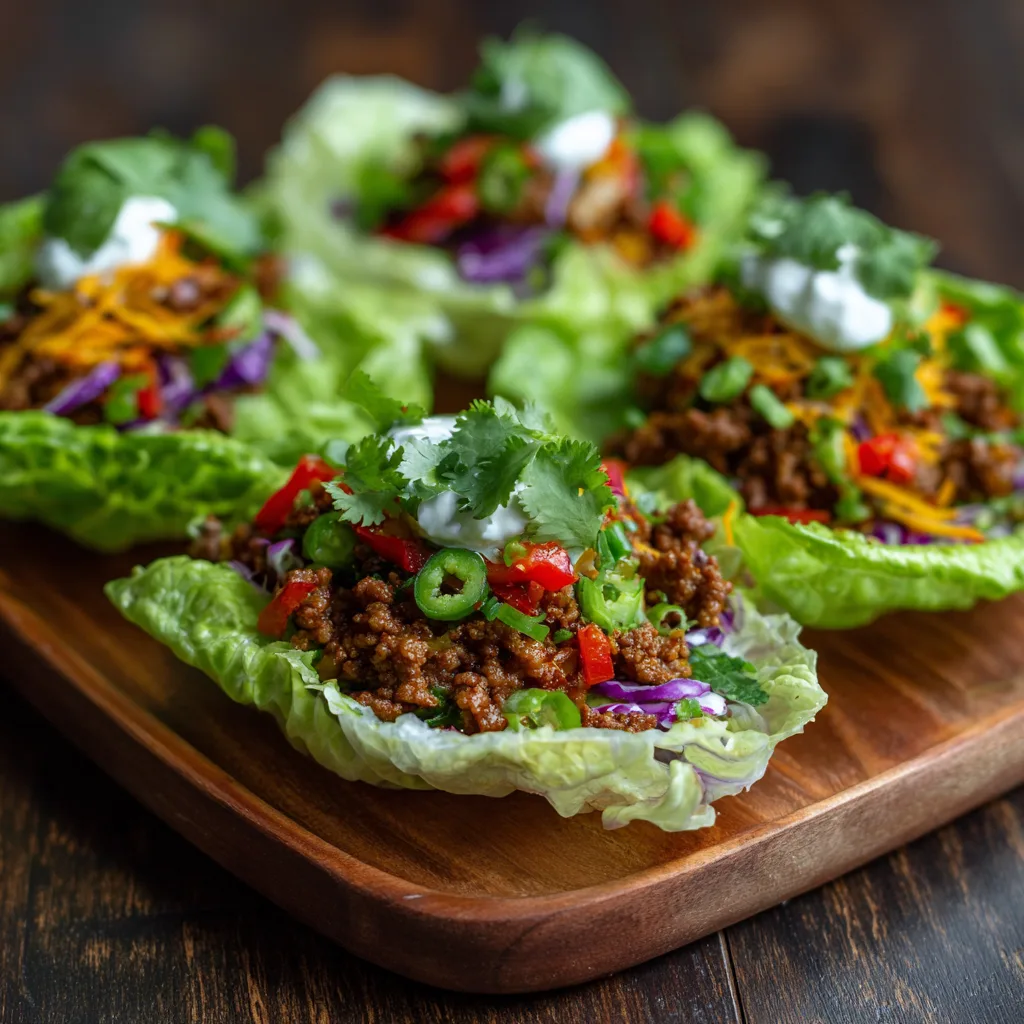
Garnish your lettuce wraps with your favorite toppings. Some popular choices include:
- Chopped Peanuts or Cashews: Add crunch and nutty flavor.
- Sesame Seeds: Provide a subtle nutty flavor and visual appeal.
- Sliced Scallions: Add a fresh, oniony bite.
- Shredded Carrots: Enhance the color and texture.
- Cilantro: Adds a fresh, herbaceous note.
- Sriracha or Chili Garlic Sauce: For extra heat.
- Hoisin Sauce: For added sweetness and richness.
- Lime Wedges: A squeeze of fresh lime juice brightens the flavors.
Making it a Meal
Serve the lettuce wraps immediately while the beef mixture is warm and the lettuce is crisp. Consider offering a variety of toppings so that everyone can customize their own wraps. Lettuce wraps can be served as an appetizer, a light lunch, or a satisfying dinner. For a more substantial meal, serve them with a side of rice or noodles.
Frequently Asked Questions
Q: Can I make these lettuce wraps ahead of time?
A: You can prepare the beef and vegetable mixture ahead of time and store it in the refrigerator for up to 3 days. Reheat before serving. However, it’s best to assemble the lettuce wraps just before serving to prevent the lettuce from wilting.
Q: Can I use a different type of meat?
A: Yes, ground turkey, ground chicken, or even finely diced tofu can be used as substitutes for ground beef. Adjust the cooking time as needed.
Q: Can I add other vegetables?
A: Absolutely! Feel free to add any vegetables you enjoy, such as mushrooms, bean sprouts, or edamame.
Q: How can I make these lettuce wraps spicier?
A: Add more chili garlic sauce, sriracha, or a pinch of red pepper flakes to the sauce.
Q: Are these lettuce wraps gluten-free?
A: To make these lettuce wraps gluten-free, use tamari instead of soy sauce and ensure that your hoisin sauce is gluten-free.
Q: Can I freeze the beef mixture?
A: Yes, you can freeze the beef mixture for up to 2 months. Thaw overnight in the refrigerator before reheating.
Q: What kind of lettuce is best for lettuce wraps?
A: Butter lettuce (also known as Boston or Bibb lettuce) is a popular choice for its soft, pliable leaves. Iceberg lettuce is another option for a crispier texture.
Q: How do I prevent the lettuce from tearing when assembling the wraps?
A: Choose fresh, sturdy lettuce leaves. Gently separate the leaves from the head and avoid overfilling the wraps.