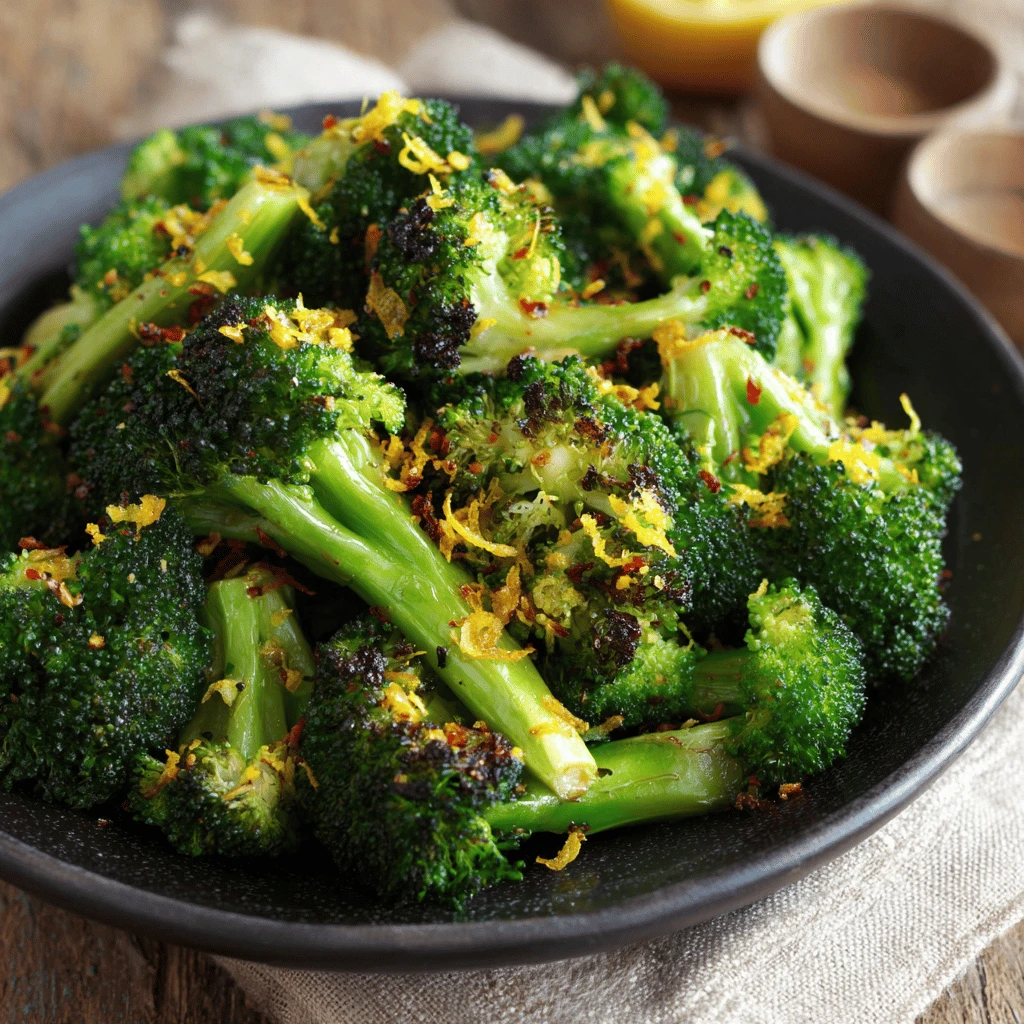
Roasted Broccoli with Lemon Zest
Roasted broccoli is a weeknight staple for good reason: it’s quick, easy, and incredibly delicious. Adding lemon zest elevates this simple side dish, creating a bright and flavorful experience that complements any meal. This guide will provide you with everything you need to roast the perfect broccoli, every single time.
Mastering the Art of Roasting Broccoli
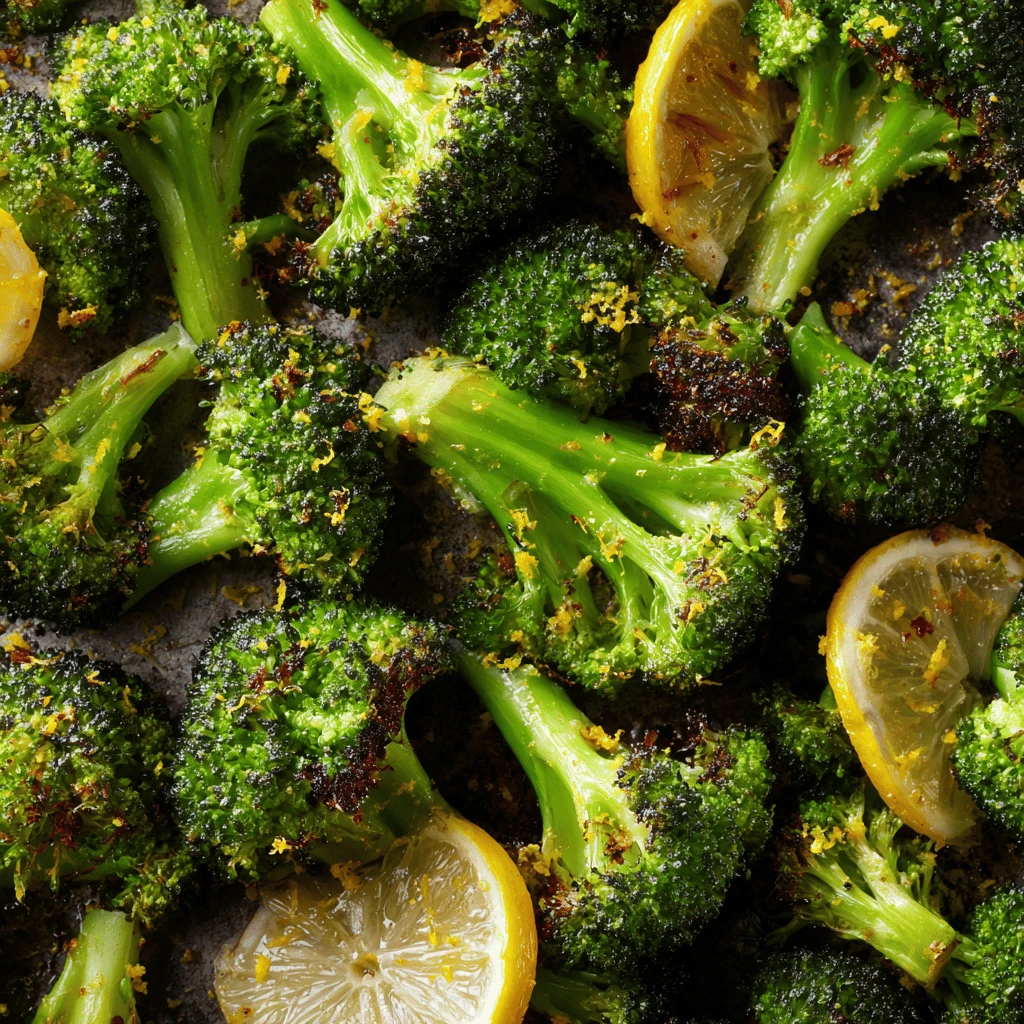
Roasting transforms broccoli from a sometimes-maligned vegetable into a crispy, slightly caramelized delight. The high heat brings out its natural sweetness and provides a satisfying textural contrast. To achieve perfectly roasted broccoli, understanding a few key principles is essential.
Selecting the Right Broccoli
Start with fresh, firm broccoli florets. Look for heads that are a deep green color with tightly closed florets. Avoid broccoli that shows signs of yellowing or wilting, as these indicate age and a loss of freshness. If you’re using frozen broccoli, thaw it completely and pat it dry before roasting to prevent steaming.
The Importance of Even Sizing
Uniformly sized florets are crucial for even cooking. Cut the broccoli into pieces that are roughly the same size, about 1-2 inches across. This ensures that all the florets cook at the same rate, preventing some from being undercooked while others are burnt. Larger, thicker stalks can be peeled and chopped into smaller pieces for even cooking.
Getting the Right Temperature
Temperature is key to achieving that desirable crispness. Preheat your oven to a high temperature, ideally between 400°F (200°C) and 425°F (220°C). This high heat will quickly evaporate any moisture, allowing the broccoli to roast instead of steam. A preheated oven is non-negotiable; don’t skip this step!
Don’t Overcrowd the Pan
Spreading the broccoli florets in a single layer on the baking sheet is vital. Overcrowding the pan will cause the broccoli to steam instead of roast, resulting in a soggy texture. If necessary, use two baking sheets to ensure adequate space between the florets. The air needs to circulate around each piece of broccoli for optimal roasting.
The Role of Oil and Seasoning
A good quality olive oil is the ideal choice for roasting broccoli. It has a high smoke point and adds a subtle, pleasant flavor. Toss the broccoli florets with enough oil to coat them lightly but not so much that they are swimming in it. Season generously with salt, pepper, and any other spices you enjoy. Garlic powder, onion powder, or red pepper flakes are all excellent additions.
The Lemon Zest Advantage
Lemon zest is the secret ingredient that elevates roasted broccoli from good to extraordinary. The bright, citrusy notes of lemon beautifully complement the earthy flavor of the broccoli, creating a harmonious and refreshing combination.
Choosing Your Lemons
Opt for organic lemons whenever possible, especially when using the zest. Organic lemons are less likely to be treated with pesticides or waxes. Look for lemons that are firm and have a vibrant yellow color. Avoid lemons that are soft, wrinkled, or have blemishes.
How to Zest a Lemon Properly
Use a microplane or a fine grater to zest the lemon. Only zest the outer yellow layer of the peel, avoiding the white pith underneath, which is bitter. Rotate the lemon as you zest to ensure you are only removing the yellow part. A little zest goes a long way, so start with one lemon and add more to taste.
When to Add the Lemon Zest
There are two main approaches to adding lemon zest to roasted broccoli: before roasting and after roasting. Adding the zest before roasting allows the lemon flavor to infuse into the broccoli as it cooks, creating a more subtle and integrated taste. Adding the zest after roasting preserves the bright, fresh flavor of the lemon and provides a more pronounced citrusy kick. Experiment with both methods to see which you prefer.
Other Citrus Considerations
While lemon zest is the star of the show, a squeeze of fresh lemon juice after roasting can further enhance the flavor. The acidity of the lemon juice brightens the dish and adds another layer of complexity. Consider adding a pinch of red pepper flakes for a touch of heat to balance the acidity and sweetness.
Adding Flavor to Your Roasted Broccoli
While lemon zest is a fantastic addition, there are countless other ways to customize your roasted broccoli and create unique flavor profiles. Don’t be afraid to experiment with different herbs, spices, and toppings to find your favorite combinations.
Garlic Infusion
Garlic and broccoli are a classic pairing. You can add minced garlic to the broccoli along with the oil and seasonings before roasting. Alternatively, you can add roasted garlic cloves to the broccoli after it comes out of the oven. Roasting the garlic mellows its flavor and adds a touch of sweetness.
Spice It Up
A pinch of red pepper flakes adds a pleasant warmth to roasted broccoli. Other spices that complement broccoli well include smoked paprika, cumin, and coriander. Experiment with different spice blends to create your own signature flavor.
Parmesan Cheese
A sprinkle of grated Parmesan cheese adds a salty, savory element to roasted broccoli. Add the Parmesan cheese during the last few minutes of roasting so it melts and becomes slightly crispy. Pecorino Romano or Asiago cheese can also be used.
Nuts and Seeds
Toasted nuts and seeds add a satisfying crunch and nutty flavor to roasted broccoli. Pine nuts, slivered almonds, or pumpkin seeds are all excellent choices. Toast the nuts or seeds in a dry pan before adding them to the broccoli for enhanced flavor.
Balsamic Glaze
A drizzle of balsamic glaze adds a touch of sweetness and acidity to roasted broccoli. The glaze pairs especially well with Parmesan cheese and toasted nuts. Use a high-quality balsamic glaze for the best flavor.
Serving and Storing Roasted Broccoli
Roasted broccoli is best served immediately after cooking, while it is still crispy and warm. However, it can also be stored in the refrigerator for several days and reheated.
Reheating Techniques
To reheat roasted broccoli, spread it out on a baking sheet and bake at 350°F (175°C) for about 5-10 minutes, or until heated through. You can also reheat it in a skillet over medium heat. Avoid microwaving roasted broccoli, as it will become soggy.
Pairing Suggestions
Roasted broccoli with lemon zest is a versatile side dish that pairs well with a wide variety of main courses. It is particularly delicious with grilled chicken, roasted fish, steak, or pasta dishes. It also makes a great addition to grain bowls and salads.
Creative Uses for Leftovers
Leftover roasted broccoli can be used in a variety of creative ways. Add it to omelets or frittatas, use it as a topping for pizza, or blend it into a creamy soup. You can also chop it up and add it to salads or grain bowls.
Storage Guidelines
Store leftover roasted broccoli in an airtight container in the refrigerator for up to 3-4 days. Ensure the broccoli is completely cooled before storing it to prevent it from becoming soggy.
The Perfect Recipe: Roasted Broccoli with Lemon Zest
This recipe provides a simple and reliable method for roasting broccoli to perfection. Feel free to customize it with your favorite seasonings and toppings.
Ingredients:
- 1 large head of broccoli, cut into florets
- 2 tablespoons olive oil
- 1 lemon, zested and juiced
- 2 cloves garlic, minced (optional)
- Salt and freshly ground black pepper to taste
- Pinch of red pepper flakes (optional)
- Grated Parmesan cheese (optional)
Instructions:
1. Preheat oven to 425°F (220°C).
2. In a large bowl, toss broccoli florets with olive oil, lemon zest, minced garlic (if using), salt, pepper, and red pepper flakes (if using).
3. Spread broccoli in a single layer on a baking sheet.
4. Roast for 15-20 minutes, or until broccoli is tender-crisp and slightly caramelized, flipping halfway through.
5. Remove from oven and drizzle with lemon juice.
6. Sprinkle with grated Parmesan cheese (if using).
7. Serve immediately.
Frequently Asked Questions (FAQ)
Q: How do I prevent my roasted broccoli from getting soggy?
A: Avoid overcrowding the baking sheet. Spread the broccoli florets in a single layer to allow for proper air circulation. Make sure to use high heat (400-425°F) and don’t add too much oil. Thawing and drying frozen broccoli is also key to preventing excess moisture.
Q: Can I use frozen broccoli for roasting?
A: Yes, but it is essential to thaw the frozen broccoli completely and pat it dry before roasting. Frozen broccoli tends to release more moisture than fresh broccoli, so removing excess water is crucial for achieving a crispy texture.
Q: How long does roasted broccoli last in the refrigerator?
A: Roasted broccoli can be stored in an airtight container in the refrigerator for up to 3-4 days. Reheat it in the oven or a skillet to maintain its crispness.
Q: What other seasonings can I use besides lemon zest?
A: Roasted broccoli is delicious with a variety of seasonings. Consider adding garlic powder, onion powder, smoked paprika, cumin, coriander, or red pepper flakes. Experiment with different spice blends to find your favorite combinations.
Q: Can I roast the broccoli stalks as well?
A: Absolutely! The stalks are perfectly edible and nutritious. Peel the tough outer layer of the stalks and chop them into smaller pieces that are similar in size to the florets. Roast them along with the florets for a more sustainable and flavorful dish.