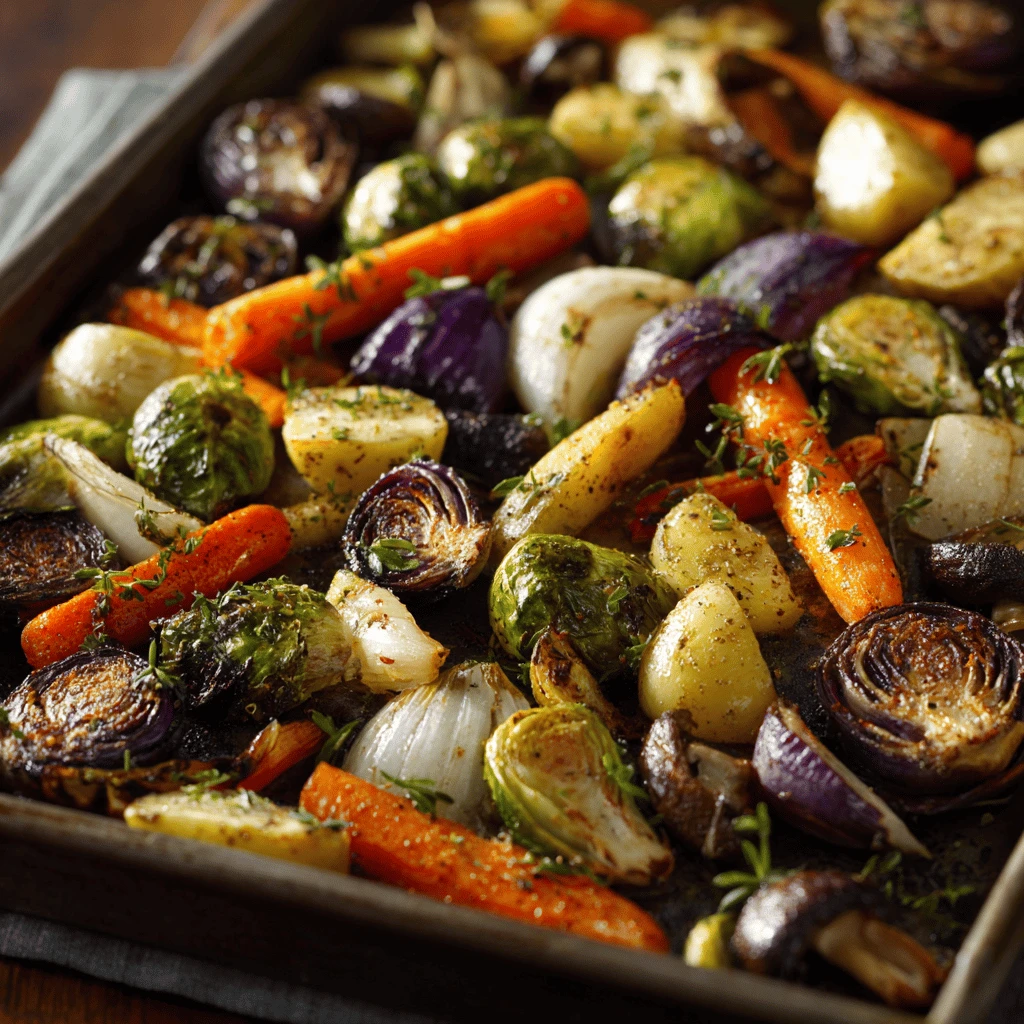
Roasted Vegetable Medley for Thanksgiving Dinner
Thanksgiving dinner is a celebration of abundance, a feast that brings together family and friends. While the turkey often steals the spotlight, a vibrant and flavorful roasted vegetable medley can be a standout side dish, complementing the richness of the main course with fresh, seasonal flavors. This article will guide you through creating the perfect roasted vegetable medley for your Thanksgiving table, from selecting the best vegetables to mastering the roasting technique and adding delicious finishing touches.
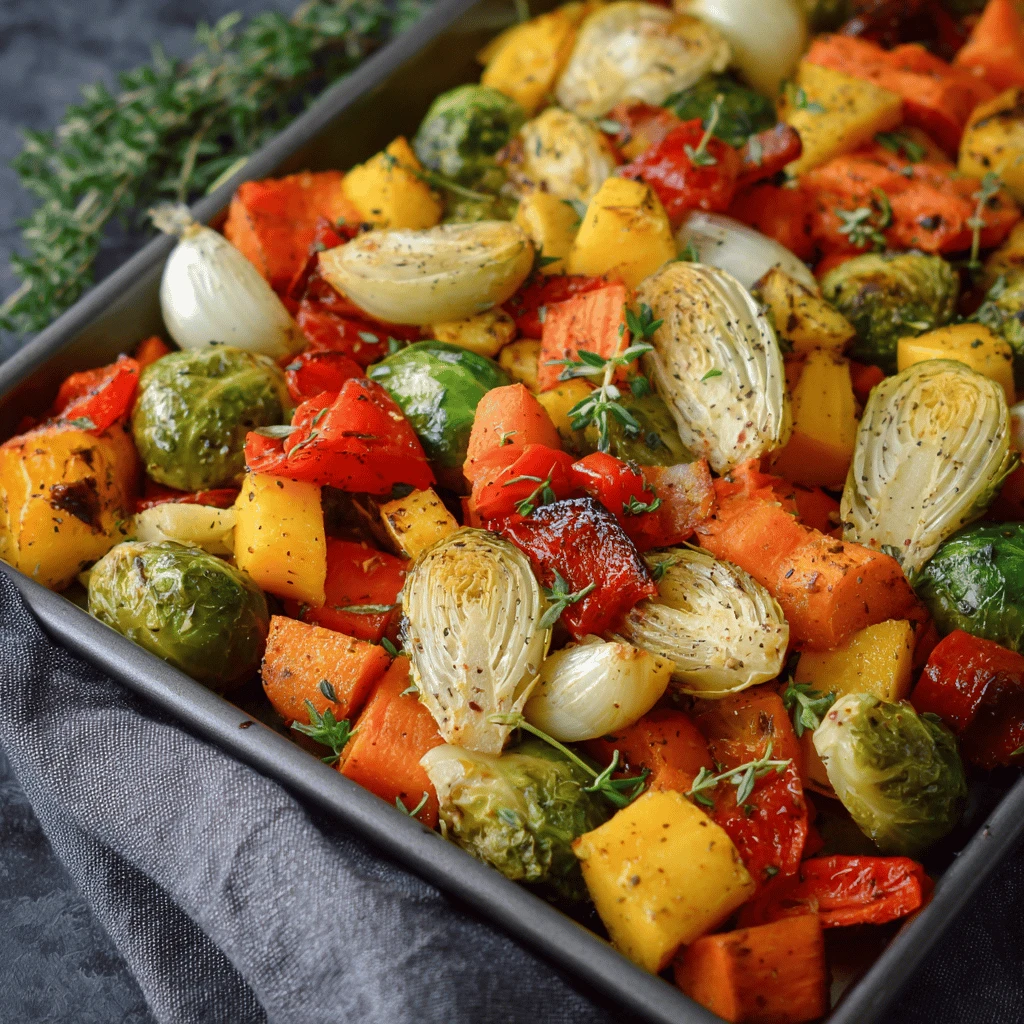
Choosing the Right Vegetables
The key to a successful roasted vegetable medley lies in selecting a variety of vegetables that offer different textures, colors, and flavors. Opt for seasonal produce that is at its peak during the fall months for the best taste and quality.
Root Vegetables: These form the foundation of your medley, providing earthy sweetness and satisfying heartiness. Consider including:
- Carrots: Choose vibrant orange carrots, cut into uniform sizes for even cooking.
- Sweet Potatoes: These add a touch of sweetness and a creamy texture. Opt for varieties like Garnet or Jewel.
- Potatoes: Yukon Gold potatoes are a great choice for roasting, offering a buttery flavor and crisp exterior.
- Parsnips: With their subtle anise flavor, parsnips add a unique depth to the medley.
- Beets: For a burst of color and earthy sweetness, include red or golden beets. Roast them separately to prevent staining other vegetables.
Cruciferous Vegetables: These vegetables bring a slightly bitter, nutty flavor that balances the sweetness of the root vegetables.
- Brussels Sprouts: Choose firm, bright green Brussels sprouts and halve or quarter them depending on their size.
- Broccoli: Broccoli florets add a fresh, slightly peppery flavor and a pleasing crunch.
- Cauliflower: Cauliflower roasts beautifully, developing a slightly sweet and nutty flavor.
Other Vegetables: These can add unique flavors and textures to your medley.
- Onions: Red onions or yellow onions add a savory depth and caramelized sweetness.
- Garlic: Whole garlic cloves roasted alongside the vegetables infuse the entire medley with a fragrant aroma.
- Butternut Squash or Acorn Squash: These winter squashes add a sweet and creamy element.
Tips for Choosing Vegetables:
- Freshness: Select firm, unblemished vegetables for the best flavor and texture.
- Variety: Aim for a mix of colors and textures to create a visually appealing and flavorful medley.
- Seasonality: Choose vegetables that are in season for the best taste and quality.
- Size: Cut vegetables into uniform sizes to ensure even cooking. Vegetables that require longer roasting times (like potatoes and carrots) should be cut slightly smaller than those that cook faster (like broccoli and Brussels sprouts).
Preparing the Vegetables
Proper preparation is crucial for achieving perfectly roasted vegetables. Here’s a step-by-step guide:
1. Wash and Dry: Thoroughly wash all vegetables under cold water to remove any dirt or debris. Pat them dry with paper towels. Excess moisture can prevent the vegetables from browning properly.
2. Cut into Uniform Pieces: Cut the vegetables into roughly equal sizes, about 1-inch to 1.5-inch pieces. This ensures that they cook evenly. Root vegetables like potatoes and carrots may need to be cut slightly smaller than softer vegetables like broccoli.
3. Peeling: Peel root vegetables like carrots, parsnips, and sweet potatoes. Beets can be roasted with or without their skins; if roasting with skins, scrub them thoroughly.
4. Tossing with Oil and Seasonings: Place the cut vegetables in a large bowl and toss them with a generous amount of olive oil. Use enough oil to coat all the vegetables evenly, about 2-3 tablespoons per pound of vegetables. Season generously with salt, black pepper, and any other desired herbs or spices.
Flavor Enhancers:
- Fresh Herbs: Rosemary, thyme, and sage add a fragrant and earthy aroma. Toss them with the vegetables before roasting or sprinkle them on during the last few minutes of cooking.
- Garlic: Whole garlic cloves roasted with the vegetables become sweet and mellow.
- Balsamic Vinegar: A drizzle of balsamic vinegar after roasting adds a touch of tanginess and sweetness.
- Maple Syrup: A touch of maple syrup can enhance the sweetness of the root vegetables.
- Red Pepper Flakes: For a touch of heat, add a pinch of red pepper flakes to the vegetables before roasting.
- Lemon Juice: A squeeze of fresh lemon juice after roasting brightens the flavors and adds a zesty touch.
Roasting to Perfection
Roasting is the key to transforming simple vegetables into a flavorful and caramelized side dish. Here’s how to master the roasting technique:
1. Preheat the Oven: Preheat your oven to 400°F (200°C). A high temperature is essential for achieving proper browning and caramelization.
2. Spread in a Single Layer: Spread the vegetables in a single layer on a large baking sheet or two baking sheets if necessary. Avoid overcrowding the pan, as this will steam the vegetables instead of roasting them. If you are using parchment paper, make sure it is rated for temperatures above 400°F.
3. Roasting Time: Roast the vegetables for 30-45 minutes, or until they are tender and slightly caramelized. The exact roasting time will depend on the size and type of vegetables used.
4. Tossing: Toss the vegetables halfway through the roasting time to ensure even browning.
5. Checking for Doneness: The vegetables are done when they are easily pierced with a fork and have a slightly caramelized appearance.
Tips for Perfect Roasting:
- Don’t Overcrowd the Pan: Overcrowding the pan will steam the vegetables instead of roasting them, resulting in soggy vegetables.
- Use High Heat: A high oven temperature is essential for achieving proper browning and caramelization.
- Don’t Overcook: Overcooked vegetables will become mushy. Check for doneness regularly.
- Rotate Baking Sheets: If using two baking sheets, rotate them halfway through the roasting time to ensure even cooking.
- Season Generously: Generous seasoning is key to bringing out the natural flavors of the vegetables.
Variations and Additions
Once you’ve mastered the basic roasted vegetable medley, you can experiment with different variations and additions to customize it to your liking.
Cheese:
- Feta Cheese: Crumbled feta cheese adds a salty and tangy flavor.
- Goat Cheese: Crumbled goat cheese adds a creamy and tangy flavor.
- Parmesan Cheese: Grated Parmesan cheese adds a savory and nutty flavor.
Nuts and Seeds:
- Pecans: Toasted pecans add a crunchy texture and nutty flavor.
- Walnuts: Toasted walnuts add a slightly bitter and earthy flavor.
- Pumpkin Seeds (Pepitas): Roasted pumpkin seeds add a crunchy texture and nutty flavor.
Dried Fruit:
- Cranberries: Dried cranberries add a sweet and tart flavor.
- Raisins: Golden raisins add a sweet and chewy texture.
- Apricots: Dried apricots add a sweet and tangy flavor.
Fresh Herbs:
- Parsley: Chopped fresh parsley adds a fresh and vibrant flavor.
- Chives: Chopped fresh chives add a mild onion flavor.
Other Additions:
- Bacon: Cooked and crumbled bacon adds a smoky and savory flavor.
- Sausage: Cooked and crumbled sausage adds a meaty and savory flavor.
Tips for Variations:
- Consider the Flavors: Choose additions that complement the flavors of the vegetables.
- Add Textural Contrast: Additions like nuts and seeds can provide a pleasing textural contrast.
- Keep it Balanced: Don’t overload the medley with too many additions.
Serving and Storage
Once the vegetables are roasted to perfection, it’s time to serve and enjoy!
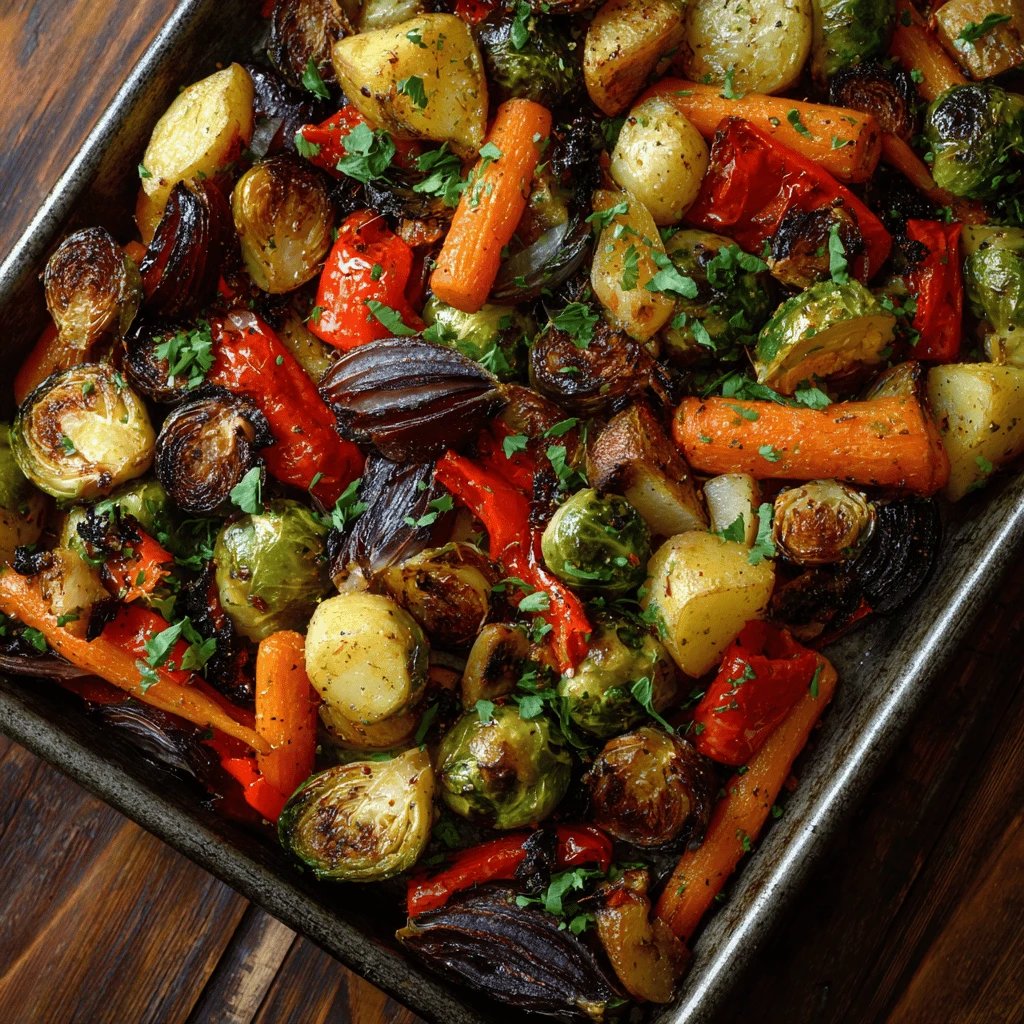
Serving Suggestions:
- As a Side Dish: Serve the roasted vegetable medley as a side dish alongside your Thanksgiving turkey or other main course.
- As a Vegetarian Main Course: Add protein like chickpeas or lentils to the medley to create a hearty vegetarian main course.
- In Salads: Use the roasted vegetables as a topping for salads.
- In Grain Bowls: Add the roasted vegetables to grain bowls with quinoa, rice, or farro.
- In Omelets or Frittatas: Incorporate leftover roasted vegetables into omelets or frittatas.
Storage:
- Refrigerate: Store leftover roasted vegetables in an airtight container in the refrigerator for up to 3-4 days.
- Reheating: Reheat the roasted vegetables in the oven at 350°F (175°C) or in a skillet over medium heat until warmed through. You can also microwave them, but they may become slightly softer.
- Freezing: Roasted vegetables can be frozen, but their texture may change slightly upon thawing. To freeze, spread the cooled vegetables in a single layer on a baking sheet and freeze until solid. Then, transfer them to a freezer-safe bag or container.
FAQ: Roasted Vegetable Medley
Q: What is the best temperature to roast vegetables?
A: The ideal temperature for roasting vegetables is 400°F (200°C). This high temperature allows the vegetables to brown and caramelize properly.
Q: How long do roasted vegetables last in the refrigerator?
A: Roasted vegetables can be stored in the refrigerator for up to 3-4 days in an airtight container.
Q: Can I roast vegetables ahead of time?
A: Yes, you can roast vegetables ahead of time and reheat them before serving. This can be a time-saver when preparing a large Thanksgiving meal. Reheat in a 350 F oven or skillet until warmed through.
Q: What vegetables roast well together?
A: Many vegetables roast well together! Good combinations include root vegetables like carrots, potatoes, and sweet potatoes; cruciferous vegetables like broccoli and Brussels sprouts; and other vegetables like onions and garlic. Consider the roasting times for different vegetables when creating your medley.
Q: Do I need to peel the vegetables before roasting?
A: Root vegetables like carrots, parsnips, and sweet potatoes should be peeled before roasting. Beets can be roasted with or without their skins; if roasting with skins, scrub them thoroughly. Other vegetables like broccoli and Brussels sprouts do not need to be peeled.
Q: Why are my roasted vegetables soggy?
A: Soggy roasted vegetables can be caused by overcrowding the pan, using too much oil, or not preheating the oven to a high enough temperature. Make sure to spread the vegetables in a single layer on the baking sheet, use a moderate amount of oil, and preheat the oven to 400°F (200°C).
Q: How do I get my roasted vegetables crispy?
A: To get crispy roasted vegetables, make sure to dry them thoroughly before roasting, use a high oven temperature, and spread them in a single layer on the baking sheet. Tossing the vegetables halfway through the roasting time can also help them crisp up evenly.