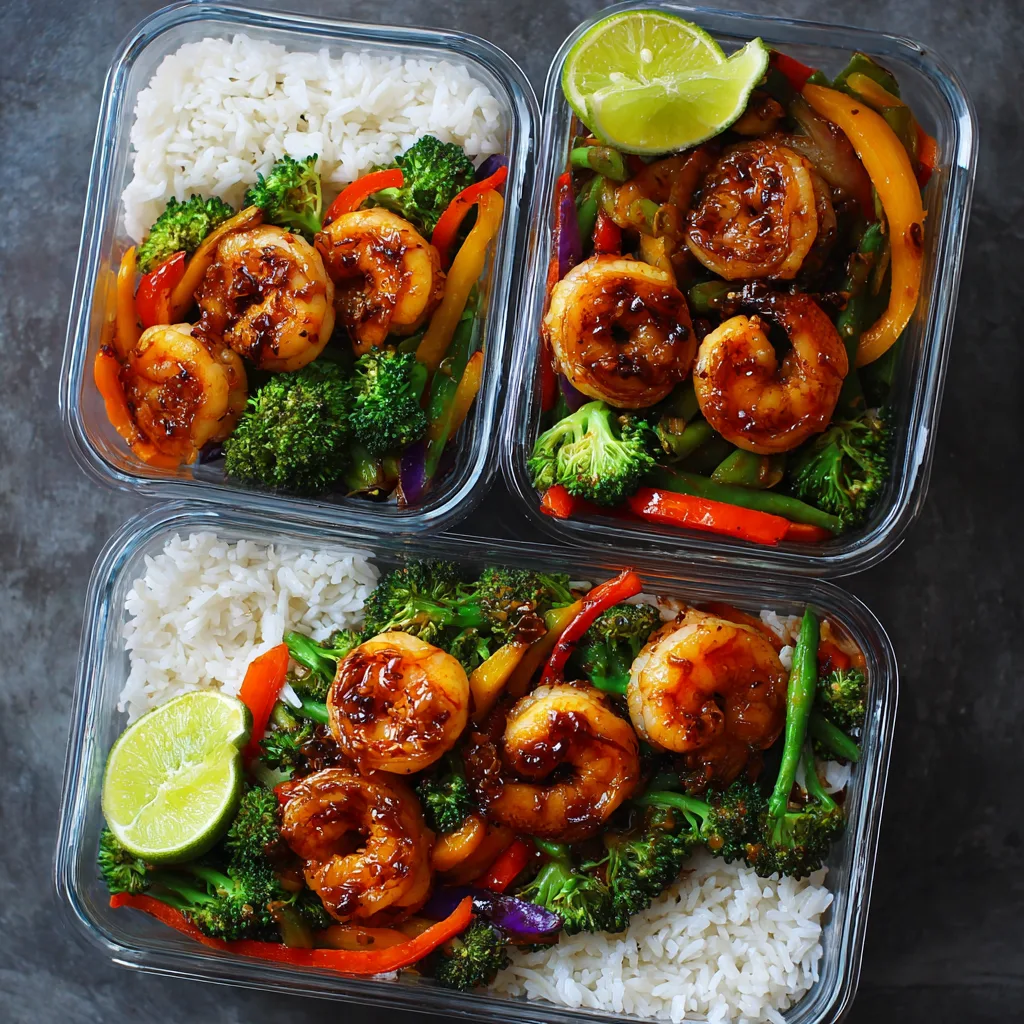
Garlic Ginger Shrimp Stir-Fry: The Ultimate High-Protein Meal Prep Guide
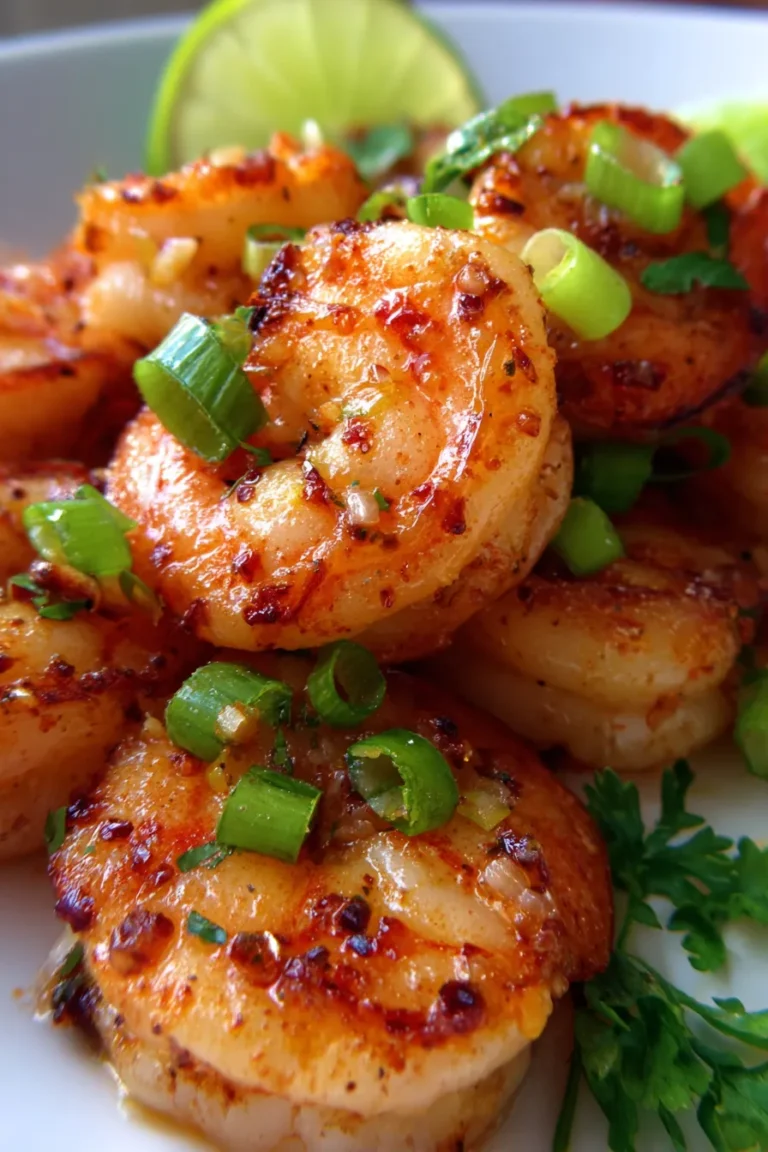
Maintaining a healthy lifestyle during a busy work week often feels like a balancing act, but few solutions are as effective as a well-executed shrimp stir-fry. As one of the most versatile proteins available, shrimp cooks in minutes and pairs perfectly with crisp, fiber-rich vegetables, making it a gold standard for meal prep enthusiasts. This recipe focuses on a balance of lean protein, complex carbohydrates, and a signature savory-sweet glaze that keeps the dish tasting fresh even on day four. By mastering this preparation, you can bypass the temptation of takeout and fuel your body with a nutrient-dense meal that satisfies cravings for bold, Asian-inspired flavors.
Ingredients
For the Stir-Fry:
-
1.5 lbs large shrimp (peeled, deveined, and tails removed)
-
1 tablespoon avocado oil or grapeseed oil
-
2 cups broccoli florets, cut into bite-sized pieces
-
1 red bell pepper, thinly sliced
-
1 large carrot, julienned or sliced into rounds
-
1 cup snap peas or snow peas
-
2 cloves garlic, minced
-
1 tablespoon fresh ginger, grated
-
Cooked quinoa, brown rice, or cauliflower rice (for serving)
-
Optional garnish: Sesame seeds and sliced green onions
For the Stir-Fry Sauce:
-
1/3 cup low-sodium soy sauce (or coconut aminos for gluten-free)
-
1 tablespoon honey or maple syrup
-
1 tablespoon rice vinegar
-
1 teaspoon toasted sesame oil
-
1 teaspoon sriracha or chili garlic sauce (optional for heat)
-
1 teaspoon cornstarch (to thicken)
Step-by-Step Instructions
-
Prepare the Sauce: In a small bowl, whisk together the soy sauce, honey, rice vinegar, sesame oil, sriracha, and cornstarch. Ensure the cornstarch is fully dissolved to avoid lumps. Set aside.
-
Sear the Shrimp: Heat half of the oil in a large skillet or wok over medium-high heat. Add the shrimp in a single layer. Cook for 1-2 minutes per side until they turn pink and opaque. Immediately remove the shrimp from the pan and set them on a plate to prevent overcooking.
-
Sauté the Aromatics and Vegetables: Add the remaining oil to the same pan. Stir in the minced garlic and grated ginger, cooking for 30 seconds until fragrant. Add the broccoli, carrots, bell peppers, and snap peas. Sauté for 4-5 minutes, adding a splash of water if the pan becomes too dry, until the vegetables are tender-crisp.
-
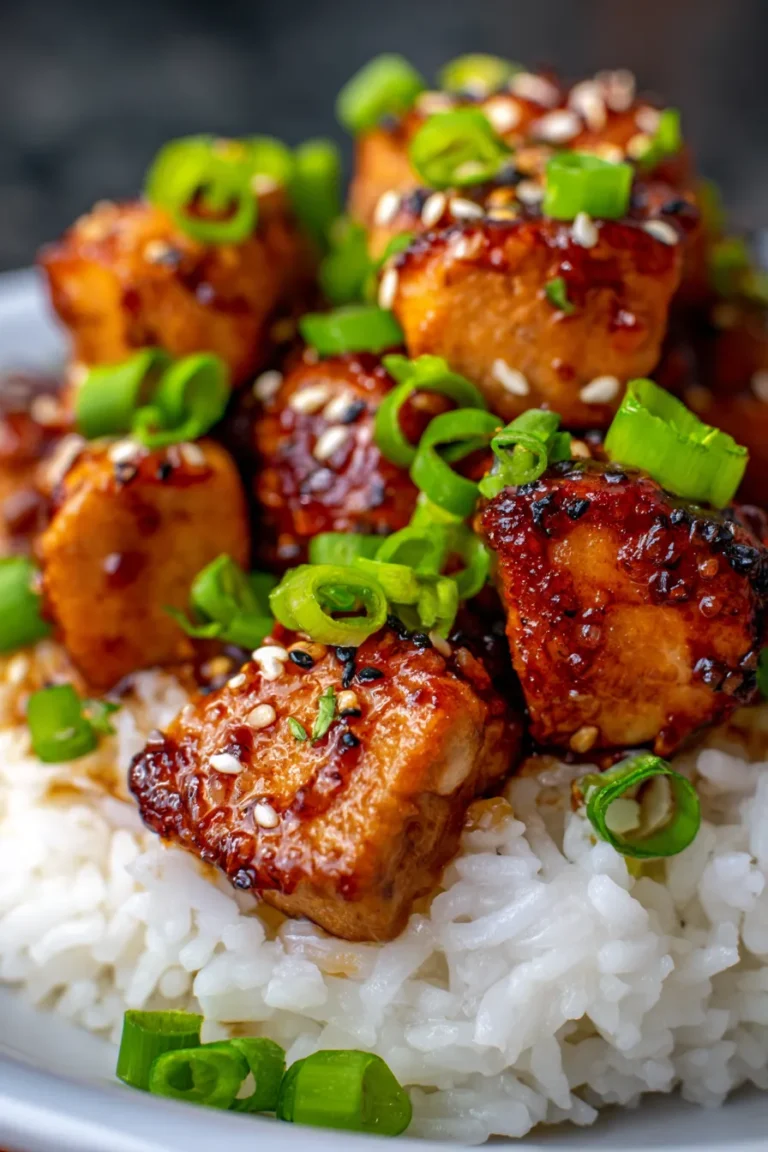
Thicken and Combine: Pour the prepared sauce over the vegetables. Stir constantly for about 1 minute until the sauce begins to bubble and thicken into a glossy glaze. Return the cooked shrimp to the pan and toss everything together to ensure an even coating.
-
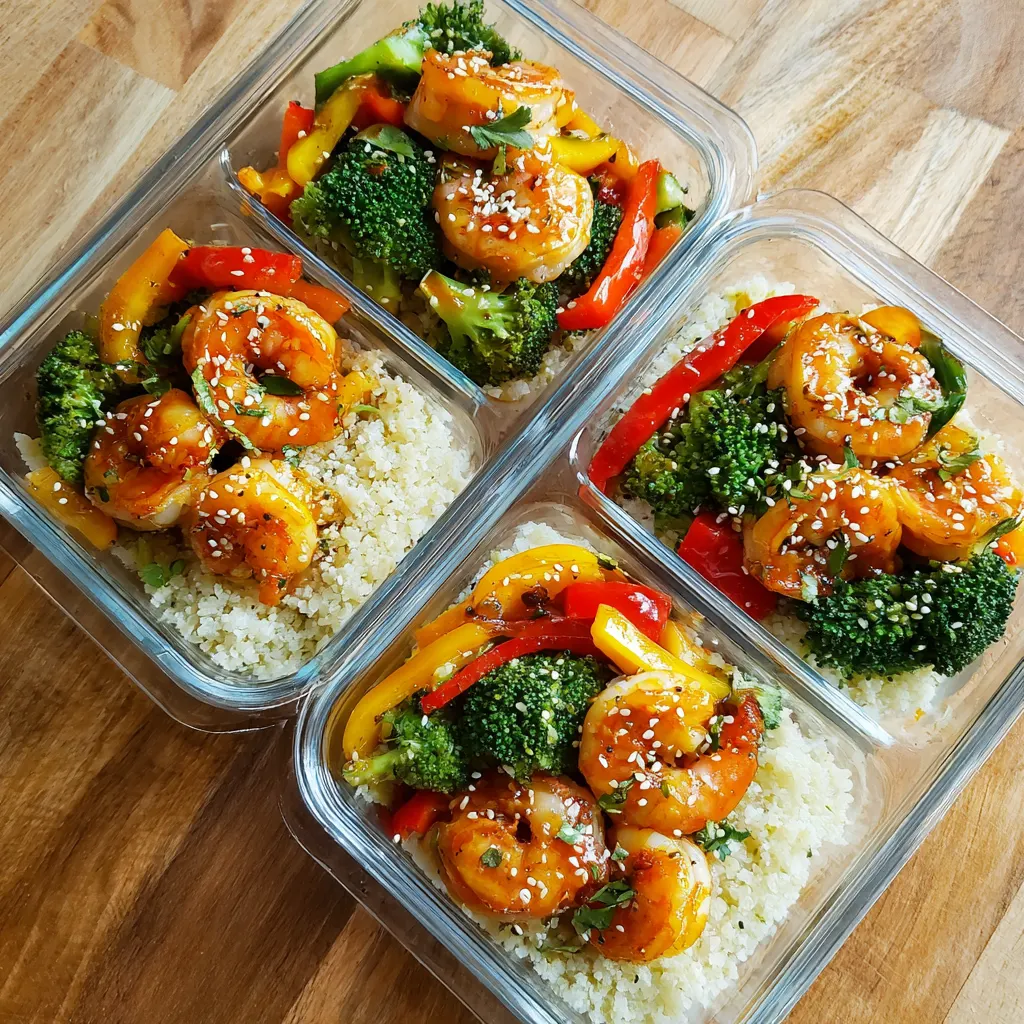
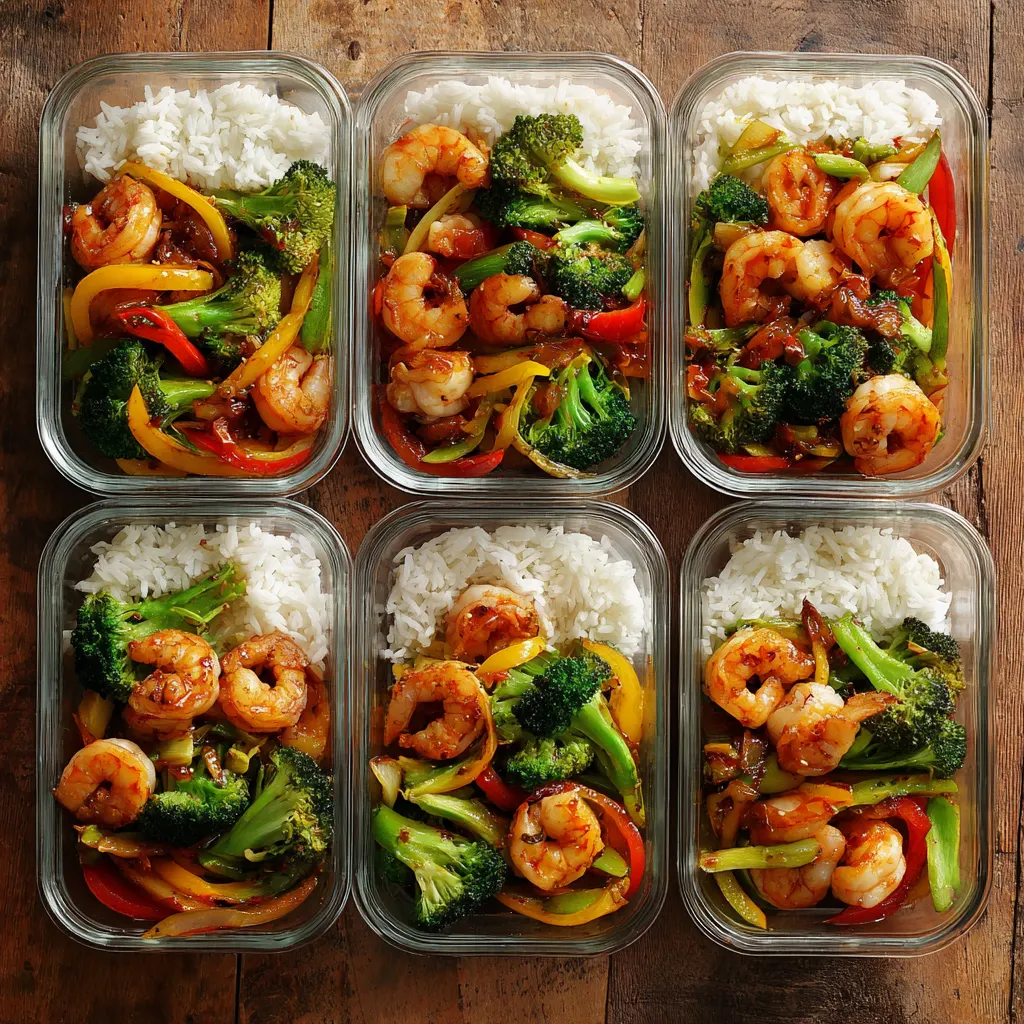
Portion for Meal Prep: Divide your chosen grain (rice or quinoa) equally among four airtight meal prep containers. Top each with a generous portion of the shrimp and vegetable mixture. Allow the meals to cool slightly before sealing and refrigerating.
The Benefits of Shrimp for Weekly Meal Planning
Shrimp is a powerhouse ingredient for those looking to optimize their nutrition without spending hours in the kitchen. From a macros perspective, it is almost pure protein with minimal fat and carbohydrates, making it an excellent choice for weight management or muscle recovery. Furthermore, shrimp contains astaxanthin, a powerful antioxidant that gives the shellfish its pink pigment and provides anti-inflammatory benefits.
Unlike chicken or beef, which can become tough or rubbery when reheated, shrimp maintains a pleasant texture if cooked properly. The key is to slightly undercook the shrimp during the initial sear, as the residual heat during storage and the subsequent reheating process will finish the cooking process. This ensures that your Wednesday lunch is just as succulent as your Monday dinner.
Selecting and Storing Your Ingredients for Longevity
To ensure your meal prep stays fresh for the full five-day work week, quality control starts at the grocery store. When buying shrimp, “frozen at sea” is often the best option. Most “fresh” shrimp at the seafood counter has been previously frozen and thawed; buying it frozen yourself allows you to control the thawing process and ensures maximum freshness.
For the vegetables, aim for a “rainbow” of colors. Not only does this provide a variety of phytonutrients, but sturdier vegetables like broccoli, carrots, and peppers hold up much better in the refrigerator than leafy greens or squash. If you find yourself short on time, pre-cut stir-fry vegetable mixes are a perfectly acceptable shortcut that can shave ten minutes off your prep time. When storing, ensure your containers are truly airtight. Glass containers with locking lids are preferred, as they don’t retain odors from the garlic and ginger and provide a superior seal to prevent the food from drying out.
Customization and Flavor Variations
While the garlic-ginger profile is a classic, the beauty of a stir-fry lies in its adaptability. You can easily pivot the flavor profile to keep your weekly routine from becoming monotonous. For a Thai-inspired twist, swap the soy sauce for fish sauce and lime juice, and stir in a spoonful of red curry paste. If you prefer a nuttier profile, add a dollop of peanut butter to the sauce and garnish with crushed roasted peanuts.
Vegetable substitutions are equally simple. If you have extra mushrooms, baby corn, or bok choy in the crisper drawer, toss them in. For those following a low-carb or keto lifestyle, swap the grain base for zoodles (zucchini noodles) or a bed of sautéed cabbage. By varying the base and the sauce, you can use the same core technique every week while feeling like you are eating an entirely different cuisine.
Reheating Tips for the Best Results
The final hurdle of meal prepping is the reheat. To prevent the shrimp from becoming “rubbery,” avoid the high-power setting on your microwave. Instead, reheat your container at 60% or 70% power in 45-second intervals. Adding a teaspoon of water or an extra splash of soy sauce before reheating can create a small amount of steam, which helps re-moisturize the rice and keep the vegetables from shriveling.
If you have access to a stovetop at your workplace or are eating at home, a quick two-minute toss in a hot skillet is the gold standard for reheating. This revives the “char” on the vegetables and maintains the integrity of the sauce. Regardless of the method, the goal is to warm the food through rather than “cook” it again. With these strategies, your shrimp stir-fry will remain a vibrant, delicious, and stress-free cornerstone of your healthy eating habits.