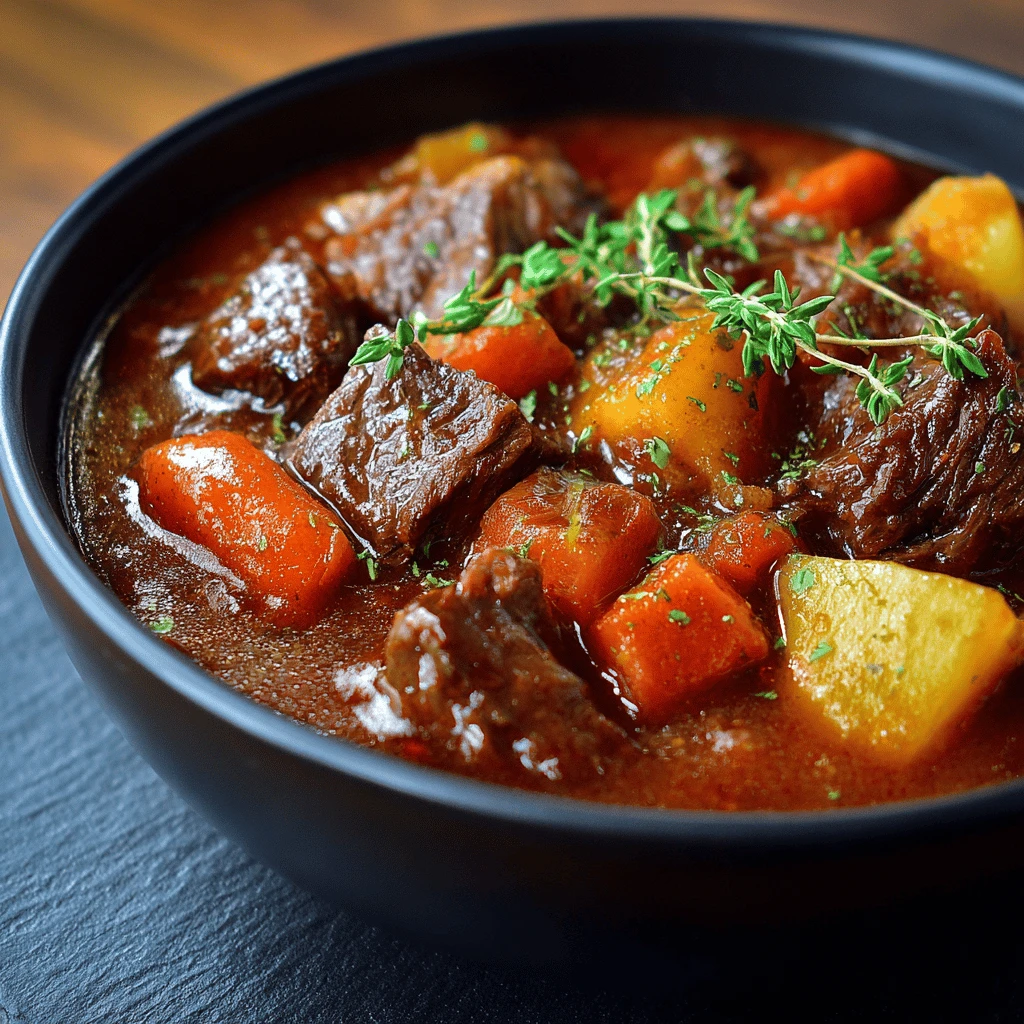
Slow Cooker Beef Stew: The Ultimate Guide to Tender, Flavorful Comfort
Beef stew, a timeless classic, embodies the essence of comfort food. Hearty, flavorful, and satisfying, it’s a dish that warms you from the inside out. And what better way to prepare it than in a slow cooker? This method allows for the development of incredible depth of flavor and ensures incredibly tender beef. This guide will walk you through everything you need to know to create the perfect slow cooker beef stew, from ingredient selection to expert tips and variations.
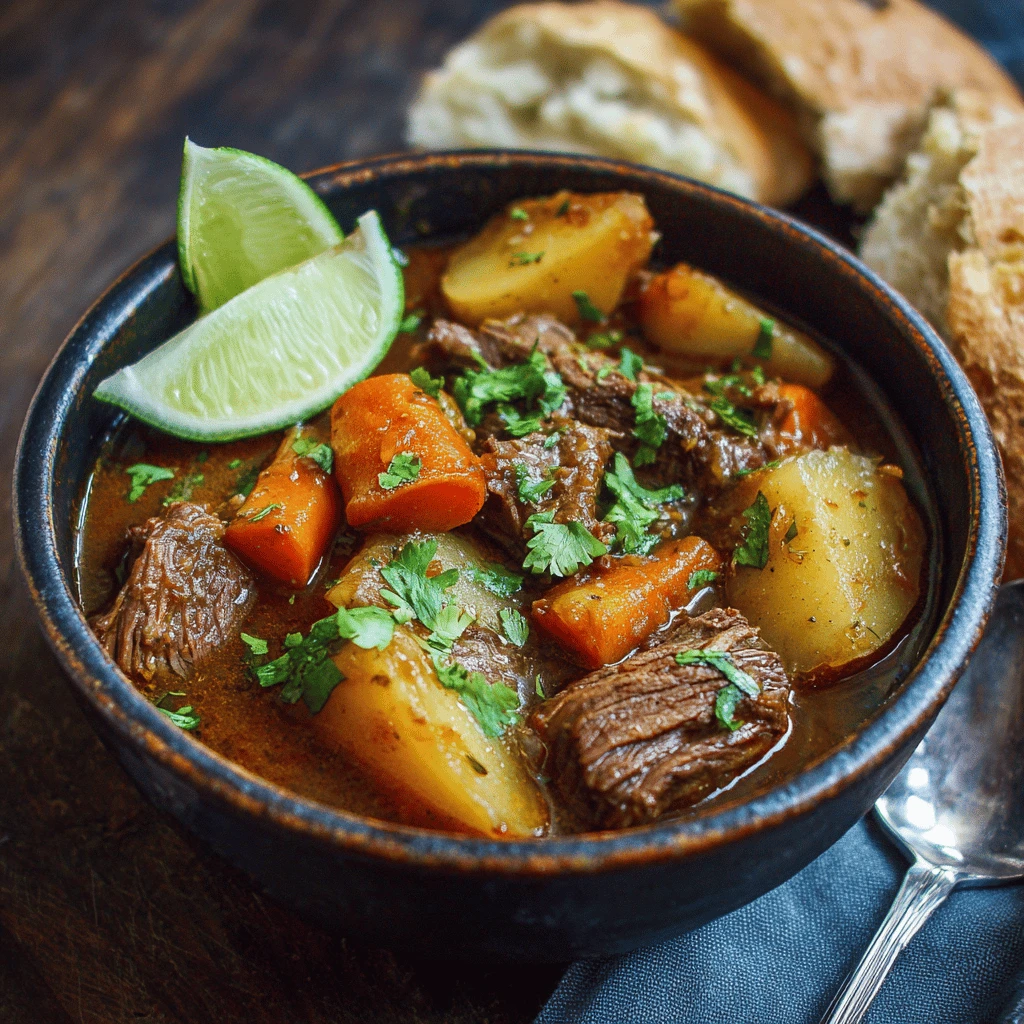
Why Slow Cooker Beef Stew is the Perfect Meal
The slow cooker, also known as a crockpot, is a game-changer when it comes to beef stew. Here’s why:
- Tender Beef: The low and slow cooking process breaks down tough cuts of beef, transforming them into melt-in-your-mouth morsels. Collagen, a protein found in connective tissue, slowly dissolves, creating a rich, gelatinous sauce that coats every ingredient.
- Intense Flavor: Slow cooking allows the flavors to meld and deepen over time. The beef, vegetables, and seasonings infuse each other, creating a complex and satisfying taste.
- Convenience: Simply toss the ingredients into the slow cooker, set it, and forget it! This makes it ideal for busy weeknights or weekends when you want a delicious meal without spending hours in the kitchen.
- Versatility: Beef stew is highly adaptable. You can easily customize it with your favorite vegetables, herbs, and spices to create a dish that perfectly suits your preferences.
- Budget-Friendly: Slow cookers excel at tenderizing cheaper cuts of meat, making it a smart and economical way to feed a crowd.
Choosing the Best Ingredients for Your Stew
The quality of your ingredients significantly impacts the final flavor of your stew. Here’s a breakdown of the key components:
Selecting the Right Beef
The best cuts of beef for slow cooker stew are those with a good amount of marbling and connective tissue. These cuts become incredibly tender and flavorful during the long cooking process.
- Chuck Roast: This is the most popular and readily available choice. It’s relatively inexpensive and has a good balance of meat and fat. Look for chuck roast with plenty of marbling (the white flecks of fat within the meat).
- Stew Meat: While convenient, pre-cut stew meat can sometimes be of lower quality. If using stew meat, inspect it carefully and trim away any large pieces of fat or gristle. Chuck roast cut into 1-inch cubes is usually a better option.
- Beef Shank: While it contains a bone, beef shank adds incredible depth of flavor and richness to the stew. The marrow from the bone infuses the broth, creating a truly exceptional taste.
- Brisket: For a truly decadent stew, consider using brisket. Its rich flavor and generous marbling make it a luxurious choice.
- Round Roast: While leaner, round roast can still work in a slow cooker if cooked for a longer period. Consider adding a small amount of beef broth or oil to prevent it from drying out.
The Perfect Vegetables
A mix of root vegetables and aromatics is essential for a well-rounded beef stew.
- Potatoes: Yukon Gold potatoes are a great choice because they hold their shape well during long cooking. Russet potatoes can also be used, but they may become slightly softer.
- Carrots: Carrots add sweetness and color to the stew. Choose firm, bright orange carrots.
- Onions: Yellow onions are the standard choice, but sweet onions or red onions can also be used for a different flavor profile.
- Celery: Celery adds a subtle savory note to the stew.
- Garlic: Fresh garlic is a must for depth of flavor.
- Peas (Optional): Frozen peas are a popular addition, but they should be added during the last 30 minutes of cooking to prevent them from becoming mushy.
- Mushrooms (Optional): Cremini or button mushrooms add an earthy flavor and meaty texture to the stew.
Enhancing the Flavor with Liquids and Seasonings
The liquid and seasonings are what bring all the ingredients together and create the stew’s signature flavor.
- Beef Broth: Use a high-quality beef broth as the base of your stew. Low-sodium broth allows you to control the salt content.
- Red Wine (Optional): A dry red wine, such as Cabernet Sauvignon or Merlot, adds depth and complexity to the stew. If you prefer not to use wine, simply substitute with more beef broth.
- Tomato Paste: Tomato paste adds richness and acidity to the stew.
- Worcestershire Sauce: A splash of Worcestershire sauce enhances the savory notes and adds umami.
- Bay Leaf: Bay leaves add a subtle herbal flavor. Remember to remove them before serving.
- Thyme: Fresh or dried thyme complements the beef and vegetables beautifully.
- Rosemary (Optional): A small amount of fresh rosemary can add a woodsy aroma to the stew. Use it sparingly, as it can be overpowering.
- Salt and Pepper: Season generously to taste. Remember that the flavors will intensify as the stew cooks.
Step-by-Step Guide to Making Slow Cooker Beef Stew
Now that you have your ingredients, let’s get cooking! Here’s a simple, step-by-step guide to making delicious slow cooker beef stew:
1. Prepare the Beef: Cut the beef into 1-inch cubes. Pat the beef dry with paper towels. This helps it brown better.
2. Sear the Beef (Optional but Recommended): Heat a large skillet over medium-high heat with a tablespoon of oil. Sear the beef in batches until browned on all sides. Searing the beef adds flavor and helps to create a richer, more flavorful stew. Don’t overcrowd the pan, or the beef will steam instead of brown.
3. Sauté the Aromatics (Optional): In the same skillet, sauté the onions and celery until softened, about 5-7 minutes. Add the garlic and cook for another minute until fragrant. This step adds another layer of flavor to the stew.
4. Combine Ingredients in the Slow Cooker: Transfer the seared beef, sautéed aromatics (if using), potatoes, carrots, tomato paste, beef broth, red wine (if using), Worcestershire sauce, bay leaf, thyme, salt, and pepper to the slow cooker.
5. Cook: Cover and cook on low for 6-8 hours or on high for 3-4 hours, or until the beef is very tender and the vegetables are cooked through.
6. Thicken the Stew (Optional): If you prefer a thicker stew, you can thicken it with a cornstarch slurry. Mix 1-2 tablespoons of cornstarch with 2-4 tablespoons of cold water until smooth. Stir the slurry into the stew during the last 30 minutes of cooking.
7. Add Peas (Optional): If using frozen peas, add them during the last 30 minutes of cooking.
8. Remove Bay Leaf: Before serving, remove the bay leaf.
9. Serve: Ladle the stew into bowls and garnish with fresh parsley, if desired. Serve with crusty bread for dipping.
Tips and Variations for the Perfect Stew
- Don’t Overfill the Slow Cooker: Overfilling the slow cooker can prevent the stew from cooking evenly.
- Adjust Seasoning: Taste the stew during the last hour of cooking and adjust the seasoning as needed.
- Add Herbs: Fresh herbs, such as parsley or chives, can be added just before serving for a burst of freshness.
- Spice it Up: Add a pinch of red pepper flakes for a little heat.
- Vegetarian Option: Replace the beef with mushrooms or lentils for a vegetarian version.
- Add Different Vegetables: Try adding turnips, parsnips, or sweet potatoes for a different flavor profile.
- Use Different Liquids: Experiment with different liquids, such as Guinness beer or vegetable broth.
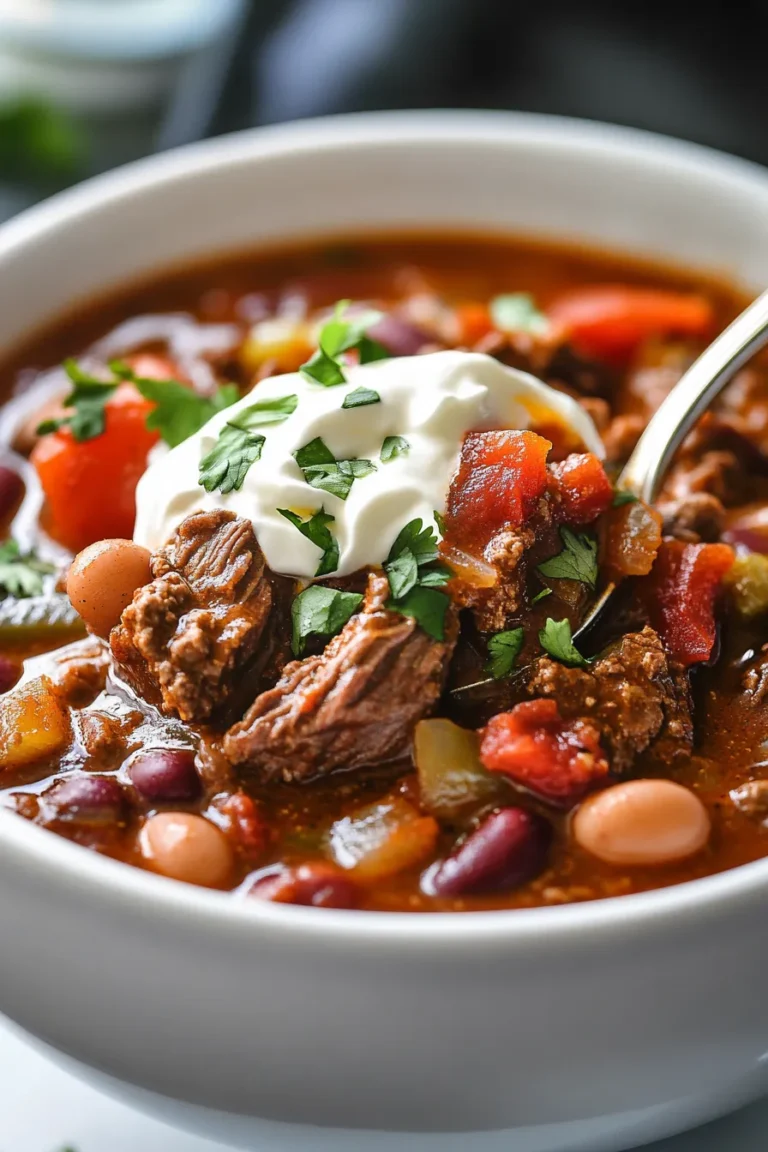
- Make it Creamy: Stir in a dollop of sour cream or Greek yogurt just before serving for a creamy texture.
Serving and Storing Your Slow Cooker Beef Stew
Slow cooker beef stew is best served hot, straight from the slow cooker. It’s delicious on its own, but it’s also great with:
- Crusty bread for dipping
- Mashed potatoes
- Rice
- Noodles
- Biscuits
Leftover stew can be stored in an airtight container in the refrigerator for up to 3-4 days. It can also be frozen for up to 2-3 months. Thaw it overnight in the refrigerator before reheating.
To reheat, simply heat the stew in a saucepan over medium heat until heated through. You can also reheat it in the microwave.
Frequently Asked Questions
- Can I use frozen beef in a slow cooker? While it’s generally recommended to thaw meat before cooking in a slow cooker for food safety reasons, some slow cookers have settings specifically designed for frozen ingredients. Check your slow cooker’s manual for instructions.
- Can I put raw potatoes in a slow cooker? Yes, raw potatoes can be added to a slow cooker. However, it’s important to cut them into uniform sizes to ensure they cook evenly.
- Why is my beef stew tough? The most common reason for tough beef stew is that it hasn’t been cooked long enough. Slow cooking breaks down the tough fibers in the meat, making it tender. If your stew is tough, continue cooking it for another hour or two. Additionally, using a cut of beef that is too lean can result in a tougher stew.
- How do I thicken my beef stew? There are several ways to thicken beef stew. The most common method is to use a cornstarch slurry. Mix cornstarch with cold water and stir it into the stew during the last 30 minutes of cooking. You can also use flour, potato starch, or arrowroot starch. Alternatively, you can mash some of the potatoes in the stew to thicken it naturally.
- Can I add alcohol to a slow cooker? Yes, you can add alcohol to a slow cooker. However, keep in mind that alcohol evaporates slowly in a slow cooker, so the flavor will be more concentrated. For best results, use a dry red wine, such as Cabernet Sauvignon or Merlot. Beer, such as stout or porter, can also be used to add a rich, malty flavor to the stew.
- Can I leave my slow cooker on all day? Yes, you can leave your slow cooker on all day, but it’s important to follow the manufacturer’s instructions. Most slow cookers have a “warm” setting that is designed to keep food at a safe temperature for extended periods.
- What can I add to beef stew to make it taste better? To enhance the flavor of your beef stew, consider adding umami-rich ingredients like Worcestershire sauce, soy sauce, or a small amount of fish sauce. Searing the beef before adding it to the slow cooker also significantly boosts flavor. Don’t forget to adjust the seasoning to your liking, adding more salt, pepper, or herbs as needed. A splash of red wine vinegar or lemon juice at the end can brighten the flavors as well.
- Is it better to slow cook on low or high? Cooking on low generally yields better results for beef stew. The longer cooking time allows the beef to become incredibly tender and the flavors to meld together. However, if you’re short on time, you can cook the stew on high for a shorter period. Just be sure to check the beef for tenderness after the minimum cooking time and adjust accordingly.
- What goes well with beef stew? Beef stew pairs well with a variety of sides. Crusty bread is a classic choice for soaking up the flavorful broth. Mashed potatoes, rice, or noodles can also be served alongside the stew for a heartier meal. A simple green salad provides a refreshing contrast to the richness of the stew. Cornbread or biscuits are other popular options.