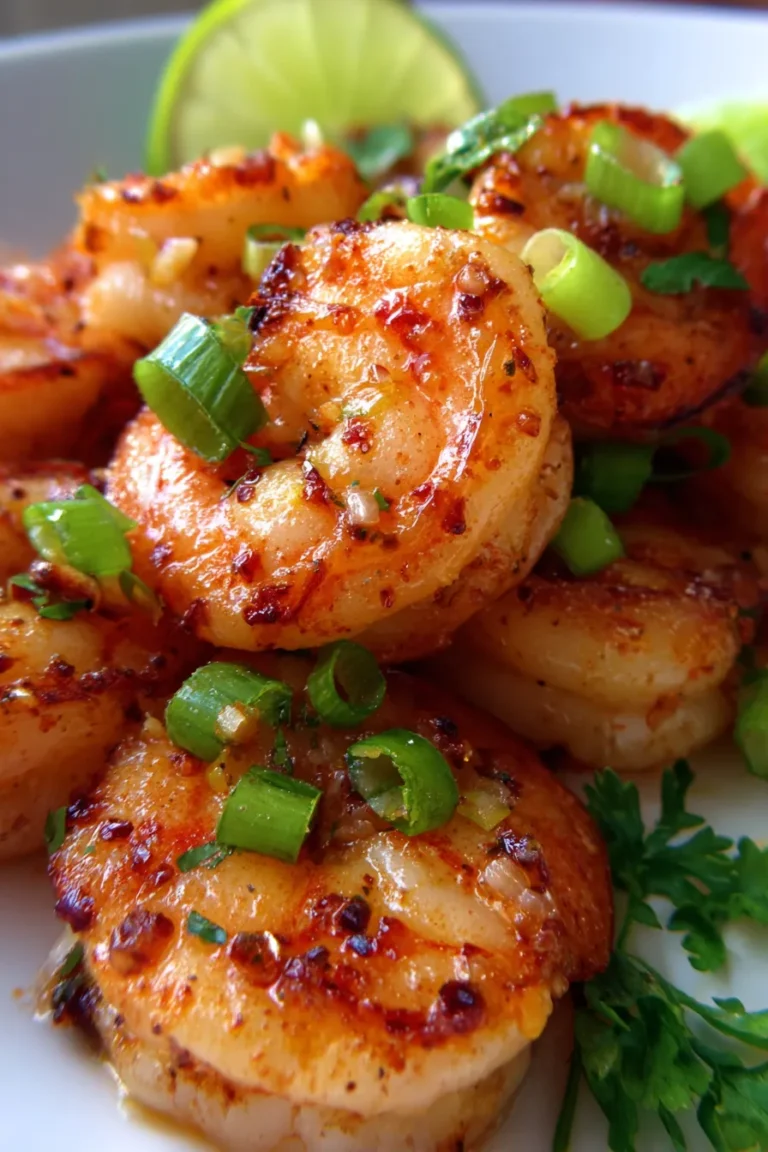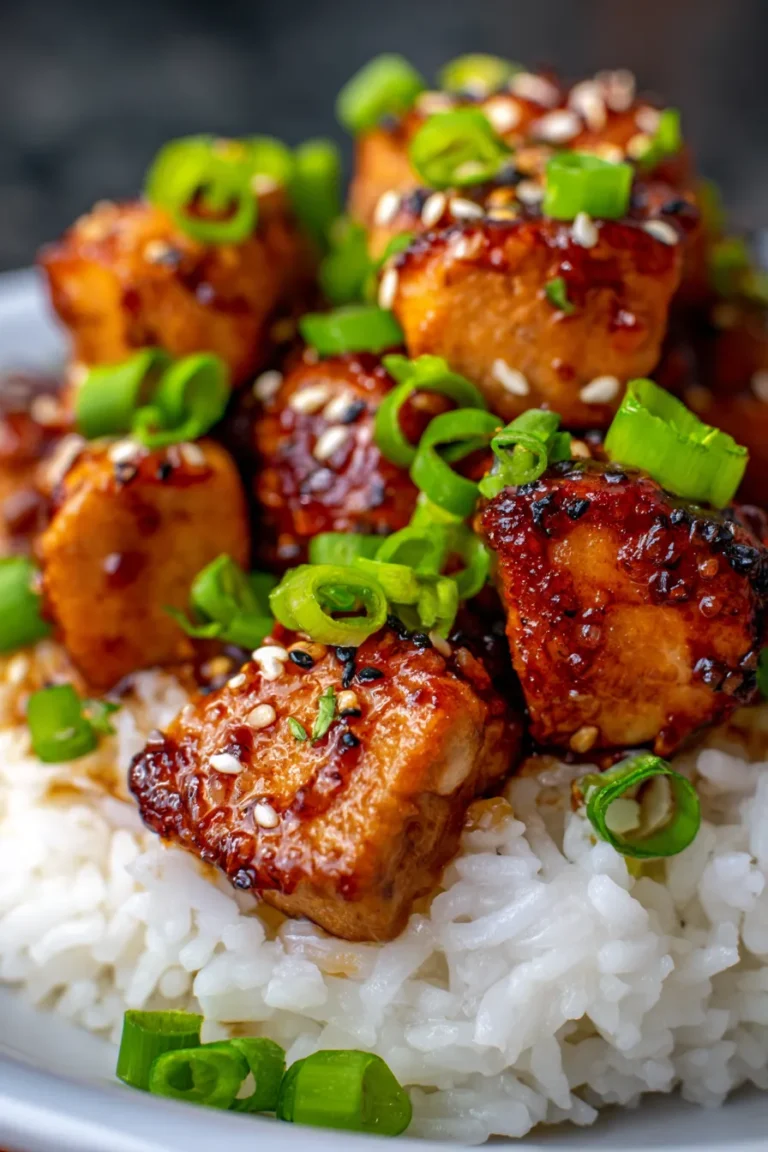
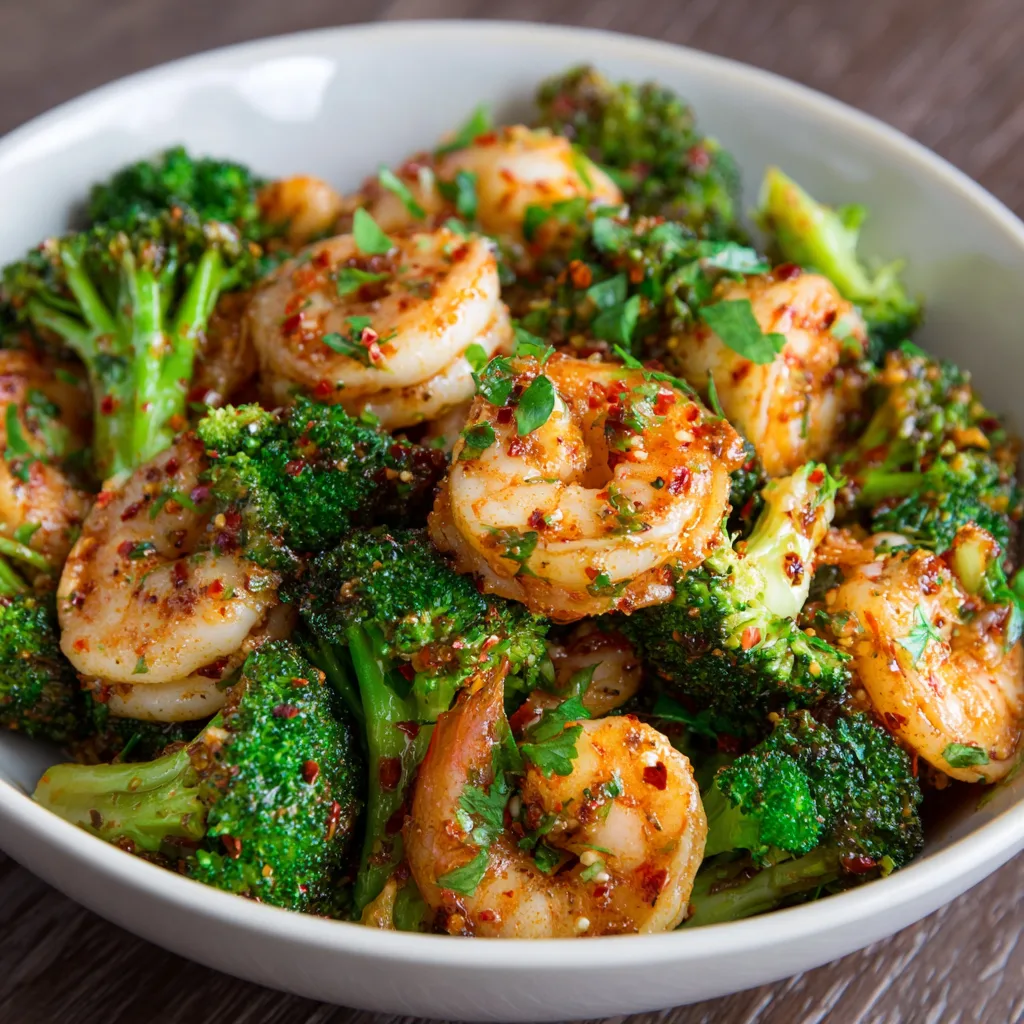
This recipe for Spicy Garlic Broccoli and Shrimp offers the perfect balance of heat, sweet, and savory—a guaranteed way to achieve rich, glossy, takeout-quality flavor right in your own kitchen in under 20 minutes. It pairs succulent, quickly-seared shrimp and vibrant, tender-crisp broccoli florets with a fiery, aromatic sauce built upon fresh ginger, copious amounts of garlic, and a hint of honey to cut the spice. This is more than just a quick meal; it is an efficient, nutrient-dense stir-fry that is easily adaptable to dietary needs and customizable to your preferred level of heat, making it a reliable staple for busy weeknights.
Ingredients
For the Spicy Garlic Sauce
-
3 Tbsp low-sodium soy sauce (or Tamari for gluten-free)
-
2 Tbsp chicken or vegetable broth
-
1 Tbsp rice wine vinegar
-
1 Tbsp honey or brown sugar
-
1 Tbsp oyster sauce (optional, for authentic depth, or substitute with more soy sauce and a dash of fish sauce)
-
2 tsp toasted sesame oil
-
2 tsp Sriracha or chili-garlic sauce, or to taste
-
1 tsp cornstarch
For the Stir-Fry
-
1 lb large raw shrimp, peeled and deveined (size 21/25 recommended)
-
1 large head of broccoli (about 4 cups of florets)
-
2 Tbsp high-heat cooking oil (peanut, avocado, or canola)
-
4 large cloves garlic, finely minced
-
1 tsp fresh ginger, grated
-
½ tsp red pepper flakes (or dried red chilies for a deeper heat)
-
Salt and freshly ground black pepper
-
Garnish: Sliced scallions, toasted sesame seeds
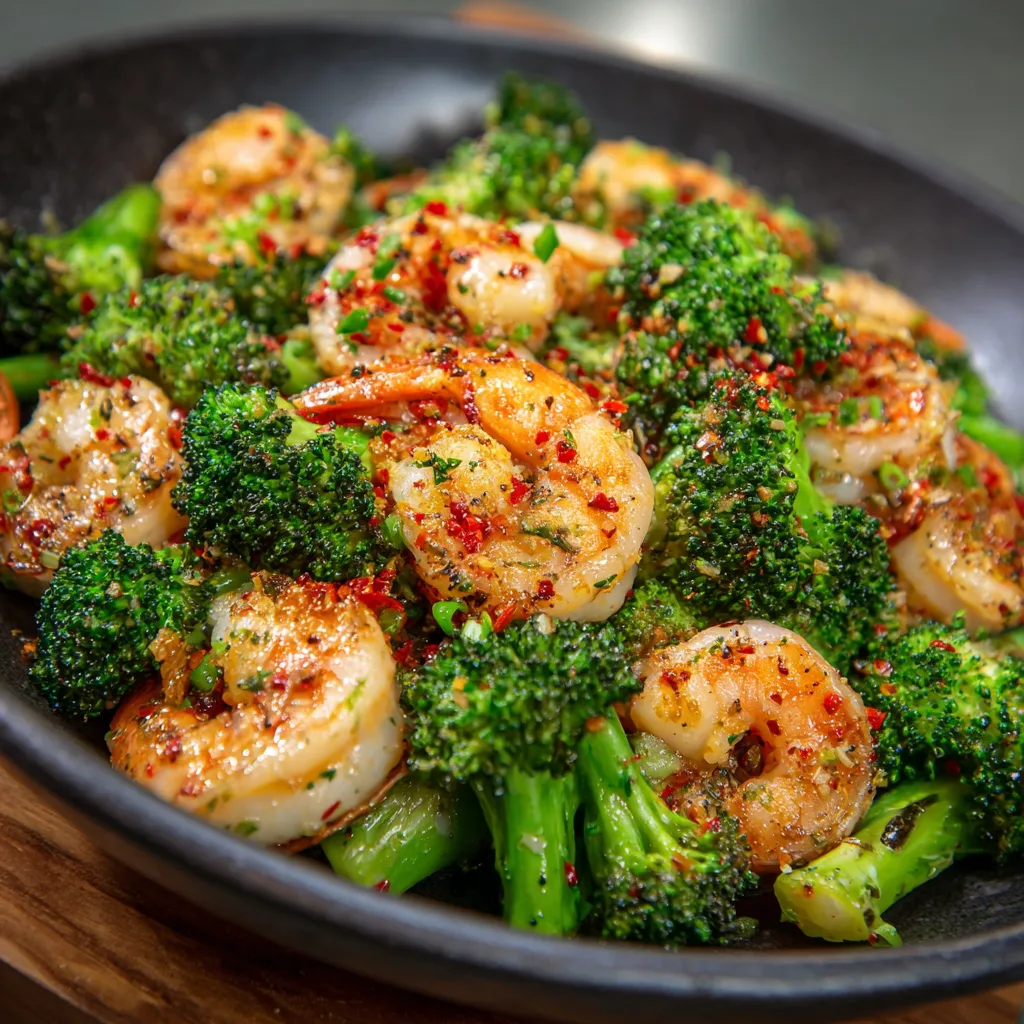
Step-by-Step Instructions
-
Prepare the Sauce and Shrimp: In a small bowl, whisk together all the sauce ingredients (soy sauce, broth, vinegar, honey, oyster sauce, sesame oil, Sriracha, and cornstarch) until the cornstarch is fully dissolved and the mixture is smooth. Pat the shrimp thoroughly dry with a paper towel and season lightly with salt and pepper.
-
Pre-Cook the Broccoli: Heat 1 tablespoon of oil in a large wok or skillet over medium-high to high heat. Add the broccoli florets and stir-fry for 2–3 minutes until they begin to char slightly and turn bright green. If the pan seems too dry, add 1–2 tablespoons of water or broth and cover briefly (30 seconds) to steam them slightly. Remove the broccoli from the pan and set it aside.
-
Cook the Aromatics and Shrimp: Add the remaining 1 tablespoon of oil to the same pan over high heat. Once hot, add the minced garlic, grated ginger, and red pepper flakes. Stir constantly for about 30 seconds until fragrant, being careful not to let the garlic burn. Add the dried, seasoned shrimp to the pan in a single layer. Cook for 1–2 minutes per side until they turn pink and opaque.
-
Combine and Glaze: Reduce the heat to medium. Give the reserved sauce mixture one final quick whisk to ensure the cornstarch hasn’t settled. Pour the sauce directly into the pan with the shrimp. Bring the sauce to a quick simmer, stirring continuously. As soon as the sauce begins to bubble, the cornstarch will activate and thicken rapidly, creating a beautiful, sticky glaze.
-
Finish and Serve: Return the pre-cooked broccoli to the pan and toss everything quickly to coat it evenly in the thickened sauce. Cook for 30–60 seconds, just long enough to heat the broccoli through. Garnish with fresh scallions and sesame seeds. Serve immediately over rice or noodles.
Mastering the Ingredients for Maximum Flavor and Texture
Achieving that signature vibrant color and balanced texture found in professional stir-fry requires deliberate attention to the three core ingredients: shrimp, broccoli, and the spice-garlic foundation.
Shrimp Selection and Preparation
The secret to tender, non-rubberized shrimp lies in temperature control and proper preparation. Always use raw, peeled, and deveined shrimp, preferably large (U/20 or 21/25 count) as they are harder to overcook.
-
Thawing: If using frozen shrimp, thaw them rapidly under cool running water for five minutes, then drain.
-
The Pat-Dry Rule: The most critical step is patting the shrimp completely dry. Excess moisture lowers the pan temperature and prevents searing, leading to steaming instead of stir-frying. A dry surface is necessary for the Maillard reaction—the browning that enhances flavor.
-
Velveting (Optional): For an even silkier texture, toss the shrimp with a tiny pinch of salt and a half-teaspoon of cornstarch before cooking. This Chinese technique, known as velveting, protects the proteins from high heat, keeping the shrimp incredibly tender.
Perfecting the Tender-Crisp Broccoli
Mushy, dull broccoli can ruin a stir-fry. The goal is “tender-crisp” (bright green exterior, slightly yielding center). Because broccoli takes longer to cook than shrimp, it must be handled first.
-
Size Matters: Cut the florets into uniform, bite-sized pieces to ensure they cook at the same rate. Don’t discard the stems; peel the tough outer skin, slice the tender inner core, and add them for extra crunch.
-
The Two-Step Cook: Many recipes fail by adding raw broccoli and hoping it cooks before the shrimp overcooks. Instead, use a two-step method:
-
Initial Sear: Cook the broccoli alone over high heat with oil for 2–3 minutes until some edges are slightly charred.
-
Quick Steam: Adding a tablespoon or two of water or broth and covering the pan for 30 seconds creates a fast steam bath that locks in the bright green color and softens the vegetable quickly without boiling it.
-
The Aromatic and Spicy Foundation
The depth of this dish comes from the fresh aromatics. Use fresh garlic and ginger—not powders or dried alternatives—as they are fundamental to Asian stir-frying. For the “spicy” element, using a combination of dried red pepper flakes (which infuse the oil with pure heat) and a fermented paste like Sriracha or chili-garlic sauce (which adds complex flavor and consistency) provides a layered heat profile superior to using just one source. Always sauté these aromatics just before adding the main protein, ensuring they are fragrant but never browned or burned, which results in a bitter taste.
The Art of the Stir-Fry: Technique and Timing
Stir-frying is a cooking method built on speed and extremely high heat. Proper technique ensures all components are perfectly cooked when they hit the plate.
Wok vs. Skillet: Heat Management
While a traditional carbon-steel wok is ideal for its tapered shape and superior heat retention, a large, heavy-bottomed stainless steel or non-stick skillet can be used effectively, provided it is not overcrowded.
-
Use High Heat: The entire process should be executed over medium-high to high heat. The pan must be smoking hot before the first ingredient goes in.
-
Don’t Crowd the Pan: Stir-frying relies on high surface-area contact with the hot metal. If you crowd the pan, the temperature drops dramatically, and the ingredients steam in their own juices instead of searing. If doubling the recipe, cook the shrimp and broccoli in two separate batches.
Cooking Components Separately
The key to textural success is to treat the shrimp, broccoli, and aromatics as individual elements that must be cooked separately and then reunited at the last moment.
-
Cook Broccoli First: Achieve the desired tenderness, remove, and reserve. This prevents the shrimp from taking on a vegetal taste and prevents the shrimp from overcooking while waiting for the broccoli.
-
Infuse the Oil: Cook the garlic, ginger, and chili first. This process, known as blooming the spices, extracts their fat-soluble flavors directly into the hot oil, distributing the flavor throughout the entire dish.
-
Cook Shrimp Last: Shrimp cooks the fastest. Since the broccoli is already cooked and the sauce is ready, the shrimp only needs 2–3 minutes total until it just turns pink and curls into a C-shape (an O-shape means it is overcooked).
Building the Ultimate Sticky Glaze
The hallmark of a great Asian takeout meal is the thick, glossy sauce that clings to the ingredients without being greasy.
-
Cornstarch is Essential: Cornstarch (or arrowroot powder) is the necessary thickening agent. It must be mixed with a cold liquid (broth or water) before being added to the hot pan to create a “slurry.” Never dump dry cornstarch into a hot sauce, as it will instantly clump.
-
The Final Toss: When the sauce is added, keep the heat high enough to bubble. The sauce will rapidly transition from watery to thick and syrupy within 30–60 seconds. This is the exact moment to add the pre-cooked broccoli back in, toss quickly, and serve immediately to prevent the sauce from becoming gluey.
Flavor Variations, Customization, and Dietary Swaps
This recipe is highly versatile, allowing for simple adjustments to cater to specific tastes or dietary restrictions without losing the core spicy garlic flavor profile.
Heat Customization
Adjusting the spice level is straightforward by manipulating the source and amount of chili.
-
Mild: Omit the red pepper flakes and use just 1 teaspoon of chili-garlic sauce.
-
Medium-Hot (Standard Recipe): Use ½ teaspoon red pepper flakes and 2 teaspoons of Sriracha.
-
Fiery/Advanced: Add 5–8 whole dried Sichuan chilies (cooked briefly with the oil and aromatics, then removed) and substitute Sriracha with a higher-potency sauce like Sambal Oelek or Laoganma Spicy Chili Crisp.
Sauce Swaps and Dietary Adjustments
The base sauce can be altered to accommodate various diets:
-
Gluten-Free: Substitute standard soy sauce with Tamari or coconut aminos. Ensure the oyster sauce (if used) is a certified gluten-free brand, or simply omit it.
-
Keto/Low-Carb: Skip the honey/sugar entirely. For a richer, less traditional flavor, switch the sauce base to a Garlic Butter Lemon Sauce: cook the shrimp in 4 tablespoons of butter, 4 cloves of garlic, and the chili flakes, then finish with a squeeze of fresh lemon juice instead of the soy-based glaze.
-
Oyster-Free/Vegan: Skip the oyster sauce. For the umami boost, substitute with a teaspoon of mushroom powder, a dash of fish sauce (if not fully vegetarian), or a high-quality vegetarian stir-fry sauce.
Vegetable and Protein Add-Ins
This is an excellent framework for using other vegetables. Cook any additions using the same two-step method as the broccoli.
-
Fast-Cooking Vegetables: Sliced bell peppers, snow peas, mushrooms, or thinly sliced carrots can be added to the initial broccoli sear.
-
Hearty Additions: For a more substantial meal, chicken thighs or steak strips can be substituted for the shrimp. Note that chicken and beef require longer cooking times (around 5–7 minutes) and should be marinated briefly in cornstarch and soy sauce for better texture before cooking.
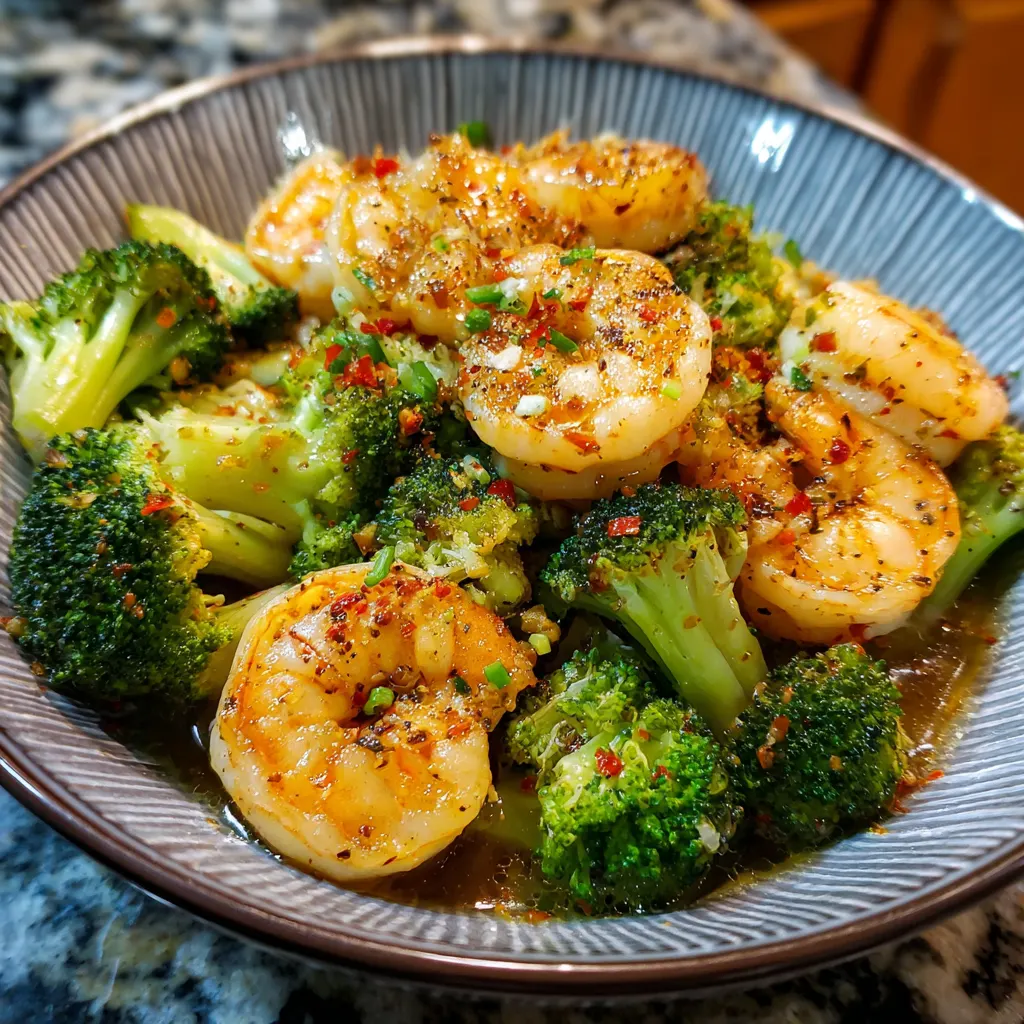
Serving, Storage, and Troubleshooting
A perfect stir-fry is a dish that is hot, fresh, and immediate. Knowing how to serve it, what mistakes to avoid, and how to handle leftovers ensures the best possible experience.
Best Serving Suggestions
The high-heat, glossy sauce makes this dish ideal for absorbing carbohydrates.
-
Classic Rice: Serve over fluffy white jasmine rice, brown rice, or a nutty wild rice blend.
-
Noodles: Toss the stir-fry directly with pan-fried udon or lo mein noodles.
-
Low-Carb Options: Serve over cauliflower rice, zoodles, or a bed of fresh, crunchy lettuce cups.
The final dish should be bright and colorful. Always garnish with fresh scallions (for a sharp, oniony crunch), toasted sesame seeds (for aroma), and if desired, a drizzle of extra sesame oil.