
The Ultimate Spinach and Bacon Pizza: A Guide to the Perfect White Pie
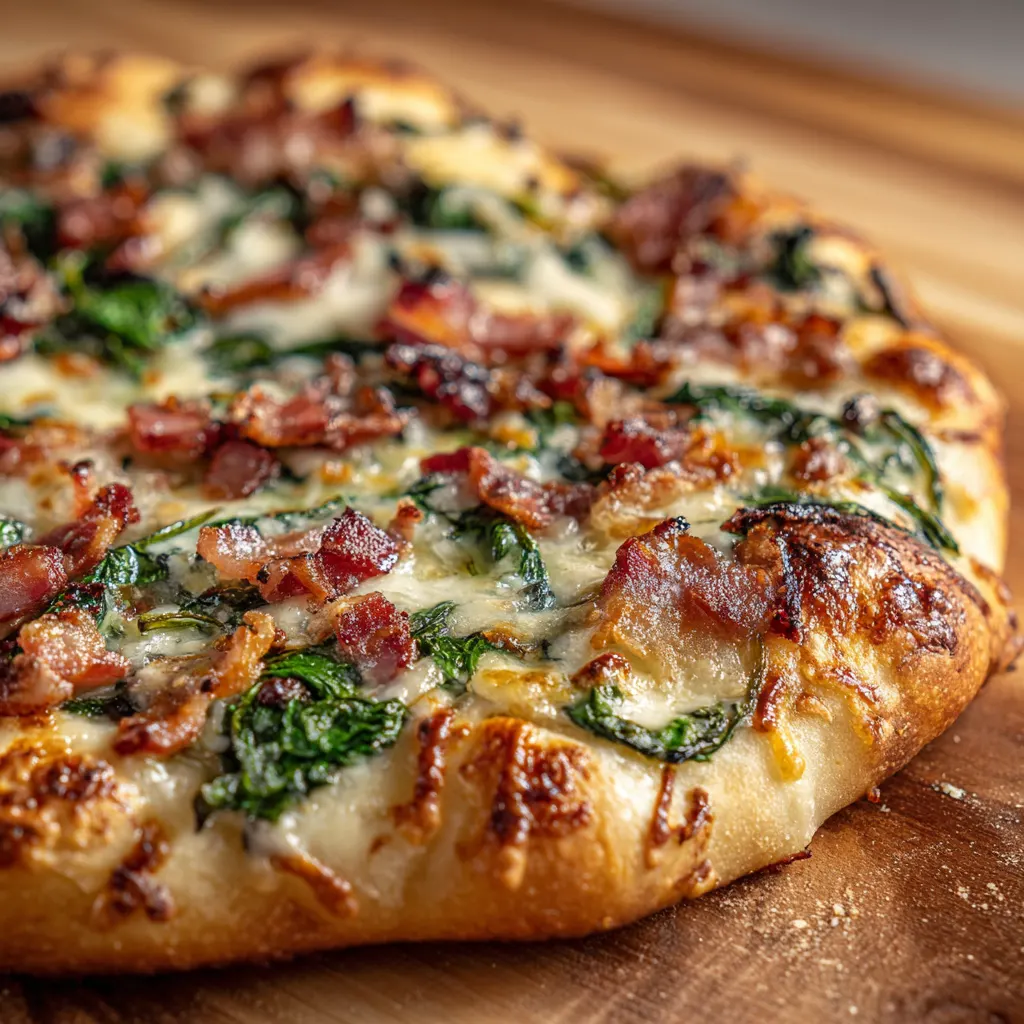
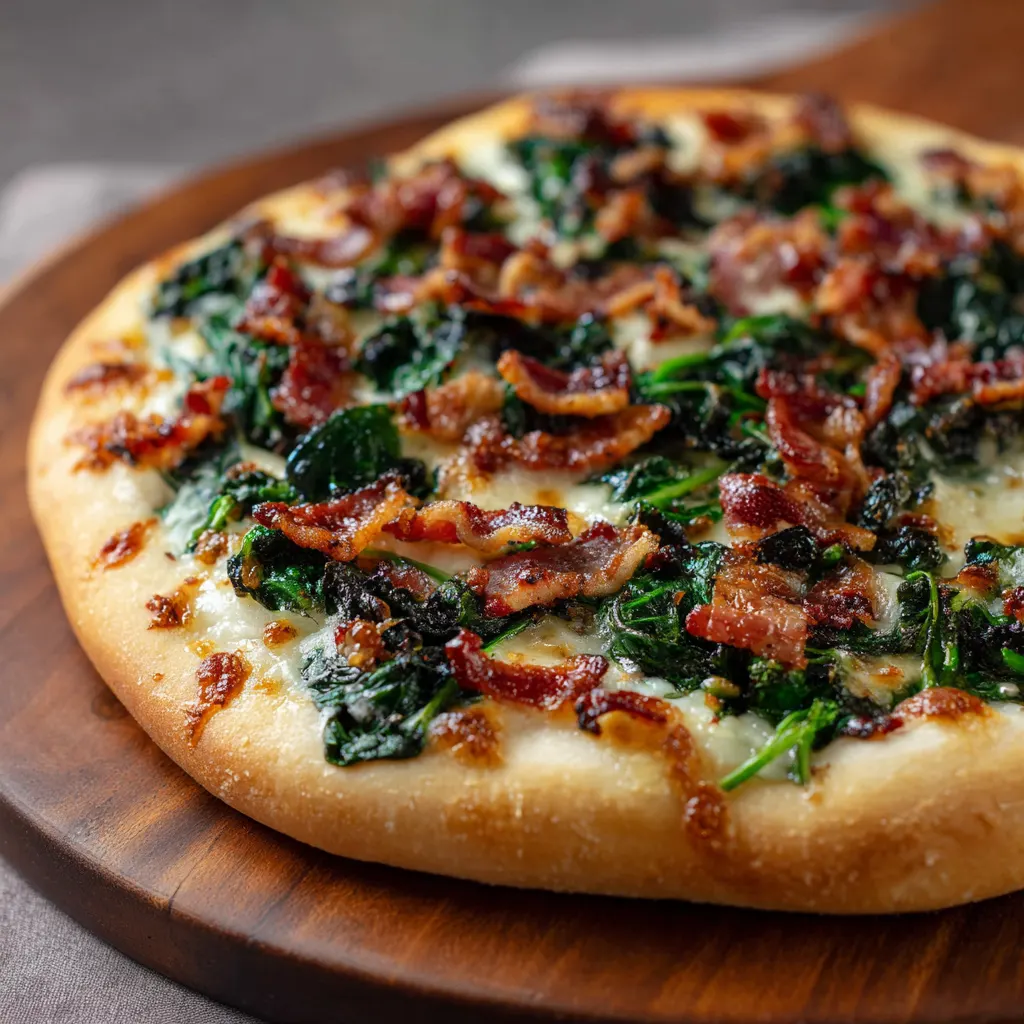
The spinach and bacon pizza stands as a testament to perfect culinary balance, offering the deeply savory, salty crunch of cured pork contrasted beautifully by the earthy, slightly bitter notes of fresh greens. While many pizzas rely on a bold red sauce, this classic combination truly shines on a creamy, garlicky white base, creating a richness that transforms a simple dinner into a satisfying, gourmet experience. The key to unlocking its full potential lies in proper ingredient preparation, ensuring the bacon is shatteringly crisp and the spinach doesn’t water down the dough. This guide provides the foundation for an optimized white pie recipe, followed by advanced tips and customizations to elevate your baking.
Ingredients
For the Pizza:
-
1 lb. (450g) prepared pizza dough (store-bought or homemade)
-
6 slices thick-cut bacon, cooked and crumbled
-
5 oz. fresh baby spinach, divided
-
1 large clove garlic, minced (for spinach sauté)
-
2 cups (8 oz.) whole milk low-moisture mozzarella cheese, shredded
-
½ cup freshly grated Parmesan cheese
-
Optional Garnish: Crushed red pepper flakes, flaky sea salt
For the Garlic Parmesan White Sauce (Béchamel Style):
-
2 tablespoons unsalted butter
-
2 tablespoons all-purpose flour
-
¾ cup whole milk, warmed
-
2 cloves garlic, minced
-
¼ teaspoon sea salt
-
⅛ teaspoon black pepper
-
¼ cup freshly grated Parmesan cheese
Step-by-Step Instructions
-
Prep the Toppings: Cook the bacon until very crispy. Drain excess fat, reserving about 1 teaspoon, and crumble the bacon onto a paper towel-lined plate. Set aside.
-
Sauté the Spinach: In a medium skillet, heat the reserved bacon fat or 1 teaspoon of olive oil over medium heat. Add the minced garlic and sauté for 30 seconds until fragrant. Add the spinach (3 oz. of the 5 oz. total) and a pinch of salt. Cook, stirring, just until wilted (about 60–90 seconds). Immediately remove the spinach, squeeze out excess liquid using paper towels or a fine-mesh sieve, and set aside. (This step prevents a soggy crust.)
-
Make the White Sauce: In a small saucepan, melt the butter over medium heat. Whisk in the flour and cook for 1 minute to create a roux. Slowly whisk in the warm milk until smooth. Bring the mixture to a gentle simmer, stirring constantly, until thickened (about 2–3 minutes). Remove from heat. Stir in the 2 minced garlic cloves, salt, pepper, and ¼ cup Parmesan cheese.
-
Preheat and Prepare Dough: Place a pizza stone or baking steel in the oven and preheat to 450°F (232°C) for at least 30 minutes. If using a baking sheet, preheat it with the oven. Lightly dust a pizza peel or flat surface with cornmeal or flour. Stretch or roll the dough into your desired shape (12-14 inches).
-
Assemble the Pizza: Spread the warm white sauce evenly over the dough, leaving a ½-inch border. Distribute the shredded mozzarella cheese over the sauce. Top evenly with the sautéed and drained spinach and the crumbled bacon. Scatter the remaining 2 oz. of fresh baby spinach leaves over the top.
-
Bake: Carefully transfer the pizza onto the preheated stone or baking sheet. Bake for 10 to 15 minutes, rotating halfway through, until the crust is golden brown and the cheese is bubbly and lightly browned.
-
Finish and Serve: Remove the pizza from the oven. Immediately sprinkle with the remaining ½ cup of grated Parmesan cheese. Let cool for 2–3 minutes before slicing and garnishing with crushed red pepper flakes, if desired.
Mastering the Core Ingredients: Bacon, Spinach, and Cheese Synergy
The profound appeal of spinach and bacon pizza lies in the interplay between its three namesake components. Optimizing each ingredient’s texture and flavor is crucial for a superior final product.
The Art of Crispy Bacon
The greatest pitfall of using bacon on pizza is moisture and texture. Soggy, undercooked bacon is a flavor inhibitor. Always cook the bacon before assembly. You have three primary methods:
-
Stovetop Frying: The quickest method, but ensure it is cooked to near-crispiness, drained thoroughly, and crumbled.
-
Oven Baking (Recommended): Lay bacon slices on a foil-lined baking sheet and bake at 400°F (200°C) for 15–20 minutes. This yields uniformly flat, crispy slices perfect for crumbling, and the rendered fat can be saved for the sauce base or sautéing the spinach, adding depth of flavor.
-
Candied Bacon: For a sweeter, more complex savory note, some recipes suggest tossing the pre-cooked bacon pieces in a small amount of brown sugar or maple syrup before the final bake. This creates a sticky, caramelized crunch that enhances the salty profile.
The Moisture Problem: Preparing Spinach
Spinach contains a massive amount of water, which, if added raw in large quantities, will steam the dough and result in a pale, gluey crust.
-
Sautéing and Draining: The best practice is to briefly sauté the majority of the spinach with garlic or olive oil until it wilts completely, then press or squeeze out all excess moisture before topping the pizza. This concentrates the spinach flavor and prevents dough sogginess.
-
Raw Spinach Topping: While some recipes call for adding fresh spinach raw, it should only be done in small quantities or layered under the cheese. The raw leaves added towards the end (as in the optimized recipe) wilt beautifully during the final minutes of baking, providing a fresh green pop without impacting the crust structure.
The Perfect Cheese Blend
The standard cheese for this pizza is low-moisture mozzarella for its melt factor. However, incorporating stronger, sharper, or creamier cheeses elevates the experience:
-
Parmesan: Necessary for its salty, nutty depth, often incorporated into a white sauce or grated over the finished product.
-
Feta: A widely popular addition, providing salty, tangy bursts that cut through the richness of the bacon and white sauce.
-
Ricotta: Dollops of fresh ricotta can be added after the initial bake for pockets of cool, creamy texture, complementing the salty bacon.
The Sauce Evolution: From White Pie to Pesto Perfection
While the optimized recipe uses a rich, classic Béchamel-style white sauce, the beauty of this pizza lies in its flexibility to adapt to various flavor bases, each offering a distinct experience.
The Classic Garlic White Sauce
This base is typically a simple roux (butter and flour) thinned with milk and flavored heavily with garlic and Parmesan. It acts as a neutral, creamy canvas that allows the distinct flavors of spinach and bacon to dominate. It is essential to ensure the sauce is thick enough; too thin, and it will absorb into the dough.
A Tangy Twist: Ranch or Garlic Oil
For a quicker or more robust flavor, two non-traditional sauces work exceptionally well:
-
Ranch Dressing: A common American adaptation, ranch offers tanginess and herbal notes (dill, chives) that pair surprisingly well with smoky bacon and the raw, peppery bite of some spinach. This is often used as a simple cold base.
-
Garlic Olive Oil Base: For a light, Neapolitan-style experience, brush the dough with a quality olive oil infused with fresh minced garlic, a sprinkle of salt, and oregano. This base highlights the freshness of the spinach and the salty crunch of the bacon without adding dairy richness.
Deep Flavor: Pesto and Tomato Combinations
To inject more umami and acidity, consider variations that move beyond the white base:
-
Sun-Dried Tomato Pesto: A highly effective, complex base. Blending sun-dried tomatoes (often oil-packed), Parmesan, pine nuts, and garlic creates a savory, concentrated flavor that beautifully balances the fattiness of the bacon.
-
Classic Marinara with Ricotta: If you prefer a red sauce, use a minimal amount of a slow-simmered, concentrated marinara. Dollops of fresh ricotta or a blend of Parmesan and mozzarella should be used to provide the creamy element typically found in a white pie, preventing the acidity from overpowering the greens.
Customization and Technique for the Gourmet Home Chef
Achieving restaurant-quality pizza at home is less about the ingredients and more about technique and heat.
Baking Techniques for a Crispy Crust
The enemy of a good pizza is low oven temperature and a cold baking surface.
-
High Heat is Non-Negotiable: Preheat your oven to the highest setting possible, usually 450°F–500°F (230°C–260°C).
-
The Pizza Stone or Steel: A stone or steel should be placed on the middle rack and preheated for a minimum of 30 minutes. This thermal mass instantly delivers intense heat to the bottom of the dough, creating the airy, crispy-chewy texture typical of artisanal pizza. If using a baking sheet, preheat the sheet itself.
-
Par-Baking: If you are using a very wet sauce (like a thin Béchamel) or a heavy crust, consider par-baking the dough (baking the crust alone for 5–8 minutes) before adding the sauce and toppings. This sets the base and guarantees a crisp bottom.
Enhancing the Flavor Profile with Add-Ins
While spinach and bacon form the core, thoughtfully chosen additions can elevate the complexity:
-
Caramelized Onions: Slow-cooked onions add a profound, concentrated sweetness that contrasts the salty bacon. They should be prepared until deeply golden and soft before being added to the pizza.
-
Diced Tomatoes: Adding small, diced Roma tomatoes (as seen in some “BLT” inspired versions) provides acidity and a burst of freshness.
-
Mushrooms: Sautéed mushrooms, particularly cremini or shiitake, contribute an earthy, meaty texture that complements the spinach. Ensure they are cooked until all moisture is released to avoid wetting the pizza.
-
Herbs: Fresh herbs should be applied post-bake. A sprinkle of fresh basil, thyme, or oregano adds a final aromatic layer that brightens the overall flavor.
Beyond the Slice: Serving, Pairing, and Storage
A truly great pizza experience extends beyond the baking process; it includes how the dish is presented and paired.
Ideal Pairings
The richness of a spinach and bacon white pizza calls for pairings that cut through the fat and cleanse the palate.
-
Wine: Look for crisp, high-acidity white wines like a dry Sauvignon Blanc or a vibrant Pinot Grigio. Their citrus and mineral notes provide a refreshing counterpoint to the salty bacon and creamy sauce.
-
Beer: A pale, hop-forward IPA works well, as its bitterness balances the richness. For a smoother match, consider a light, crisp Pilsner or a classic Lager.
-
Side Dish: The perfect accompaniment is a simple, peppery Arugula Salad dressed lightly with lemon juice, olive oil, and a dusting of shaved Parmesan. This offers necessary greenery and acidity to balance the meal.
Storage and Reheating
While pizza is best enjoyed immediately, leftovers are inevitable.
-
Storage: Store cooled slices in an airtight container in the refrigerator for up to three days.
-
Reheating (The Crispy Method): Avoid the microwave, which results in a rubbery crust. For the best texture, place individual slices directly onto a preheated cast-iron skillet over medium heat. Cover the pan loosely with foil (or a lid slightly ajar) and heat for 3–5 minutes until the bottom is crisp and the cheese is melted and hot. Alternatively, use a toaster oven for 5 minutes at 350°F (175°C).