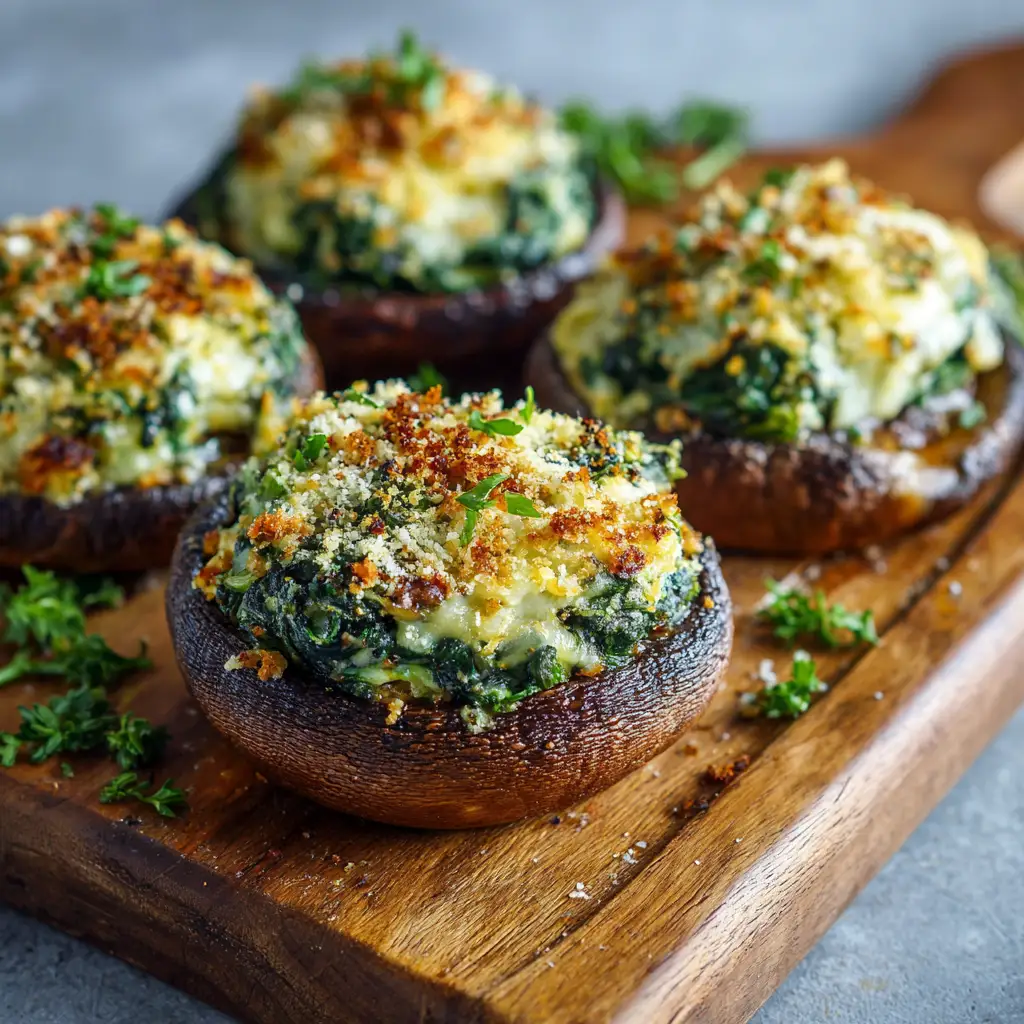
Spinach and Cheese Stuffed Portobello Mushrooms stand out as a truly versatile culinary masterpiece. They are robust enough to serve as a satisfying vegetarian main course, yet elegant and refined enough to be the perfect side dish for a steak or roast. The dish combines the hearty, umami flavor and meaty texture of a large portobello mushroom cap with a rich, creamy, and savory filling of fresh spinach and multiple complementary cheeses. This guide distills the best techniques and flavor combinations from top chefs and home cooks to deliver a definitive, optimized recipe that promises a perfectly cooked mushroom and a golden, bubbly filling every time.
Ingredients
This recipe is optimized for four large Portobello mushroom caps, serving 4 as a main course or 8 as an appetizer.
For the Portobello Caps:
-
4 large Portobello mushroom caps, about 5–6 inches in diameter
-
2 Tbsp extra virgin olive oil, divided
-
½ tsp salt, divided
-
¼ tsp black pepper, divided
-
1 Tbsp balsamic vinegar (optional, for marinade)
For the Creamy Three-Cheese Filling:
-
2 Tbsp extra virgin olive oil
-
½ cup finely chopped onion or shallot
-
2 cloves garlic, minced
-
2 cups fresh spinach, finely chopped OR 10 oz frozen chopped spinach, thawed and squeezed dry
-
½ cup cream cheese, softened (or light whipped cream cheese)
-
¼ cup shredded mozzarella cheese (for the mix)
-
¼ cup grated Parmesan cheese
-
½ tsp Italian seasoning
-
¼ tsp crushed red pepper flakes (optional)
For the Topping:
-
½ cup shredded mozzarella cheese
-
2 Tbsp Panko breadcrumbs (optional, for crunch)
-
1 Tbsp fresh parsley, chopped (for garnish)
Step-by-Step Instructions
1. Prepare the Portobello Caps (Pre-Baking): Preheat your oven to 400°F (200°C). Gently clean the mushroom caps by wiping off any dirt with a damp paper towel. Do not wash them under running water, as they absorb moisture quickly. Carefully twist or cut off the stems. Use a spoon to gently scrape out the dark gills from the inside of the caps; this prevents the final dish from turning watery and creates more room for the filling.
Brush both the inside and outside of the caps with 1 tablespoon of olive oil, and season lightly with salt and pepper. Place the caps, gill-side down, on a foil-lined baking sheet. Bake for 10 to 12 minutes to release initial moisture.
2. Prepare the Filling Base: While the mushrooms are pre-baking, begin the filling. Heat the remaining 1 tablespoon of olive oil in a skillet over medium heat. Add the chopped onion or shallot and sauté for 3-5 minutes until softened. Add the minced garlic and cook for another minute until fragrant.
If you reserved the mushroom stems, chop them finely and add them to the skillet now, cooking until they begin to caramelize, about 3 minutes.
3. Cook and Squeeze the Spinach: If using fresh spinach, add it to the skillet and cook until fully wilted and the released liquid has evaporated. If using thawed frozen spinach, ensure you have squeezed it as dry as possible using a fine-mesh sieve or a clean kitchen towel. Add the squeezed spinach to the skillet and cook briefly (1-2 minutes) to ensure any residual moisture is gone. Moisture control is critical for a firm filling. Remove the skillet from the heat and allow the mixture to cool slightly.
4. Combine the Filling: In a medium mixing bowl, combine the softened cream cheese, ¼ cup mozzarella, grated Parmesan, Italian seasoning, and red pepper flakes (if using). Add the cooled spinach and aromatic mixture from the skillet. Stir thoroughly until all ingredients are evenly combined and the filling is creamy and cohesive. Taste and adjust seasoning with additional salt and pepper as needed.
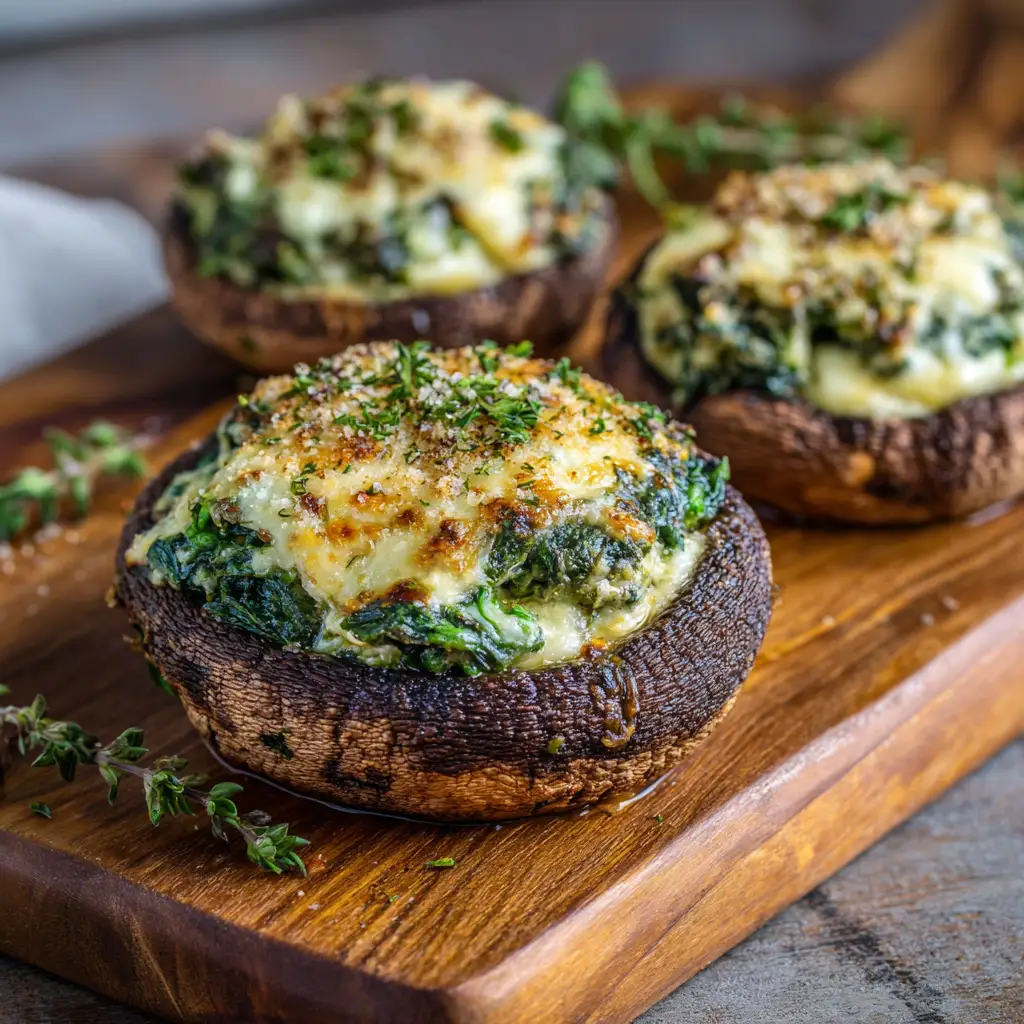
5. Stuff and Final Bake: Remove the pre-baked mushrooms from the oven. If any liquid has accumulated inside the caps, gently blot or pour it off. Flip the mushrooms over so the cavity is facing up. Divide the spinach and cheese filling evenly among the four caps, mounding it generously. Sprinkle the remaining ½ cup of mozzarella cheese over the top of the filling, followed by an optional dusting of Panko breadcrumbs for a crispy crust.
Return the stuffed mushrooms to the oven (still at 400°F/200°C). Bake for an additional 12 to 15 minutes, or until the mushroom is tender and the cheese topping is golden brown and bubbly. If you desire a darker crust, you can briefly switch the oven to broil for the last 1–2 minutes, watching carefully to prevent burning.
6. Serve: Garnish immediately with fresh chopped parsley and serve hot.
Mastering the Mushroom: Preparation Secrets
The success of any stuffed mushroom recipe hinges on the preparation of the cap itself. Portobello mushrooms are known for their high water content, and failing to manage this moisture is the single biggest culprit behind a soggy, waterlogged final dish.
Selecting the Perfect Cap
Always choose Portobello caps that are large, firm, and robust. Look for mushrooms that are uniform in shape, as this makes stuffing and cooking easier. The edges should be slightly curled up, creating a deep, natural bowl to hold the generous filling. Avoid mushrooms that feel rubbery or look slimy, or those with significant blemishes or bruises. Since mushrooms shrink slightly during cooking, starting with a large cap ensures a hearty serving size.
Cleaning and Gills: The Moisture Control Strategy
The rule of thumb for mushrooms is never to submerge them in water. Use a damp paper towel or a soft mushroom brush to gently wipe away any visible dirt or grit from the surface.
The Gill Dilemma (To Scrape or Not to Scrape?): Portobello mushrooms have deep, dark brown gills on the underside of the cap. These gills contain a high amount of moisture, and they also release a dark liquid during baking that can discolor the creamy white filling. For the best presentation and texture, it is highly recommended to gently remove the gills. Use a spoon to scrape them out, starting from the center and working toward the rim. This step not only eliminates excess moisture but also maximizes the space available for your savory filling.
The Critical Pre-Bake
Pre-baking or “sweating” the mushroom caps is non-negotiable for an optimal result. When mushrooms heat up, they release much of their internal water content. If you stuff them raw, this water floods the cap during the main bake, making the filling watery and the mushroom unappealingly spongy.
By baking the empty, seasoned caps at a high heat (400°F–425°F) for 10 to 15 minutes, you allow this moisture to evaporate or pool in the cavity. Before stuffing, simply drain or blot away any liquid that has collected. This crucial step ensures that when the filling is added, the mushroom is already partially tenderized and ready to hold its shape and absorb flavor without becoming a soup bowl.
The Creamy Filling Deep Dive & Flavor Foundation
While the Portobello provides the foundation, the filling is where flavor complexity is built. An optimized filling must strike a balance between rich creaminess, earthy savoriness, and structural integrity.
Spinach Preparation: The Squeeze Test
Whether you choose fresh or frozen spinach, moisture removal is the most vital step. Spinach contains an enormous amount of water, and if not thoroughly dried, it will ruin the texture of the cheese filling, turning it soft and runny.
-
Fresh Spinach: Must be wilted thoroughly in a skillet until all the moisture has cooked off.
-
Frozen Spinach: The easiest method is to thaw it completely, then place it in a clean kitchen towel or cheesecloth. Twist the towel vigorously to squeeze out every drop of water. This process results in a dense, concentrated spinach component that integrates perfectly into the cheese base without introducing excess liquid.
The Role of Cheese: Building the Perfect Texture
The best stuffed portobellos utilize a blend of cheeses, each serving a distinct purpose:
-
The Binder (Structure and Creaminess): Cream Cheese (as used in the core recipe), Ricotta, or Cottage Cheese serves as the sticky, creamy foundation that holds the filling together. Cream cheese provides a decadent richness, while ricotta or cottage cheese (often mixed with an egg) offers a lighter, lasagna-like texture.
-
The Melter (Stringy Goodness): Mozzarella is essential. Shredded mozzarella is mixed into the filling for internal melt and sprinkled on top to create the golden, bubbly crust.
-
The Flavor Layer (Umami and Salt): Parmesan is almost always included, adding a salty, sharp umami punch that complements the earthiness of the mushroom.
For a filling that is both structurally sound and intensely flavored, always use freshly grated hard cheeses (like Parmesan) and ensure your binder (cream cheese or ricotta) is at room temperature for smooth mixing.
Building the Aromatic Base
A simple sauté of aromatics is the key to deep flavor. Sautéing finely chopped garlic and shallots or onion in olive oil until translucent mellows their sharp bite and concentrates their sweetness. Adding the chopped mushroom stems to this mixture further enhances the earthy mushroom flavor within the filling itself, maximizing culinary impact while minimizing food waste. Seasoning should include Italian herbs like oregano and basil, and possibly a dash of paprika for color and subtle sweetness.
Variations, Dietary Swaps, and Optimization
Once you master the basic technique, stuffed portobellos are an ideal canvas for culinary creativity. You can adapt them easily to suit different palates or dietary needs.
Gourmet Cheese Swaps
Experimenting with different cheese combinations can dramatically change the profile of the dish:
-
Mediterranean Style: Substitute the cream cheese and mozzarella blend with Feta and Ricotta. Add sun-dried tomatoes, Kalamata olives, and a pinch of dried oregano. Finish with bocconcini (small mozzarella balls) and a drizzle of balsamic glaze after baking.
-
Tangy & Sophisticated: Use Goat Cheese as the primary binder. Its characteristic tang pairs beautifully with the earthy mushroom. Mix with Parmesan and fresh thyme. Shallots work better than onions in this blend for a more delicate flavor.
-
Low-Fat Lightened Up: Use light whipped cream cheese or low-fat cottage cheese (blended smooth) mixed with part-skim mozzarella. Maximize flavor with fresh herbs like basil and chives, and rely on the Parmesan for saltiness, reducing the overall fat content without sacrificing texture.
Heartiness and Protein Additions
While a fantastic vegetarian dish, stuffed portobellos easily accommodate meat and other proteins to become a complete, high-protein meal:
-
Italian Sausage: Cooked and crumbled sweet or hot Italian sausage adds a traditional layer of fennel and spice.
-
Pepperoni or Bacon: Finely chopped and cooked until crispy, adding a smoky, salty depth.
-
Ground Poultry/Beef: Cooked, lean ground turkey or beef can be mixed into the filling for a more substantial texture, making the dish comparable to a meatball in a shell.
-
Panko and Crunch Toppings: For texture contrast, mix Panko breadcrumbs with melted butter, Parmesan, and a pinch of salt. Sprinkle this mixture generously over the mozzarella topping before the final bake. The Panko will crisp up to a perfect golden crunch, providing a necessary foil to the creamy filling. You can substitute crushed pork rinds for a low-carb alternative.
Dietary and Lifestyle Adaptations
-
Keto/Low-Carb: This dish is naturally low-carb. To make it strictly Keto, simply omit the Panko breadcrumbs or use crushed nuts (like walnuts or pecans) or pork rinds as a substitute for crunch. Ensure the cream cheese or ricotta used has no added sugar.
-
Vegan/Dairy-Free: Substitute the cheese blend with a cashew-based cream cheese or a mix of nutritional yeast, finely ground blanched almonds (or pine nuts), and a good quality vegan mozzarella. Incorporate a tablespoon of lemon juice for a cheesy tang and ensure plenty of garlic and herbs are used to boost savory depth.
-
Gluten-Free: The standard recipe is naturally gluten-free, provided you skip the Panko topping.
Beyond the Oven: Serving, Storage, and Meal Prep
These hearty stuffed mushrooms are incredibly satisfying, whether you are preparing a quick weeknight dinner or an elegant weekend appetizer. Knowing how to serve and handle leftovers ensures you get the most out of your efforts.
Elegant Serving and Pairing
Spinach and cheese stuffed portobellos are versatile enough to feature as the star or a supporting player on your plate.
-
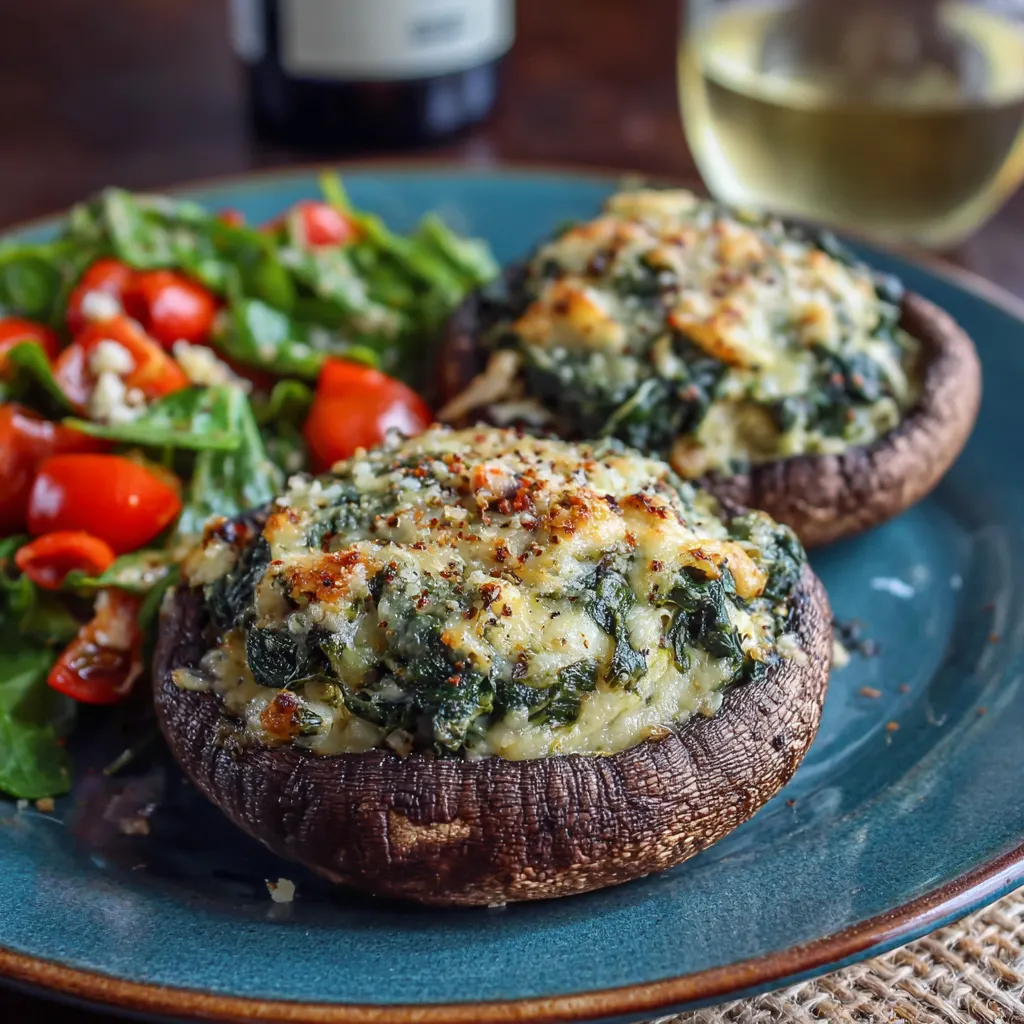
As a Main Course: Serve alongside simple, fresh sides that offer contrast. A crisp Italian chopped salad, lemony grilled asparagus, or a side of steamed green beans tossed with olive oil and sea salt will cut through the richness of the cheese. A drizzle of warm marinara or pesto over the finished mushrooms before serving is also a popular addition that adds a restaurant-quality touch.
-
As a Side Dish: Their earthy, savory profile pairs perfectly with grilled or roasted meats. Serve one cap alongside a grilled ribeye steak, roasted chicken breast, or baked salmon.
-
Beverage Pairings:
-
Wine: Choose a crisp, acidic white wine like an Italian Pinot Grigio or a dry Sauvignon Blanc, which cuts through the creaminess of the cheese. For reds, opt for something light-bodied and earthy, like a Pinot Noir or a light Chianti, to complement the mushroom’s flavor.
-
Beer: A light, slightly malty lager or an amber ale works well without overpowering the delicate flavors.
-
Make-Ahead and Storage Tips
Stuffed portobello mushrooms are generally best when baked immediately, as the raw filling can introduce moisture into the mushroom cap over time. However, you can save significant time with smart prep:
-
Make-Ahead Prep: You can completely prepare the cheese and spinach filling up to 24 hours in advance and store it tightly covered in the refrigerator. You can also clean and scrape the mushroom caps ahead of time, storing them unseasoned in a paper bag in the fridge.
-
Pre-Baking: If you choose to pre-bake the mushrooms, they should be stuffed and baked the same day.
-
Storage of Leftovers: Store any leftover baked mushrooms in an airtight container in the refrigerator for up to 3 days.
-
Reheating: To revive leftover stuffed mushrooms, avoid the microwave, which will result in a rubbery texture. Reheat them in a conventional oven or a toaster oven at 350°F (175°C) for 10 to 15 minutes, or until the filling is warmed through and the topping is slightly crisped again. This slow, dry heat method helps restore their original texture and flavor.