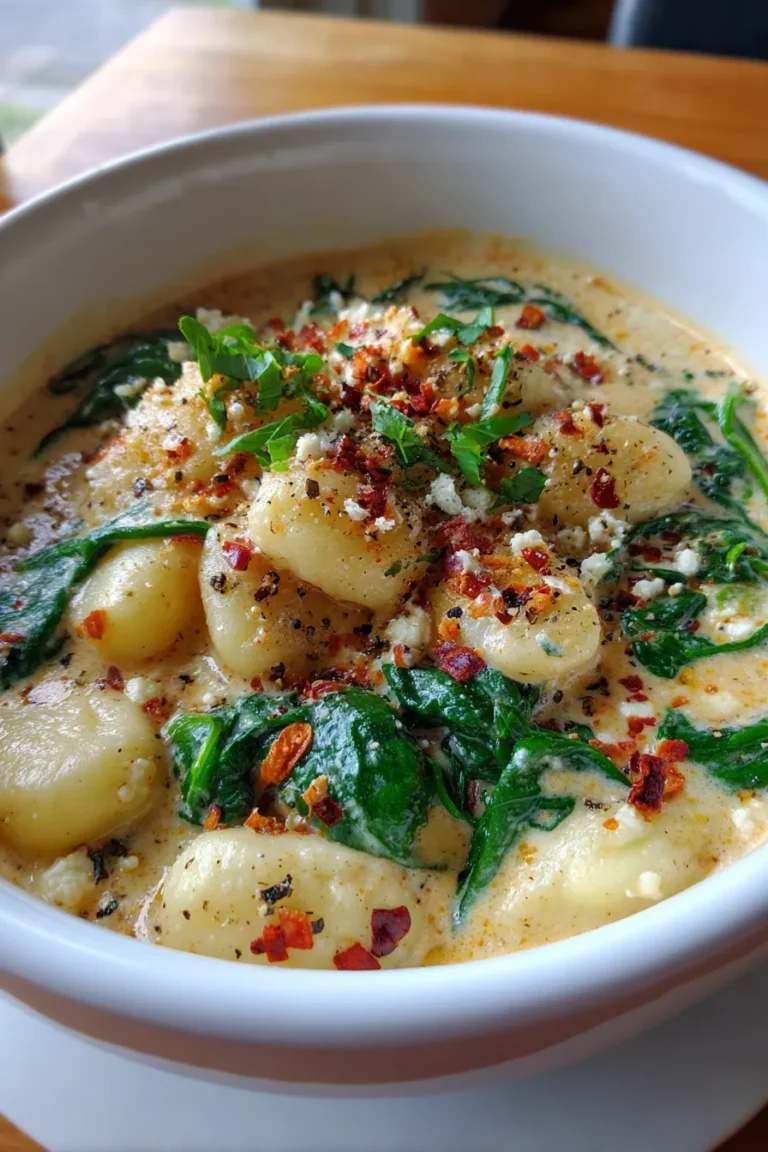
Spinach and Chicken Alfredo: A Creamy, Comforting Classic
Introduction: The Allure of Spinach and Chicken Alfredo
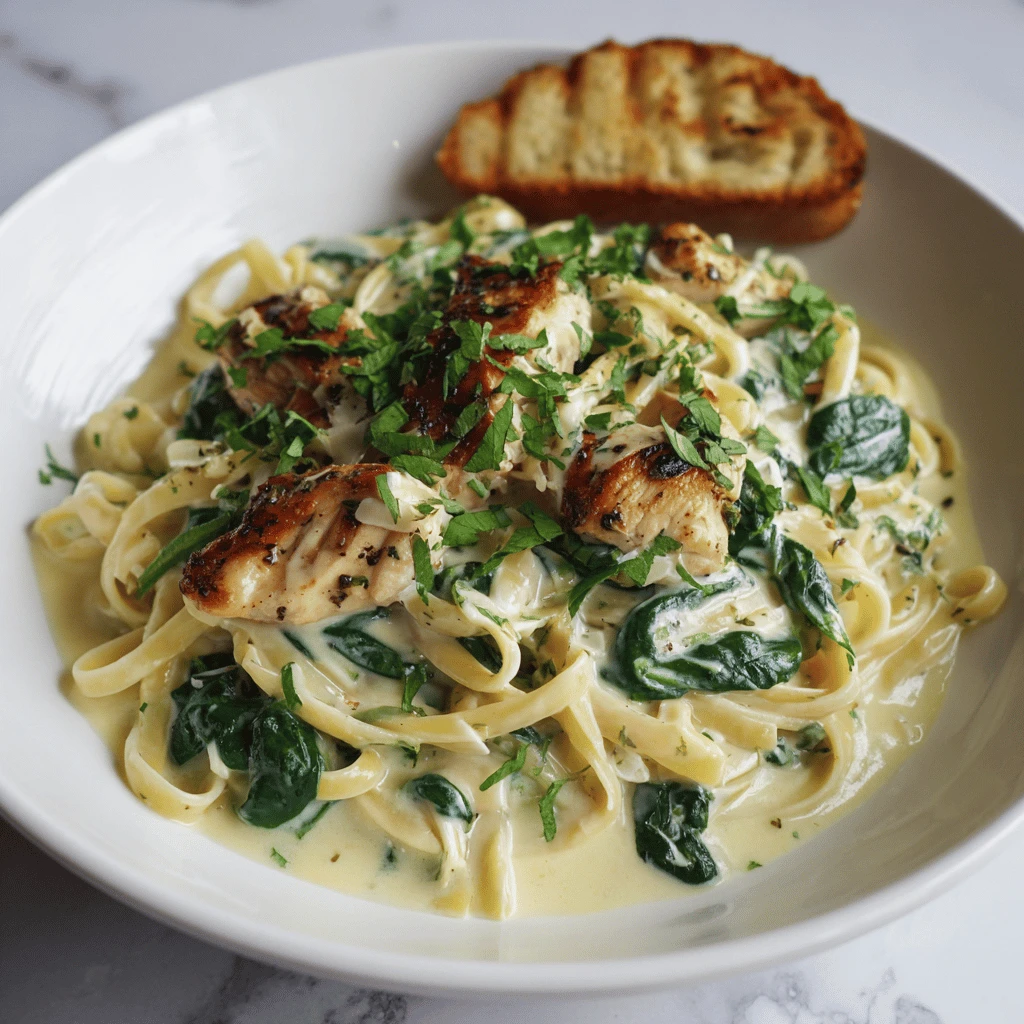
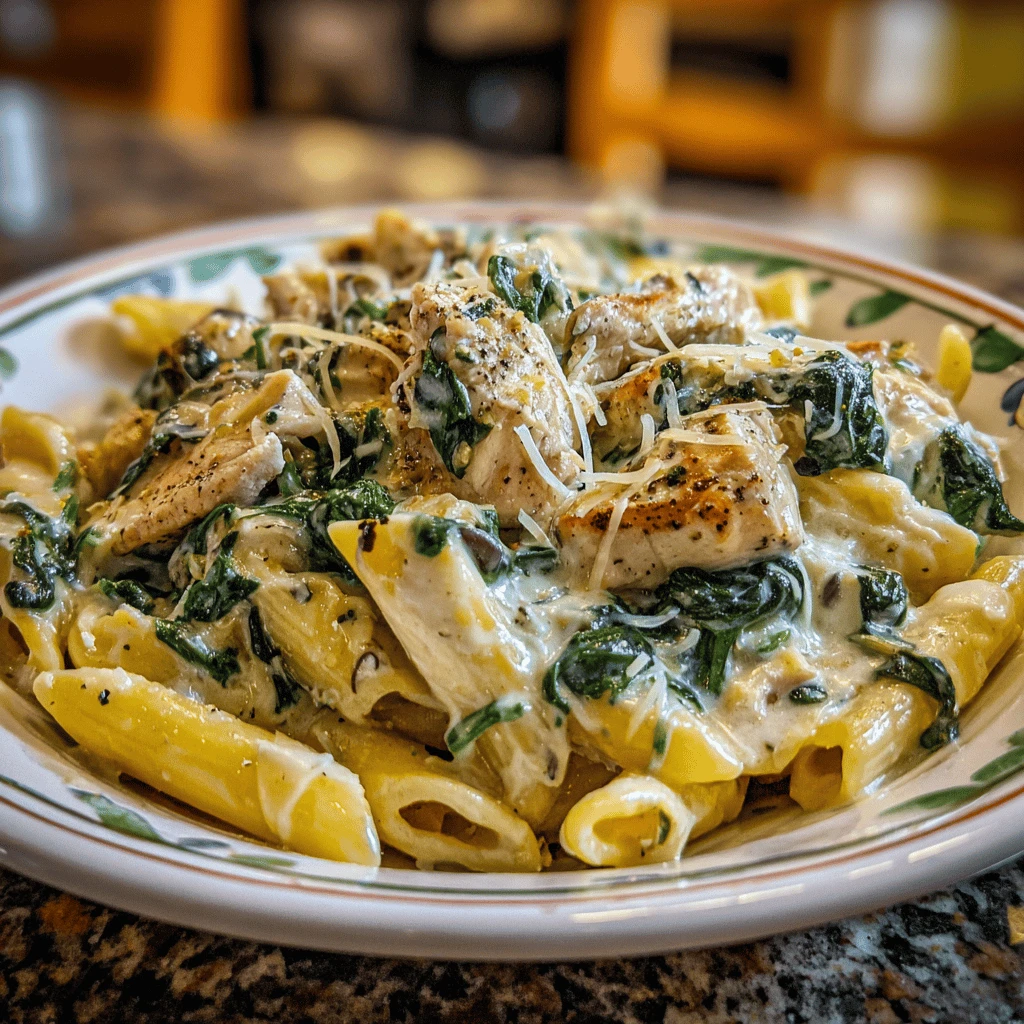
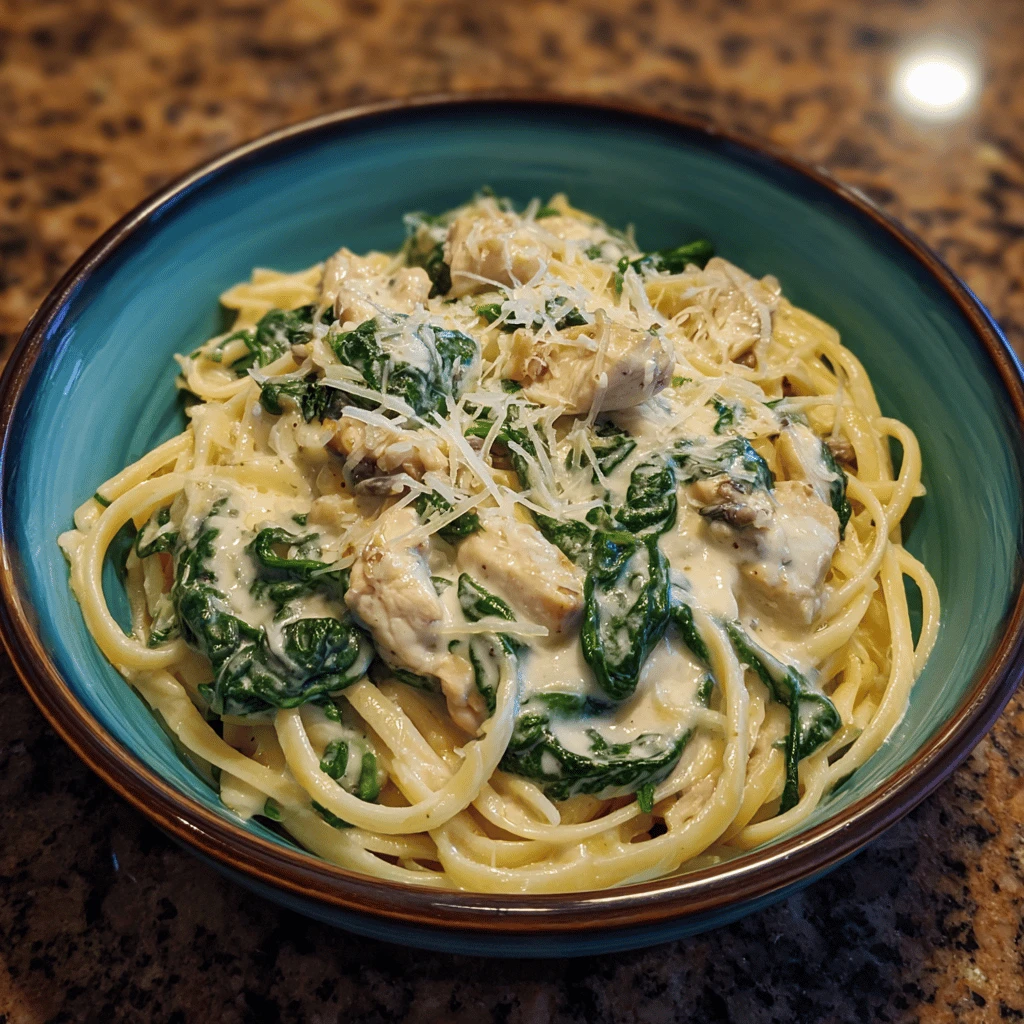
Spinach and Chicken Alfredo. The very name conjures images of creamy, comforting pasta dishes, perfect for a weeknight dinner or a special occasion. This delectable combination brings together tender chicken, nutritious spinach, and a rich, velvety Alfredo sauce, all draped over perfectly cooked pasta. But what makes this dish so universally loved? Its simplicity and adaptability. It’s easy to customize to your taste, making it a reliable favorite for families and individuals alike. This article explores the nuances of creating the perfect Spinach and Chicken Alfredo, offering tips, variations, and answers to your frequently asked questions.
Building Blocks: Key Ingredients and Their Roles
The success of any great dish lies in the quality of its ingredients. For Spinach and Chicken Alfredo, each component plays a vital role in achieving the desired flavor and texture.
The Chicken: Protein Powerhouse
Chicken provides the protein backbone of this dish. Boneless, skinless chicken breasts are the most common choice due to their lean nature and quick cooking time. However, chicken thighs offer a richer flavor and remain moist even when cooked at higher temperatures. Consider searing the chicken before adding it to the sauce to create a flavorful crust. Whether you prefer cubed, sliced, or shredded chicken is entirely up to you, but aim for uniform pieces to ensure even cooking. Seasoning the chicken well with salt, pepper, garlic powder, and perhaps a touch of paprika will enhance its overall taste.
The Spinach: Green Goodness
Spinach introduces both nutritional value and a subtle earthy flavor to the dish. Fresh spinach is preferred by many, as it retains more of its texture and nutrients. However, frozen spinach, when properly thawed and squeezed dry, works perfectly well and is often more convenient. Baby spinach is a popular choice due to its tender leaves and mild flavor. Before adding the spinach to the sauce, ensure it is thoroughly washed and any large stems are removed. Wilt the spinach gently in the Alfredo sauce until it softens and brightens in color.
The Alfredo Sauce: Creamy Dream
The Alfredo sauce is arguably the star of the show. A classic Alfredo sauce consists of butter, heavy cream, Parmesan cheese, and a touch of garlic. The key to a smooth, luscious sauce is to melt the butter gently, gradually whisk in the cream, and then slowly incorporate the Parmesan cheese, stirring constantly until it melts completely and the sauce thickens. Freshly grated Parmesan cheese is crucial for achieving the best flavor and texture. Avoid pre-grated cheese, as it often contains cellulose, which can prevent it from melting smoothly. Season the sauce with salt, pepper, and a pinch of nutmeg for a subtle warmth.
The Pasta: The Perfect Vessel
The pasta serves as the foundation for the entire dish. Fettuccine is the traditional choice for Alfredo sauce, its wide, flat shape perfectly coated in the creamy sauce. However, other pasta shapes like linguine, spaghetti, or even penne work equally well. Cook the pasta al dente, meaning it should be firm to the bite. This ensures that the pasta retains its texture and doesn’t become mushy when combined with the sauce. Reserve some of the pasta water before draining. The starchy water can be added to the Alfredo sauce to help thin it out and create a more cohesive sauce that clings beautifully to the pasta.
Cooking Process: Step-by-Step Guide to Success
Now that we’ve covered the key ingredients, let’s dive into the cooking process. Here’s a step-by-step guide to creating a delicious Spinach and Chicken Alfredo.
Preparing the Ingredients
1. Chicken: Cut the chicken breasts into bite-sized pieces. Season generously with salt, pepper, garlic powder, and paprika.
2. Spinach: Wash the fresh spinach thoroughly, removing any large stems. If using frozen spinach, thaw it completely and squeeze out any excess water.
3. Parmesan Cheese: Grate the Parmesan cheese finely. Freshly grated is always best.
4. Garlic: Mince the garlic.
5. Pasta: Bring a large pot of salted water to a boil.
Cooking the Chicken and Pasta
1. Cook the Pasta: Add the pasta to the boiling water and cook according to package directions, until al dente. Reserve about 1 cup of pasta water before draining.
2. Cook the Chicken: While the pasta is cooking, heat some oil in a large skillet over medium-high heat. Add the chicken and cook until browned and cooked through, about 5-7 minutes. Remove the chicken from the skillet and set aside.
Making the Alfredo Sauce
1. Melt the Butter and Garlic: In the same skillet, melt the butter over medium heat. Add the minced garlic and sauté for about 30 seconds, until fragrant. Be careful not to burn the garlic.
2. Add the Cream: Gradually whisk in the heavy cream. Bring the mixture to a simmer, stirring occasionally.
3. Incorporate the Parmesan Cheese: Reduce the heat to low and slowly whisk in the grated Parmesan cheese, stirring constantly until the cheese is completely melted and the sauce is smooth and thickened.
4. Season the Sauce: Season the Alfredo sauce with salt, pepper, and a pinch of nutmeg.
5. Add Spinach: Add the spinach to the sauce and cook until wilted, about 1-2 minutes.
Combining the Ingredients
1. Combine Chicken and Sauce: Add the cooked chicken back to the skillet with the Alfredo sauce and spinach. Stir to combine.
2. Add Pasta and Pasta Water: Add the drained pasta to the skillet and toss to coat. If the sauce is too thick, add a little of the reserved pasta water until it reaches your desired consistency.
3. Serve: Serve immediately, garnished with extra Parmesan cheese and a sprinkle of black pepper.
Variations and Customizations: Making It Your Own
One of the best things about Spinach and Chicken Alfredo is its versatility. Feel free to experiment with different ingredients and techniques to create a dish that perfectly suits your taste.
Protein Variations
While chicken is the most common choice, you can easily substitute it with other proteins. Shrimp, grilled salmon, or even sliced Italian sausage would be delicious alternatives. For a vegetarian option, consider adding sautéed mushrooms or roasted vegetables like broccoli or bell peppers.
Vegetable Additions
Beyond spinach, there are many other vegetables that complement Alfredo sauce beautifully. Sun-dried tomatoes, asparagus, peas, or artichoke hearts would all be excellent additions.
Spice It Up
If you like a little heat, add a pinch of red pepper flakes to the Alfredo sauce or sprinkle them over the finished dish. You could also use a spicy Italian sausage instead of chicken.
Cheese Variations
While Parmesan cheese is the traditional choice for Alfredo sauce, you can experiment with other cheeses. A blend of Parmesan and Romano cheese would add a sharper, more complex flavor. A touch of Gruyere or Fontina would add a creamy, nutty note.
Creamy Alternatives
For a lighter version of Alfredo sauce, you can use half-and-half instead of heavy cream, but be aware that it will result in a less rich and less thick sauce. You can also add a tablespoon or two of cream cheese to the sauce for extra creaminess and tang.
A Touch of Lemon
A squeeze of fresh lemon juice at the end adds a bright, acidic note that cuts through the richness of the Alfredo sauce and balances the flavors perfectly.
Tips and Tricks: Achieving Alfredo Perfection
To ensure your Spinach and Chicken Alfredo is a resounding success, here are some helpful tips and tricks to keep in mind.
- Use Freshly Grated Parmesan: As mentioned earlier, freshly grated Parmesan cheese is essential for the best flavor and texture.
- Don’t Overcook the Sauce: Overcooking the Alfredo sauce can cause it to separate and become greasy. Keep the heat low and stir constantly to prevent this.
- Adjust the Consistency: If the sauce is too thick, add a little pasta water or cream to thin it out. If it’s too thin, simmer it for a few more minutes to allow it to thicken.
- Season Generously: Don’t be afraid to season the sauce and chicken generously with salt, pepper, and other seasonings. Taste as you go and adjust accordingly.
- Serve Immediately: Alfredo sauce is best served immediately, as it can thicken as it sits. If you need to make it ahead of time, keep it warm over low heat and add a little cream or pasta water to thin it out before serving.
- Warm the Plates: Serve the Alfredo on warm plates to keep it from cooling down too quickly.
- Garnish Generously: Garnish the dish with extra Parmesan cheese, freshly ground black pepper, and a sprinkle of fresh parsley or basil for a pop of color.
- Garlic Infusion: Gently warm minced garlic in the butter until fragrant, but do not brown or burn.
- Prevent Clumping: Whisking the sauce continuously over low heat can help avoid cheese clumping.
- Temperature Control: Ensuring the heat is kept low during sauce preparation helps prevent burning or separation.
FAQs: Addressing Common Questions
Can I use frozen chicken?
Yes, but thaw it completely before cooking and pat it dry to ensure it browns properly.
Can I make this dish ahead of time?
While best served immediately, you can prepare the sauce ahead of time and reheat it gently, adding a little cream or pasta water to thin it out. Cook the pasta fresh.
How do I store leftovers?
Store leftovers in an airtight container in the refrigerator for up to 3 days. Reheat gently in a skillet or microwave.
Can I freeze Spinach and Chicken Alfredo?
Freezing is not recommended, as the sauce can separate and become grainy when thawed.
What other cheeses can I use?
Romano, Gruyere, or Fontina can be added to or used in place of some of the Parmesan cheese.
How can I make this lower in calories?
Use half-and-half instead of heavy cream, reduce the amount of butter and cheese, and use whole-wheat pasta.
Can I add other spices besides nutmeg?
Yes, try adding a pinch of cayenne pepper for a little heat or some dried Italian herbs for extra flavor.
How can I make this gluten-free?
Use gluten-free pasta. Ensure any other ingredients like cream cheese or butter do not contain gluten.
How do I prevent the sauce from being too thick?
Adding a little pasta water at the end helps to thin the sauce.
What are good side dishes to serve with this?
A simple green salad, garlic bread, or roasted vegetables would be great accompaniments.