Spinach and Chickpea Curry with Coconut Milk: The Ultimate One-Pot Weeknight Staple
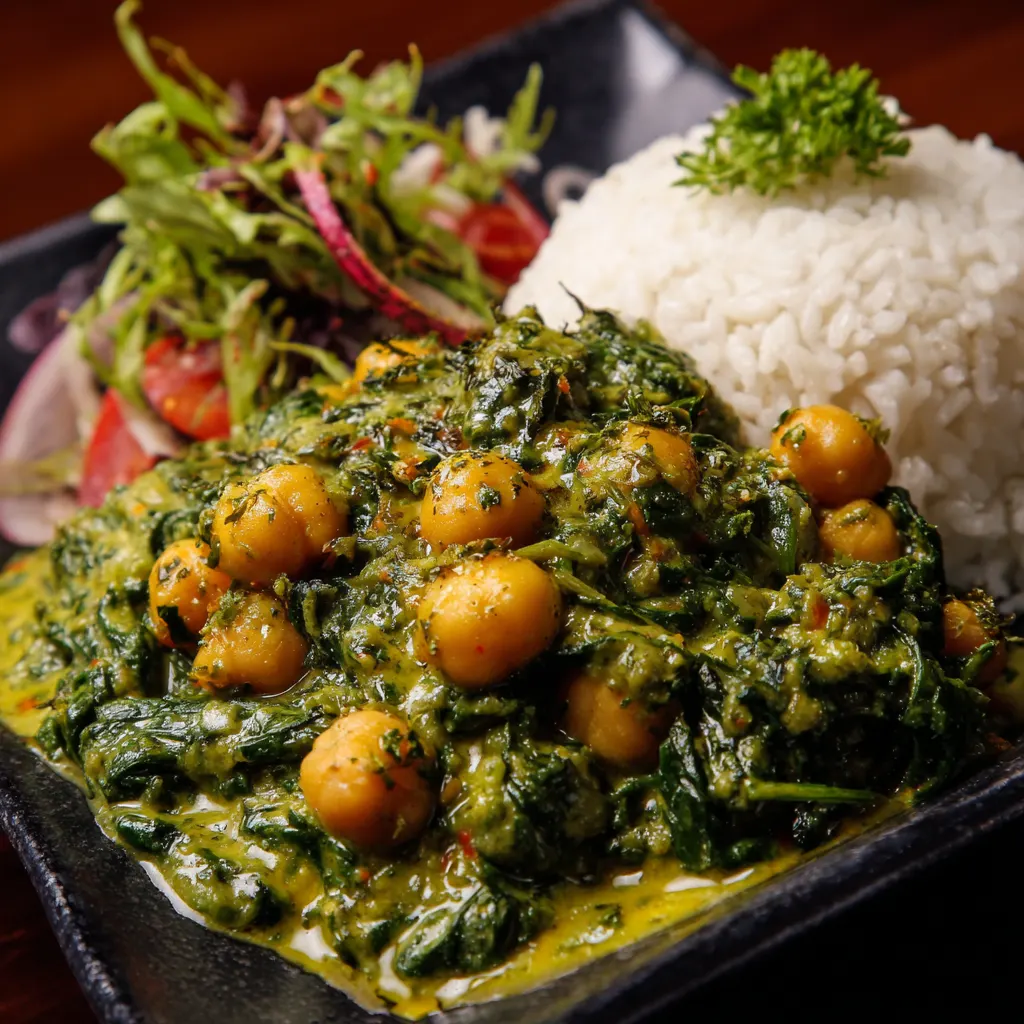
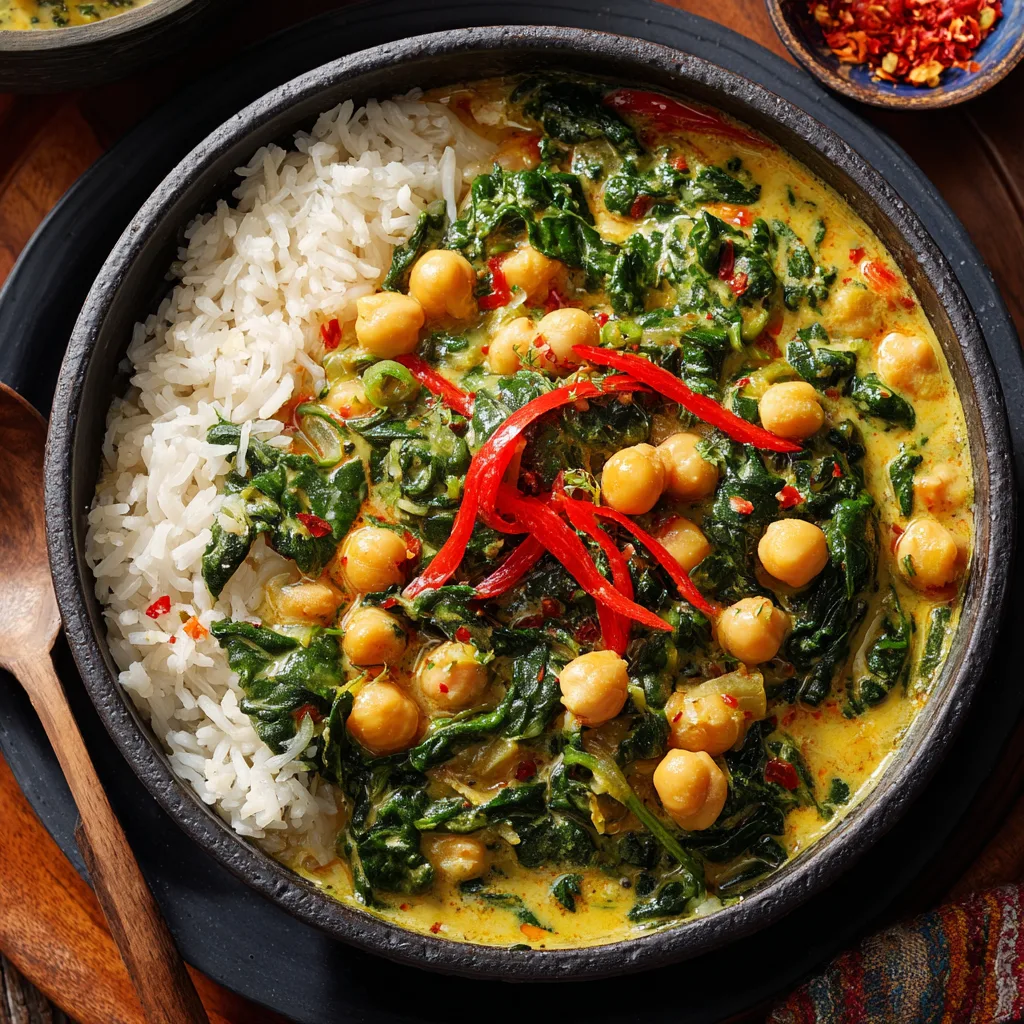
The Spinach and Chickpea Curry with Coconut Milk is more than just a quick meal; it is a globally beloved culinary staple that delivers deep, complex flavor and satisfying texture in a single pot. Creamy, comforting, and naturally vegan and gluten-free, this dish balances the warmth of toasted spices with the richness of full-fat coconut milk and the earthy heartiness of chickpeas. Whether you are seeking a rapid weeknight dinner, a healthy meal prep solution, or a rich, satisfying vegetarian option, this simple recipe provides the perfect foundation for a flavorful feast. It is the epitome of comfort food, proving that a meal built from pantry essentials can be both profoundly nutritious and utterly delicious.
Essential Ingredients
-
2 Tbsp coconut oil or preferred cooking oil
-
1 large yellow onion, finely diced
-
3 cloves garlic, minced
-
1 Tbsp fresh ginger, grated (or ginger paste)
-
1 Tbsp curry powder (medium heat)
-
1 tsp ground cumin
-
1 tsp ground turmeric
-
½ tsp garam masala
-
½ tsp sea salt (or to taste)
-
1 (14.5 oz) can diced tomatoes, undrained
-
1 (13.5 oz) can full-fat coconut milk
-
2 (15 oz) cans chickpeas (garbanzo beans), drained and rinsed
-
5 oz fresh baby spinach (or 1 cup frozen spinach, thawed and squeezed)
-
1 Tbsp fresh lime or lemon juice
-
For Serving: Cooked basmati rice, fresh cilantro, naan bread
Step-by-Step Instructions
-
Sauté Aromatics: Heat the coconut oil in a large, heavy-bottomed pot or deep skillet over medium heat. Add the diced onion and cook for 5 to 7 minutes until softened and translucent. Add the minced garlic and grated ginger, stirring constantly for about 1 minute until fragrant. Do not allow the garlic to burn.
-
Toast the Spices: Reduce the heat slightly. Add the curry powder, cumin, turmeric, garam masala, and salt. Stir the spice mixture continuously for 30 seconds to 1 minute. Toasting the spices in the hot oil (or blooming them) releases their essential oils and significantly deepens the overall flavor profile of the curry.
-
Build the Sauce Base: Pour in the can of diced tomatoes and stir well, scraping up any spices from the bottom of the pot. Cook for 2 to 3 minutes, gently mashing the tomatoes with the back of your spoon as they soften.
-
Simmer and Thicken: Pour in the full-fat coconut milk and add the drained and rinsed chickpeas. Stir everything to combine thoroughly. Bring the mixture to a strong simmer, then reduce the heat to low, cover partially, and let the curry gently simmer for 10 to 15 minutes. This simmering time allows the flavors to meld and the sauce to reduce and thicken.
-
Add Spinach and Finish: Once the sauce has thickened to your liking, stir in the fresh baby spinach. If using fresh, it will wilt quickly (about 1–2 minutes) into the hot sauce. If using frozen, stir until fully defrosted and incorporated. Remove the pot from the heat and stir in the fresh lime or lemon juice. Taste and adjust seasoning, adding more salt, pepper, or a pinch of chili flakes for heat if desired.
-
Serve: Ladle the hot curry over fluffy basmati rice, top with fresh chopped cilantro, and serve immediately with naan or roti.
The Flavor Foundation: Mastering Aromatics and Spices
The secret to a deeply satisfying curry lies not just in the ingredients, but in the technique used to coax maximum flavor from the aromatics and spices. This preparation phase is the crucial foundation upon which the entire dish is built.
The process begins with the trio of aromatics: onion, garlic, and ginger. These ingredients must be properly sautéed. Onions should be cooked slowly over medium heat until they are soft and translucent, but not browned or crispy, as this creates a sweet, soft base for the spices. Garlic and ginger, which burn easily, are added towards the end of the sauté process and cooked only until their pungent, raw edge disappears and they become intensely fragrant. Many recipes recommend grating fresh ginger for the best aroma, though paste can be used in a pinch.
Next is the technique of blooming the spices. Once the aromatics are softened, dry spices like curry powder, turmeric, cumin, and garam masala are added directly to the hot oil and cooked for a brief period—typically 30 seconds to one minute. This step is non-negotiable for an authentic and vibrant curry flavor. The heat of the oil releases the volatile essential oils within the spices, activating their full aromatic potential before the liquid is added. This prevents the spices from tasting raw or dusty and ensures they are fully integrated into the sauce.
For richer flavor complexity, some recipes incorporate whole spices, such as cardamom pods, a cinnamon stick, or cloves, which are usually tempered (fried briefly) in the hot oil before the onions are added. This provides a deep, subtle warmth that permeates the entire dish. Achieving a fragrant, well-spiced base ensures the final curry is vibrant and savory, moving far beyond simply being “coconut-flavored.”
Achieving Perfect Consistency: Tips for a Rich, Creamy Curry
The texture of the sauce is what truly elevates this dish from a stew to a luxurious curry. The primary factor dictating consistency is the choice and preparation of the coconut milk, followed by strategic simmering and thickening techniques.
Selecting the Right Coconut Milk: Always prioritize full-fat canned coconut milk (the kind sold in cans, not cartons, which are often labeled as “coconut beverage”). Full-fat milk provides the necessary richness and body. For an exceptionally thick curry, some experienced cooks recommend refrigerating the can overnight. The thick coconut cream will solidify on top, allowing it to be scooped out and added first to create a richer, butter-like base, followed by the remaining liquid.
The Power of Simmering: After combining the coconut milk, diced tomatoes, and chickpeas, the curry must be brought to a gentle simmer and allowed to reduce for at least 10–15 minutes, often uncovered or partially covered. The slow heat causes excess water to evaporate, concentrating the spices and thickening the sauce naturally as the fat in the coconut milk emulsifies. Resist the urge to rush this step; the longer the gentle simmer, the deeper the flavor and the richer the texture.
Thickening Tricks: If the curry is still too thin after sufficient simmering, two common techniques can be employed:
-
Mashing Chickpeas: Scoop out about a quarter cup of cooked chickpeas and mash them thoroughly with a fork or potato masher. Stir the resulting paste back into the curry. The starch released by the mashed chickpeas acts as a natural, undetectable thickener.
-
Cornstarch/Flour Slurry (Use sparingly): As a last resort, a small slurry of cornstarch or all-purpose flour mixed with cold water can be stirred into the simmering curry until the desired consistency is reached.
Finally, remember the crucial role of acid. A squeeze of fresh lime or lemon juice stirred in right before serving not only brightens the flavors but also balances the heavy sweetness and creaminess of the coconut milk, preventing the dish from tasting flat.
Customization and Global Flair: Variations for Every Palate
One of the greatest virtues of this chickpea and spinach curry is its versatility. The spice-infused coconut base serves as an ideal canvas for creativity, allowing cooks to customize the dish based on dietary needs, pantry availability, and desired regional flavor profiles.
Vegetable Additions and Swaps: While spinach is traditional, almost any hearty green can be substituted, such as kale or Swiss chard (which should be added earlier than spinach due to their tougher texture). To make the curry heartier and more substantial, consider adding:
-
Sweet Potatoes or Butternut Squash: Cube them and add them along with the chickpeas, allowing about 15–20 minutes of simmering time until tender. They add a natural sweetness that complements the coconut milk.
-
Cauliflower or Broccoli Florets: These soak up the sauce beautifully and should also be added early in the simmering process.
-
Frozen Peas: A common addition, frozen peas can be stirred in during the last five minutes of cooking.
Spice and Flavor Profile Shifts: For those seeking a departure from traditional Indian-style curry powder and garam masala, the flavor profile can be easily shifted using curry pastes:
-
Thai-Style Curry: Substitute the dry spices with 1.5 to 2 tablespoons of store-bought Thai Red or Yellow Curry paste. Be mindful that many red curry pastes contain shrimp paste, so check the label if maintaining a strict vegan diet. Using curry paste requires no blooming step and provides a powerful, instant flavor boost. Finish a Thai-inspired curry with fresh basil and fish sauce (or soy sauce/tamari for vegan) instead of lime.
-
Lentil and Chickpea Blend: For a protein boost, substitute one can of chickpeas with a can of brown or green lentils, or a half-cup of dried red lentils (which will dissolve slightly and further thicken the sauce).
This adaptability ensures the recipe remains a staple, regardless of which ingredients happen to be in season or in your pantry.
Nutritional Powerhouse: Health Benefits of Chickpeas and Spinach
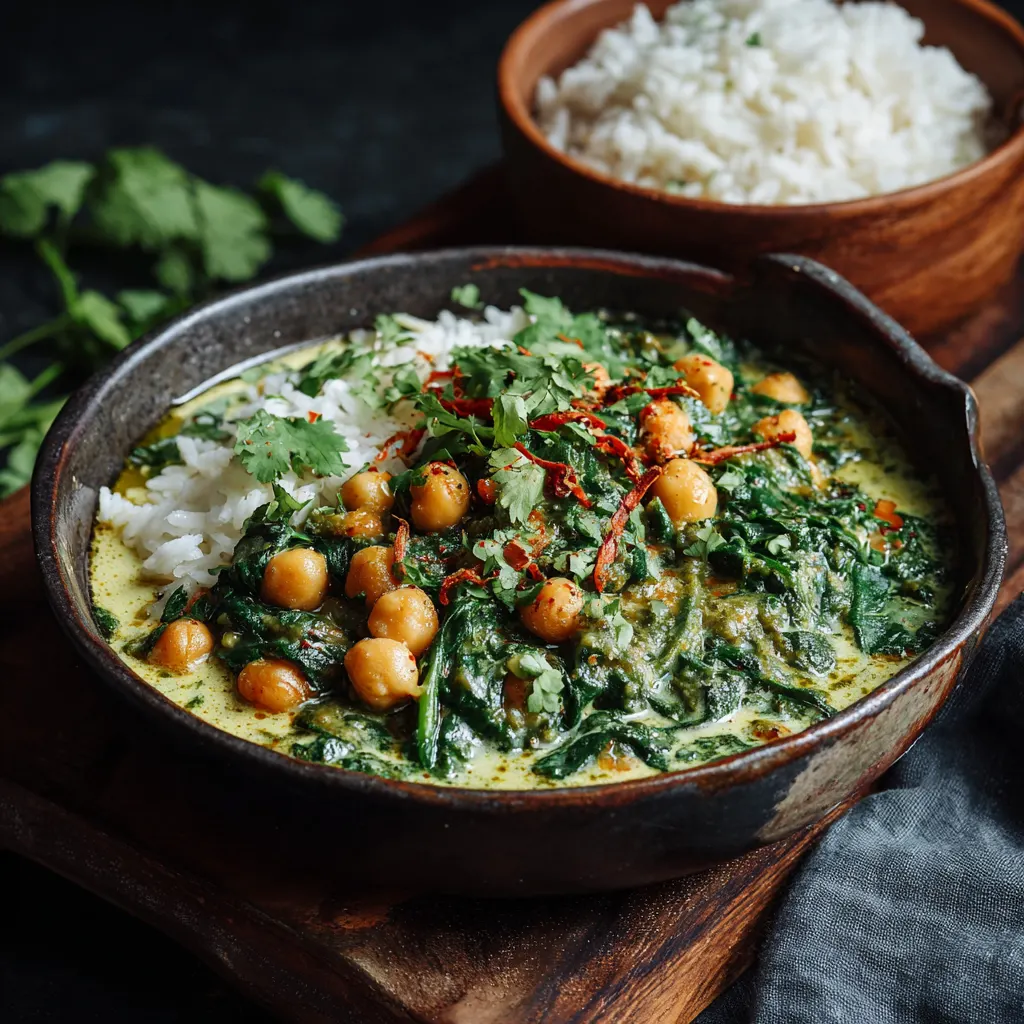
Beyond its excellent taste and comforting nature, the Spinach and Chickpea Curry with Coconut Milk stands out as a genuinely healthy meal, leveraging the significant nutritional benefits of its star components. It offers a well-rounded profile of macronutrients and essential micronutrients, making it an excellent addition to any diet, particularly plant-based ones.
The Protein and Fiber of Chickpeas: Chickpeas, or garbanzo beans, are a foundational element, providing a robust source of plant-based protein and dietary fiber. This combination is key to promoting satiety, stabilizing blood sugar levels, and supporting digestive health. For those following a vegan or vegetarian diet, chickpeas are a superior protein source that contributes to muscle maintenance and sustained energy.
Iron Absorption Synergy with Spinach: Spinach is famous for its high iron content, making this curry an excellent source of this critical mineral. However, iron from plant sources (non-heme iron) is best absorbed by the body when consumed with Vitamin C. This curry smartly incorporates Vitamin C through diced tomatoes, and especially through the finishing squeeze of lime or lemon juice. The combined effect significantly boosts the body’s ability to utilize the iron provided by the spinach and chickpeas.
Healthy Fats and Essential Micronutrients: Full-fat coconut milk provides medium-chain triglycerides (MCTs), a beneficial type of saturated fat that is easily metabolized for energy. Meanwhile, the array of spices contributes not only flavor but also antioxidant and anti-inflammatory benefits. Turmeric, specifically, contains curcumin, which is studied for its potent health properties.
Finally, the curry is perfect for meal preparation. Curries often taste even better the day after they are made, once the spices have fully permeated the sauce. It stores well in the refrigerator for 3–4 days and freezes beautifully, allowing home cooks to easily prepare large, nutritious batches for busy weeks ahead.