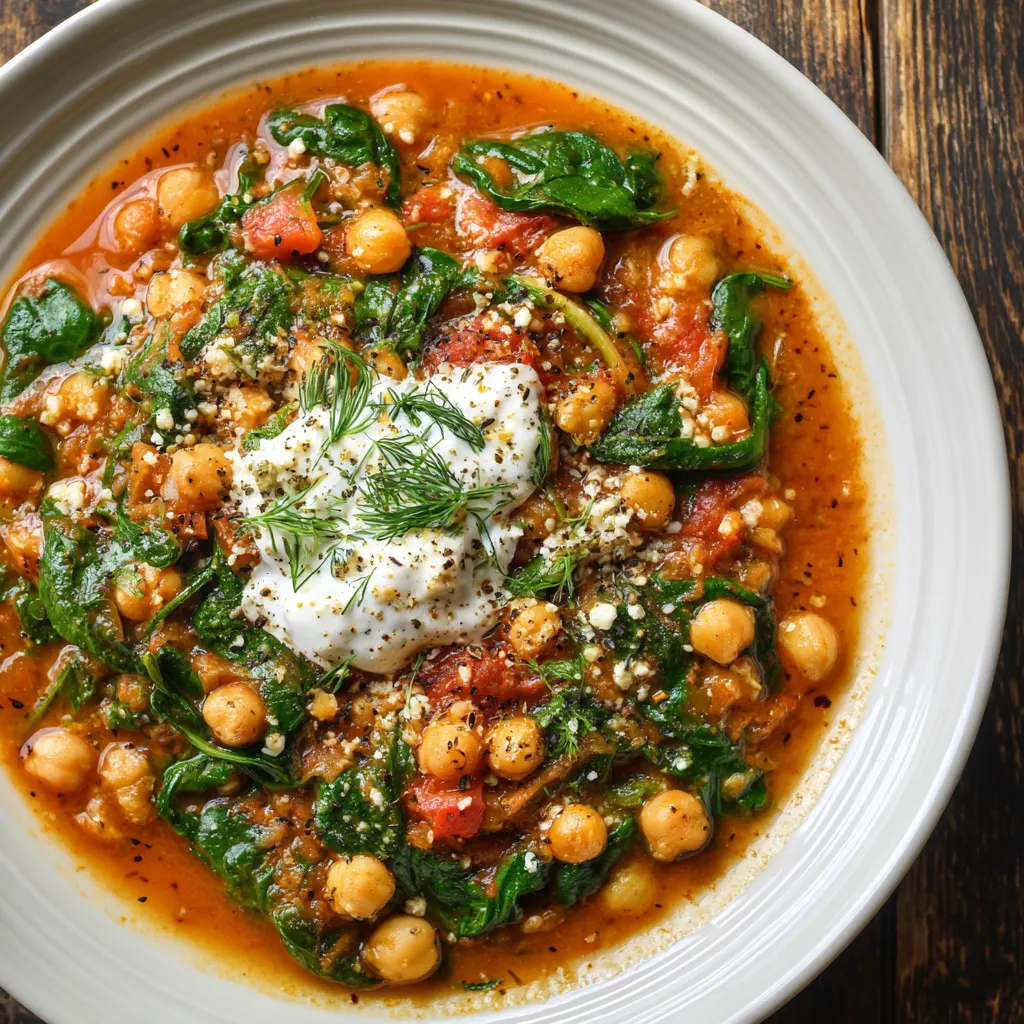
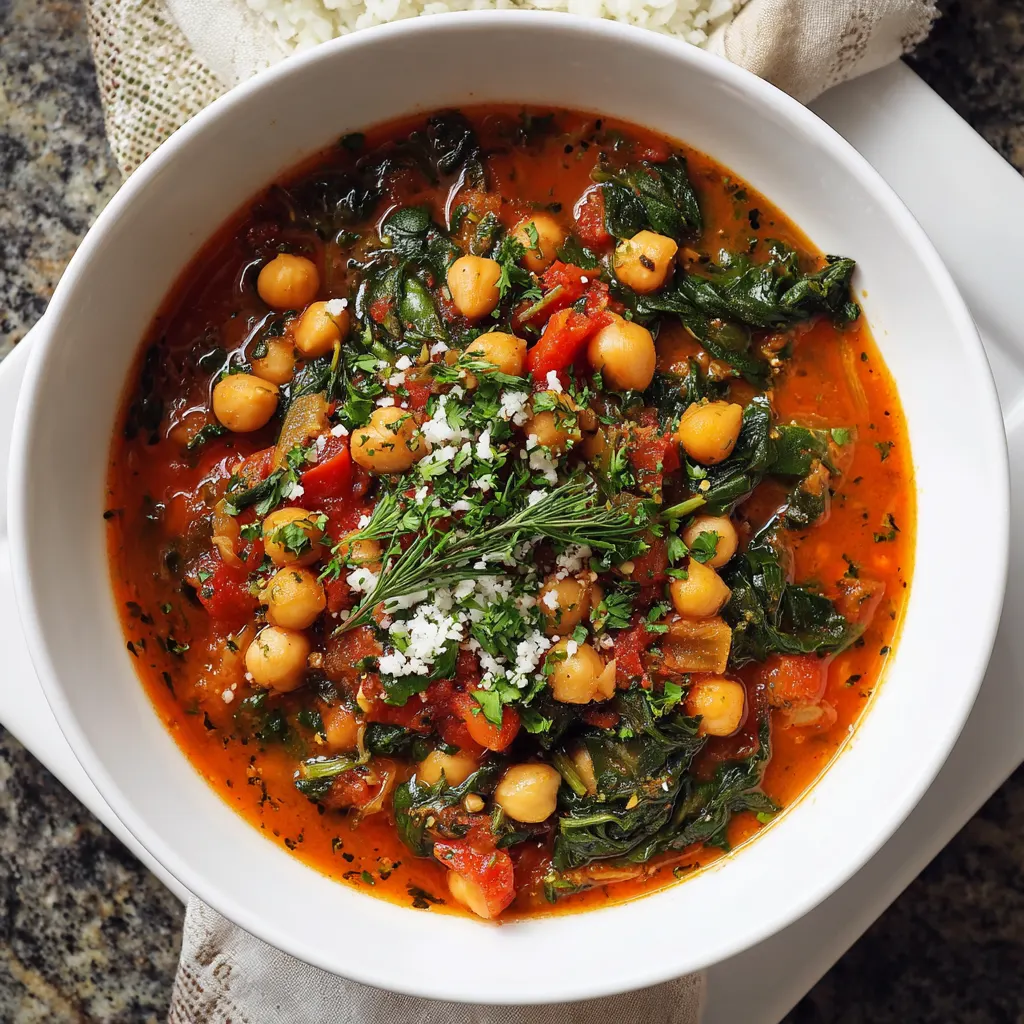
The Spinach and Chickpea Stew, or Garbanzos con Espinacas, stands as one of the most beloved and enduring plant-based dishes of Spanish cuisine, particularly hailing from the Andalusia region. Far from being a mere combination of pantry staples, this stew is a masterclass in building layered, profound flavor from simple, humble ingredients. It is the definition of comfort food—rich, smoky, hearty, and deeply nourishing—while remaining effortless enough for a quick weeknight dinner. The key to its authentic, irresistible character lies in a few crucial Spanish elements: the smokiness of paprika, the sharpness of sherry vinegar, and the traditional inclusion of a ground paste known as the picada, which thickens the broth and injects a final burst of nutty, garlicky complexity.
Ingredients
For the Stew Base:
-
3 Tbsp. extra virgin olive oil, divided
-
1 medium yellow onion, finely chopped
-
4 cloves garlic, minced (divided use)
-
1 tsp. sweet Spanish smoked paprika (Pimentón de la Vera)
-
1/2 tsp. ground cumin
-
1/4 tsp. fennel seeds (optional, for depth)
-
1 (14.5 oz) can diced tomatoes, or 1 cup crushed tomatoes
-
1/2 cup vegetable broth (or water)
-
2 (15 oz) cans chickpeas (garbanzo beans), rinsed and drained, or 3 cups cooked
-
1 lb. fresh spinach (or 10 oz frozen, thawed and squeezed)
-
1 Tbsp. sherry vinegar
-
Kosher salt and freshly ground black pepper to taste
For the Optional Picada (Traditional Thickener/Flavor Paste):
-
2 Tbsp. blanched almonds (or pine nuts)
-
1/2 slice day-old bread or 1 Tbsp. breadcrumbs
-
2 Tbsp. fresh parsley, chopped
-
1 whole garlic clove (from the 4 cloves above)
Step-by-Step Instructions
1. Prepare the Picada (Optional, but Recommended): Heat 1 tablespoon of the olive oil in a small skillet over medium heat. Add the blanched almonds, bread slice/breadcrumbs, and the reserved whole garlic clove. Fry gently until the nuts and bread are golden brown and the garlic is fragrant (about 3-4 minutes). Remove the solids with a slotted spoon and transfer them to a mortar and pestle or a small food processor. Add the chopped parsley and a pinch of salt, and grind into a coarse, wet paste. Set aside.
2. Build the Flavor Base (Sofrito): In a large pot or Dutch oven, heat the remaining 2 tablespoons of olive oil over medium heat. Add the chopped onion and sauté for 8–10 minutes, stirring occasionally, until soft and translucent. Add the remaining 3 cloves of minced garlic and cook for 1 minute until fragrant.
3. Bloom the Spices: Stir in the smoked paprika, cumin, and fennel seeds (if using). Cook for 30 seconds, stirring constantly, allowing the spices to toast lightly and release their aromas into the oil. This “blooming” step is essential for maximizing flavor.
4. Simmer the Tomatoes: Add the diced or crushed tomatoes and the vegetable broth. Break up any large tomato pieces with the back of a spoon. Bring the mixture to a gentle simmer and cook for 5–7 minutes until the sauce has reduced slightly and thickened.
5. Add Chickpeas and Thicken: Stir in the rinsed chickpeas and the reserved picada paste (if using). If the stew seems too thick, add a splash more broth or water. Season generously with salt and pepper. Reduce the heat to low, cover the pot loosely, and let the stew simmer for 15 minutes to allow the chickpeas to fully absorb the surrounding flavors.
6. Wilt the Spinach and Finish: Uncover the pot. Add the fresh spinach, a large handful at a time, stirring until each batch wilts down before adding the next. If using frozen spinach, simply stir it in until heated through. Once all the spinach is wilted, stir in the sherry vinegar. Taste and adjust the seasoning one last time, adding more salt, pepper, or vinegar as desired. Serve immediately.
The Roots of the Dish: Spanish and Mediterranean Traditions
While many iterations of chickpea and spinach stew exist across the globe—from the spiced chana palak of India to simpler North African tagines—the Spanish version is defined by its unique culinary philosophy centered around texture and depth.
The core of this flavor profile is the trio of smoky paprika, earthy cumin, and the acidic lift of sherry vinegar. Smoked paprika, specifically the Pimentón de la Vera, is non-negotiable, providing the signature smoky depth that replaces the meat found in other stews. Cumin provides warmth and earthiness, connecting the dish to the Moorish influence prevalent in Andalusian cooking.
The Magic of the Picada
The most distinctive technique is the use of the picada. This is not a starting flavor base like a sofrito (the onions and garlic), but a final grounding element stirred in at the end. The act of grinding together fried nuts (almonds or pine nuts), garlic, parsley, and sometimes bread serves three vital functions:
-
Thickening: The crushed nuts and breadcrumbs naturally thicken the stew, giving it a rich, substantial mouthfeel without needing cream or flour.
-
Flavor Injection: By frying the components before grinding, the nuts and garlic deepen in flavor, and the parsley adds a fresh, herbaceous contrast that brightens the final dish.
-
Depth: It incorporates healthy fats and crunchy texture, adding complexity that elevates the stew from simple soup to a hearty meal.
The small addition of sherry vinegar at the very end is also vital. The acid cuts through the richness of the olive oil and the earthiness of the cumin and paprika, ensuring the stew tastes bright and balanced, rather than heavy.
Nutritional Powerhouse: A Plant-Powered Focus
The popularity of this stew is matched only by its impressive nutritional profile, making it a staple for healthy eating, meal prepping, and plant-based diets. It leverages the complementary benefits of its two primary ingredients:
Chickpeas: The Protein and Fiber Backbone
Chickpeas (garbanzo beans) form the foundational texture and bulk of the stew. Nutritionally, they are a powerhouse, highly regarded for:
-
Plant Protein: Providing essential amino acids, making the stew a complete and satisfying main course, especially for vegetarians and vegans.
-
Dietary Fiber: The high fiber content aids in digestion, promotes satiety, and helps regulate blood sugar levels, contributing to long-lasting energy.
-
Essential Minerals: Chickpeas are an excellent source of manganese, folate, copper, and iron.
Spinach: Iron and Vitamin Density
Spinach, which appears voluminous at first but wilts down significantly, is packed with vitamins and minerals.
-
Iron Content: While plant-based iron (non-heme iron) is less readily absorbed than animal iron, combining it with an acidic element like the lemon or sherry vinegar used in the recipe significantly increases its bioavailability.
-
Vitamins A and C: Spinach is a potent source of Vitamin K, which is crucial for bone health, and Vitamin A, essential for vision and immune function. The delicate cooking process of wilting the spinach quickly ensures that many of these heat-sensitive nutrients are preserved.
The final stew is naturally gluten-free (unless bread is used in the picada and you opt for a non-GF type) and entirely vegan, making it highly inclusive and suitable for a vast array of dietary needs. It is often celebrated as a budget-friendly option, relying on affordable, easily stored pantry staples like canned beans and preserved tomatoes.
Flavor Customization and Global Variations
One of the great joys of a recipe like Spinach and Chickpea Stew is its versatility. Once the foundational cooking method (sautéing aromatics, blooming spices, simmering the base) is mastered, the flavor profile can be easily customized to fit regional preferences or pantry availability.
Adjusting Heat and Spice
The classic Spanish recipe focuses on smokiness over heat. For those who prefer a warming kick, customization is simple:
-
Mild Heat: Stir in a pinch of red pepper flakes (cayenne pepper) along with the smoked paprika and cumin.
-
Medium Heat: Add a spoonful of Harissa paste or a dash of hot sauce during the tomato simmering stage.
-
Indian Influence: To shift toward a chana palak profile, omit the smoked paprika and sherry vinegar. Instead, introduce 1 teaspoon of grated fresh ginger, 1/2 teaspoon of turmeric, and 1 teaspoon of garam masala during the spice blooming step. Finish the dish with fresh cilantro instead of parsley.
Texture and Body Customization
For a richer, creamier stew without adding dairy, several simple additions can dramatically alter the texture:
-
Immersion Blending: Scoop out about one cup of the chickpeas and sauce after simmering, purée it using an immersion blender, and stir the mixture back into the pot. This naturally thickens the stew and gives it a luxurious, velvety texture.
-
Lentils: Replace one can of chickpeas with a cup of red or brown lentils, which will break down during the simmering process, adding density and thickening the liquid.
Vegetable Swaps and Additions
The stew provides a perfect canvas for incorporating other seasonal vegetables:
-
Leafy Greens: Replace spinach entirely with chopped kale or Swiss chard. Note that these are tougher than spinach and require a longer simmering time (about 10–15 minutes) to fully soften.
-
Root Vegetables: Add cubed sweet potato or zucchini alongside the tomatoes and broth. These vegetables will soften and sweeten the stew slightly, complementing the smoky paprika.
Serving Suggestions and Perfect Pairings
The final presentation and pairing of the Spinach and Chickpea Stew are just as important as the cooking process itself. A few finishing touches can transform it from a simple pot of food into a restaurant-quality meal.
The Essential Finishing Touches
The final garnishes should serve both an aesthetic and functional purpose, contrasting the savory depth of the stew:
-
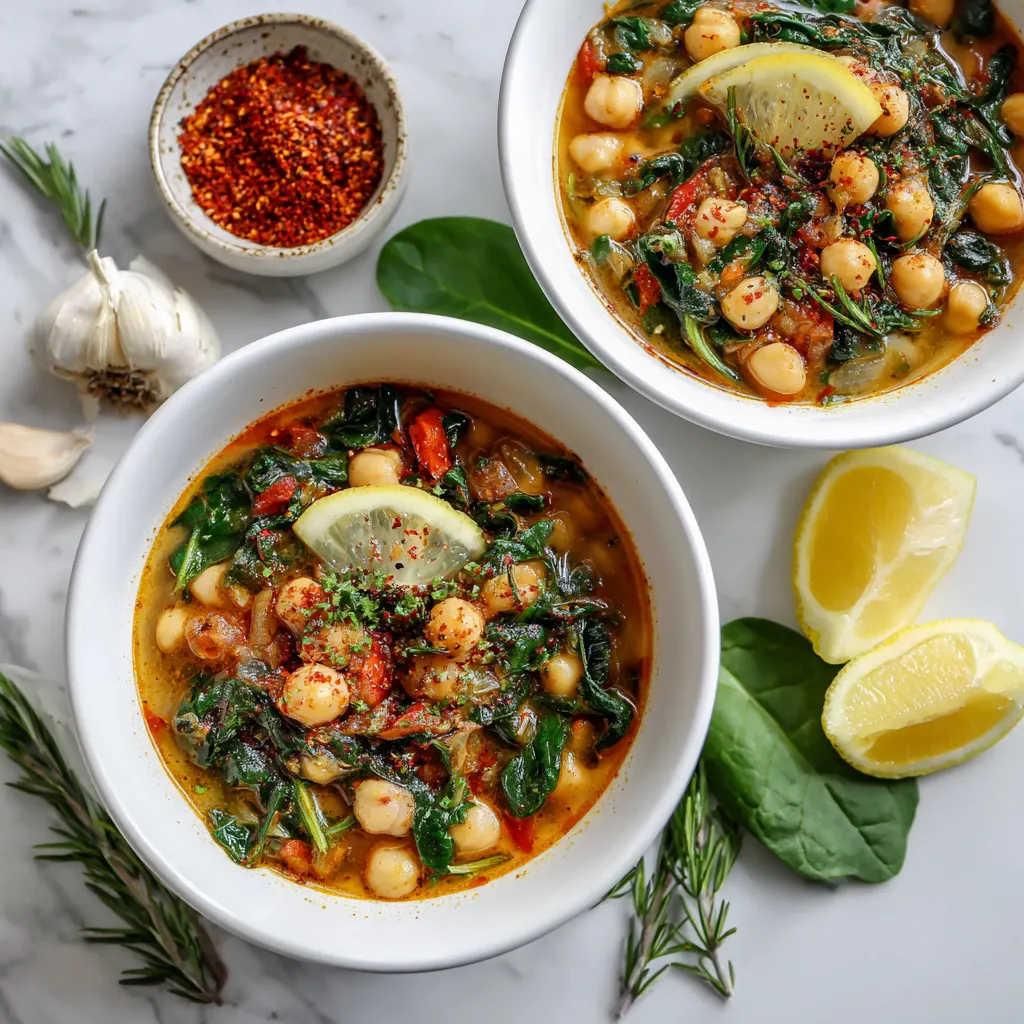
Acidity: A mandatory squeeze of fresh lemon juice or a final drizzle of sherry vinegar over the individual bowls. This bright, acidic element “lifts” the flavors, balancing the earthiness of the chickpeas and spices.
-
Fat: A high-quality glug of extra virgin olive oil, drizzled right before serving, adds a fresh, fruity note and a pleasing sheen to the finished dish.
-
Texture: Toasted pine nuts, chopped walnuts, or even toasted breadcrumbs add a delightful crunch. For the Spanish version, chopped fresh parsley is the traditional herb of choice.
-
Optional Creaminess: While traditionally vegan, a small dollop of Greek yogurt, crème fraîche, or crumbled feta cheese can be added to individual portions for those who appreciate a creamy, tangy contrast.
Pairing for a Complete Meal
While the stew is hearty enough to be a meal on its own, it pairs beautifully with certain accompaniments that help soak up the flavorful broth:
-
Crusty Bread: The most classic pairing. A rustic baguette, sourdough, or even pita bread is essential for scooping the rich sauce.
-
Grains: Serve the stew over a bed of fluffy white rice, couscous, or bulgur wheat for added substance and texture.
-
Protein Addition: For a non-vegan meal, the stew makes a fantastic bed for a perfectly poached or fried egg. The runny yolk enriches the stew and elevates the dish.
Store any leftovers in an airtight container in the refrigerator for up to four days. The flavors deepen beautifully overnight, making this stew an ideal candidate for meal preparation, easily reheated on the stovetop or in the microwave.