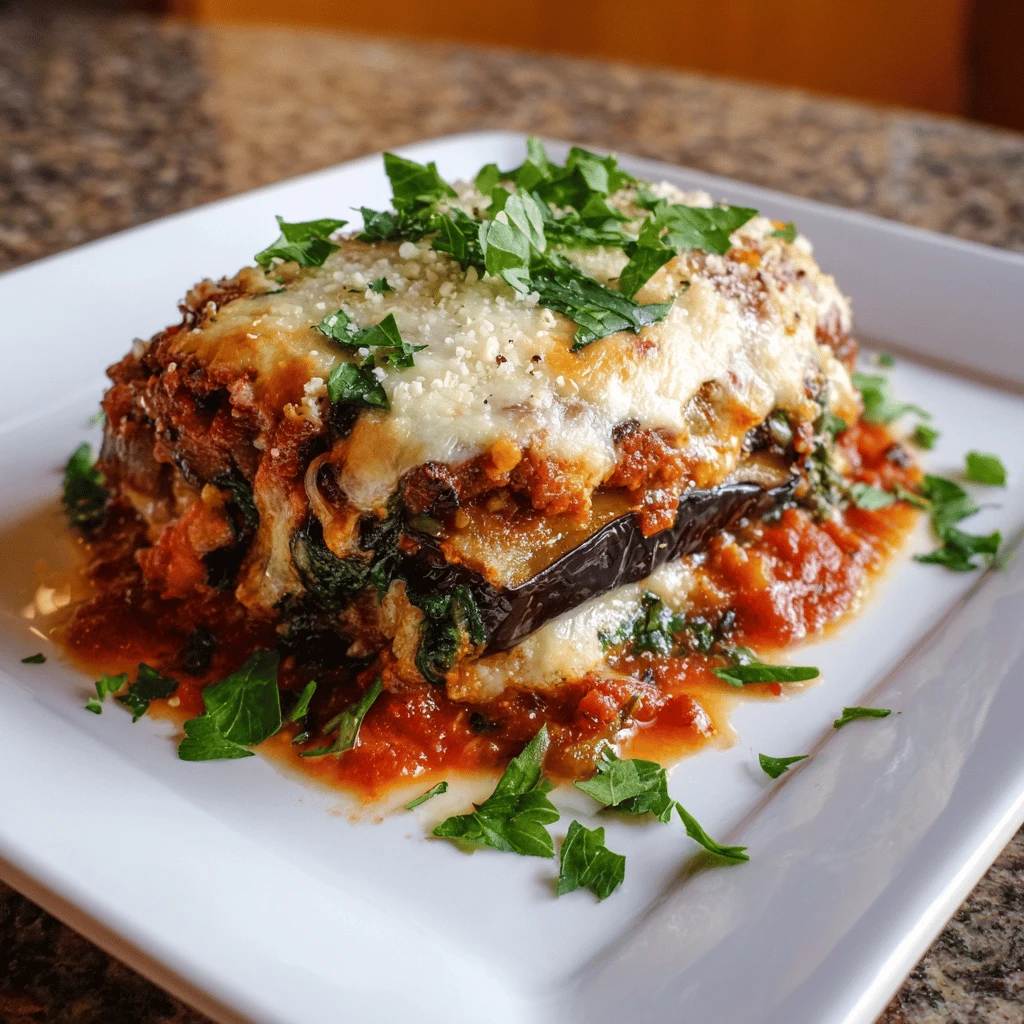
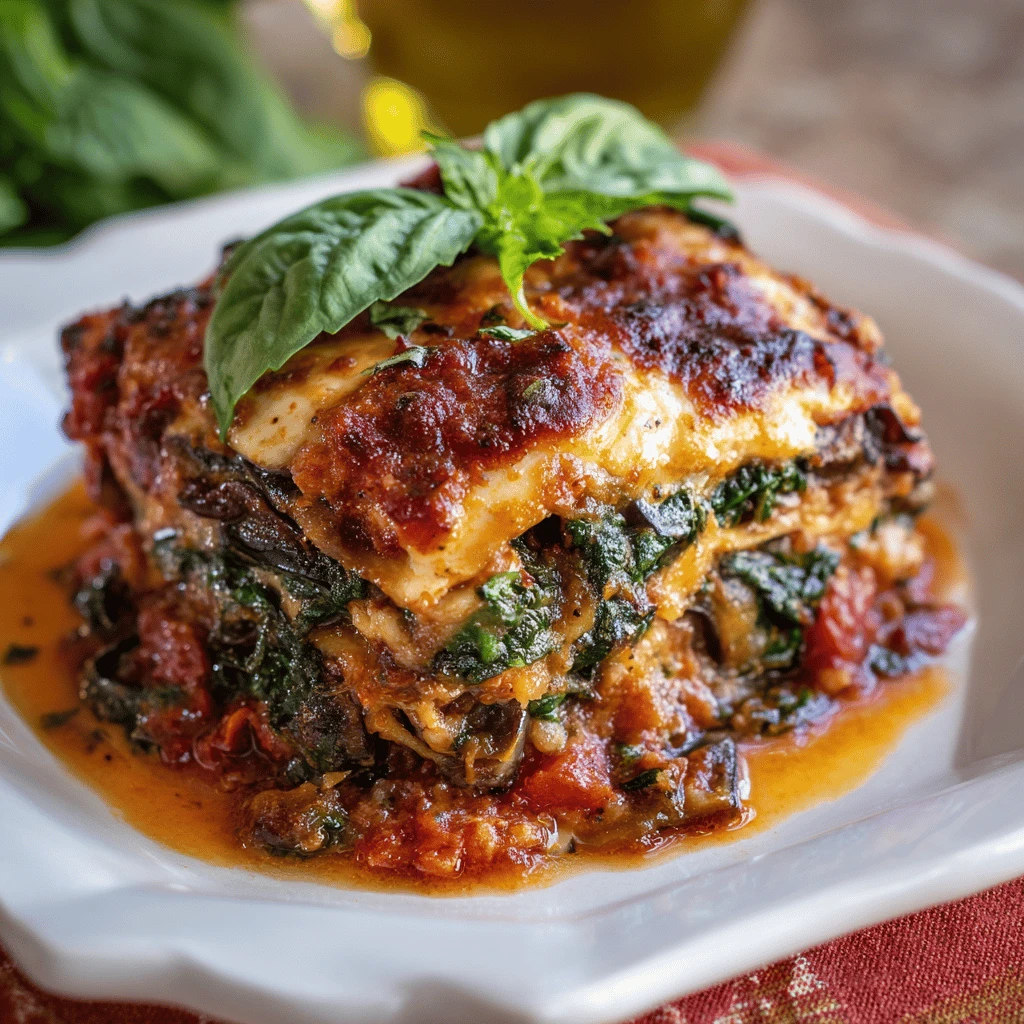
Spinach and Eggplant Lasagna
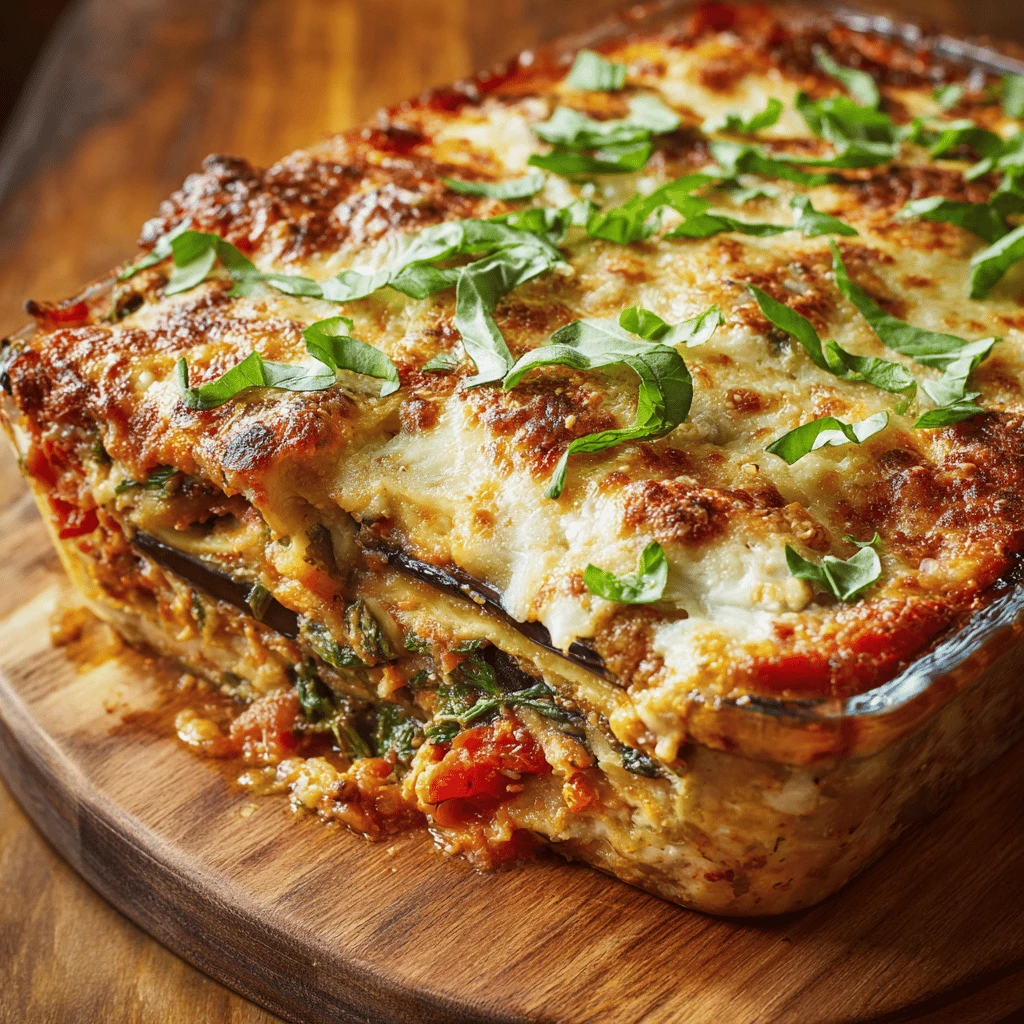
Spinach and eggplant lasagna offers a delightful twist on the classic Italian comfort food. This vegetarian-friendly dish combines layers of tender eggplant, nutrient-rich spinach, creamy cheese, and flavorful tomato sauce, creating a satisfying and wholesome meal. Whether you’re looking for a meatless Monday option or simply want to incorporate more vegetables into your diet, this lasagna is a fantastic choice.
I. Understanding the Appeal of Vegetarian Lasagna
Vegetarian lasagna, in general, has gained popularity for several compelling reasons. It caters to a growing segment of the population embracing plant-based diets or seeking to reduce their meat consumption. Beyond ethical considerations, many find vegetarian dishes to be lighter, healthier, and equally flavorful as their meat-based counterparts. Lasagna, typically a heavy dish, benefits from the substitution of meat with vegetables, resulting in a more balanced and digestible meal. The combination of textures and flavors in a well-prepared vegetarian lasagna can be incredibly satisfying. Eggplant and spinach, in particular, provide a hearty and nutritious foundation for this comforting dish.
A. Health Benefits of Spinach and Eggplant
Spinach and eggplant both contribute significantly to the nutritional profile of this lasagna. Spinach is a nutritional powerhouse, packed with vitamins A, C, and K, as well as iron and antioxidants. These nutrients support immune function, bone health, and overall well-being. Eggplant, on the other hand, is a good source of fiber, which aids digestion and promotes a feeling of fullness. It also contains antioxidants that help protect against cellular damage. Together, these vegetables create a dish that is both delicious and beneficial for your health.
B. Flavor Profile and Texture Combination
The flavor combination of spinach and eggplant works exceptionally well in lasagna. The slightly bitter taste of spinach is balanced by the mild, almost sweet flavor of eggplant. When cooked, eggplant becomes incredibly tender, providing a soft and creamy texture that complements the slightly chewy texture of the lasagna noodles. The addition of cheese, tomato sauce, and herbs further enhances the flavor profile, creating a harmonious and satisfying culinary experience.
II. Crafting the Perfect Spinach and Eggplant Lasagna: A Step-by-Step Guide
Creating a truly exceptional spinach and eggplant lasagna involves careful preparation and attention to detail. Here’s a step-by-step guide to help you create a dish that will impress your family and friends.
A. Ingredient Selection: Choosing the Best Produce and Cheese
The quality of your ingredients directly impacts the flavor of your lasagna. Opt for fresh, vibrant spinach with deep green leaves. Choose firm, glossy eggplants that feel heavy for their size. For the cheese, consider using a combination of ricotta, mozzarella, and Parmesan for the best flavor and texture. High-quality canned tomatoes or homemade tomato sauce will also make a significant difference.
- Spinach: Look for fresh, vibrant leaves. Avoid wilted or yellowing spinach.
- Eggplant: Choose firm, glossy eggplants with smooth skin. Smaller eggplants tend to be less bitter.
- Cheese: Use a combination of ricotta, mozzarella, and Parmesan for a balanced flavor. Consider using whole-milk ricotta for a richer texture.
- Tomato Sauce: Opt for high-quality canned tomatoes or make your own sauce from scratch.
B. Preparation Techniques: Slicing, Sautéing, and Blanching
Proper preparation of the vegetables is crucial for achieving the desired texture and flavor. Slice the eggplant into thin, even rounds. Sauté the eggplant in olive oil until tender and slightly browned. This step helps to remove excess moisture and enhance its flavor. Blanch the spinach briefly to wilt it and remove excess water. This prevents the lasagna from becoming watery.
- Eggplant: Slice thinly and sauté until tender and browned. Salting the eggplant before cooking can help draw out excess moisture.
- Spinach: Blanch briefly in boiling water to wilt it. Squeeze out excess water before using.
- Tomato Sauce: Simmer the tomato sauce with herbs and spices to develop its flavor.
C. Assembling the Lasagna: Layering for Optimal Texture and Flavor
The key to a perfect lasagna lies in the layering. Start with a thin layer of tomato sauce at the bottom of the baking dish. Then, layer the noodles, ricotta cheese mixture, spinach, eggplant, mozzarella, and Parmesan. Repeat these layers until all the ingredients are used, finishing with a layer of tomato sauce and mozzarella. This ensures that each bite is a symphony of flavors and textures.
- Layering Order: Sauce, noodles, ricotta mixture, spinach, eggplant, mozzarella, Parmesan. Repeat.
- Ricotta Mixture: Combine ricotta cheese with egg, Parmesan cheese, and herbs for added flavor and binding.
III. Variations and Adaptations: Customizing Your Lasagna
One of the great things about lasagna is its versatility. You can easily adapt the recipe to suit your taste preferences and dietary needs.
A. Vegan and Gluten-Free Options
For a vegan version, substitute the dairy cheeses with plant-based alternatives such as cashew ricotta and vegan mozzarella shreds. Ensure the lasagna noodles are egg-free. To make it gluten-free, use gluten-free lasagna noodles. These are readily available in most grocery stores.
- Vegan Cheese Substitutes: Cashew ricotta, almond ricotta, or tofu ricotta. Vegan mozzarella shreds.
- Gluten-Free Noodles: Look for lasagna noodles specifically labeled “gluten-free.”
B. Adding Other Vegetables and Flavors
Feel free to add other vegetables to your lasagna. Zucchini, mushrooms, and bell peppers are all excellent choices. You can also experiment with different herbs and spices to enhance the flavor. Consider adding fresh basil, oregano, or a pinch of red pepper flakes for a little heat.
- Other Vegetable Additions: Zucchini, mushrooms, bell peppers.
- Flavor Enhancements: Fresh basil, oregano, red pepper flakes, garlic powder.
C. Sauce Variations: Beyond Tomato
While tomato sauce is the traditional choice, you can also use other sauces to create a unique flavor profile. A creamy béchamel sauce or a pesto sauce can add a different dimension to your lasagna. If using pesto, consider swirling it into the ricotta mixture for even distribution.
- Béchamel Sauce: A classic white sauce made with butter, flour, and milk.
- Pesto Sauce: A vibrant green sauce made with basil, pine nuts, garlic, Parmesan cheese, and olive oil.
IV. Tips and Tricks for a Successful Lasagna
Even with the best recipe, a few key tips and tricks can help you achieve lasagna perfection.
A. Preventing Watery Lasagna
One of the most common problems with lasagna is a watery texture. To avoid this, make sure to drain the spinach and eggplant thoroughly after cooking. You can also add a layer of breadcrumbs to the bottom of the baking dish to absorb excess moisture. Avoid over-saucing the lasagna, as this can also contribute to a watery consistency.
- Drain Vegetables: Squeeze out excess water from spinach and eggplant.
- Breadcrumb Layer: Add a thin layer of breadcrumbs to the bottom of the dish.
- Avoid Over-Saucing: Use just enough sauce to coat the noodles and vegetables.
B. Achieving the Perfect Cheese Pull
A good cheese pull is a sign of a perfectly cooked lasagna. Use a generous amount of mozzarella cheese and make sure it’s evenly distributed across the top layer. Bake the lasagna until the cheese is melted and bubbly, then broil it for a minute or two to achieve a golden-brown crust.
- Generous Mozzarella: Use a good amount of mozzarella cheese on top.
- Broil for Golden Crust: Broil for a minute or two to achieve a golden-brown crust.
C. Resting and Serving
Allow the lasagna to rest for at least 15-20 minutes after baking. This allows the cheese to set and the flavors to meld together. Cutting into it too soon will result in a messy and watery lasagna. Serve the lasagna with a side salad and some crusty bread for a complete and satisfying meal.
- Resting Time: Let lasagna rest for 15-20 minutes before serving.
- Serving Suggestions: Serve with a side salad and crusty bread.
V. Frequently Asked Questions About Spinach and Eggplant Lasagna
Here are some frequently asked questions about making spinach and eggplant lasagna:
A. Can I freeze spinach and eggplant lasagna?
Yes, you can freeze lasagna. Assemble the lasagna in a freezer-safe dish. Cover it tightly with plastic wrap and then with aluminum foil. Freeze for up to 3 months. To bake, thaw the lasagna in the refrigerator overnight and bake as directed. You can also bake it from frozen, but you’ll need to increase the baking time.
B. How long does spinach and eggplant lasagna last in the refrigerator?
Cooked lasagna can be stored in the refrigerator for up to 3-4 days. Make sure to store it in an airtight container to prevent it from drying out.
C. Can I use dried spinach instead of fresh?
While fresh spinach is preferred, you can use frozen spinach in a pinch. Make sure to thaw it completely and squeeze out as much water as possible before using. Dried spinach is not recommended, as it doesn’t have the same texture or flavor as fresh or frozen spinach.
D. Do I need to pre-cook the lasagna noodles?
Many lasagna noodle brands now offer “no-boil” or “oven-ready” noodles. These noodles can be used directly in the lasagna without pre-cooking. If you’re using traditional lasagna noodles, you’ll need to boil them according to the package directions before assembling the lasagna.
E. What is the best cheese to use for lasagna?
A combination of ricotta, mozzarella, and Parmesan cheese is ideal for lasagna. Ricotta provides a creamy texture, mozzarella adds a cheesy pull, and Parmesan adds a salty, savory flavor. You can also add other cheeses, such as provolone or Asiago, to customize the flavor.