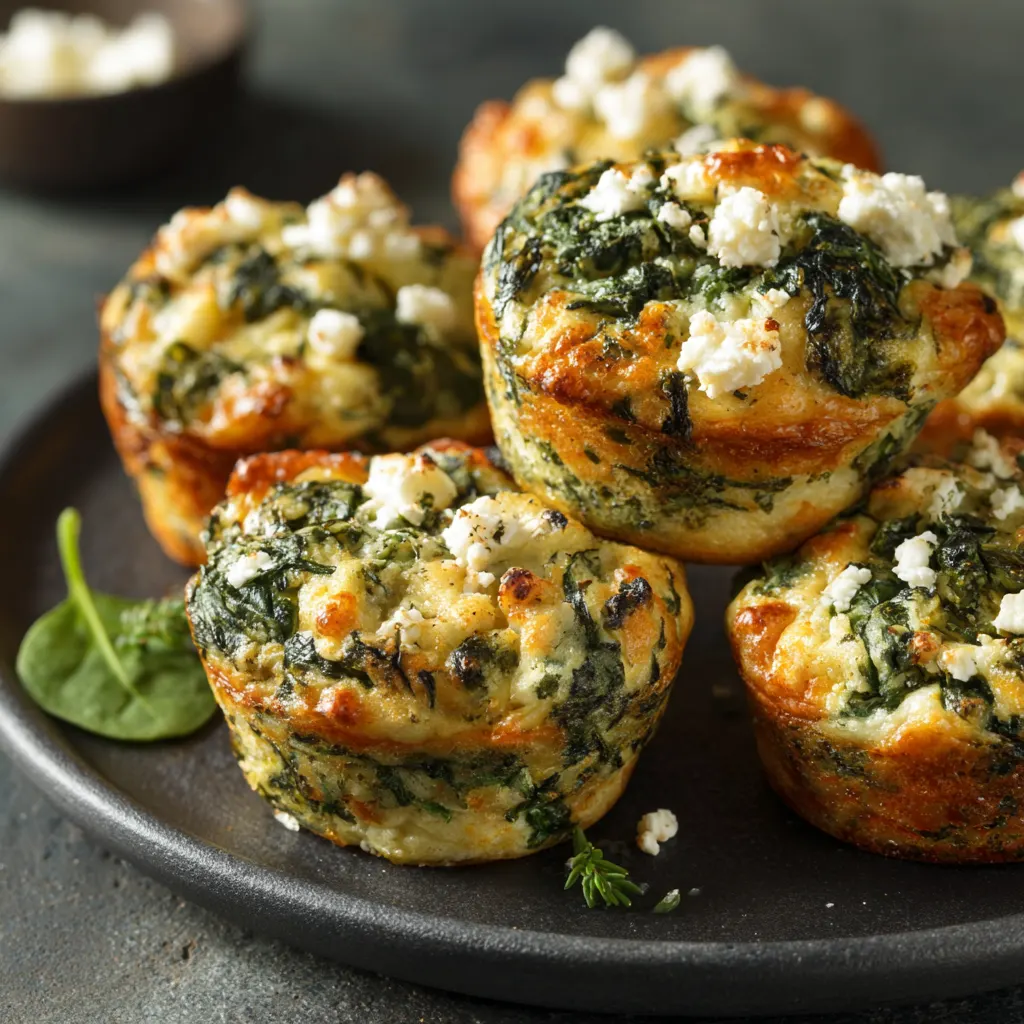
These savory spinach and feta muffins have emerged as a powerhouse recipe for anyone seeking a convenient, nourishing, and delicious alternative to conventional carb-heavy snacks. Drawing inspiration from Greek spanakopita—but without the complexity of phyllo dough—these portable bites pack a dense nutritional punch, combining lean protein, fiber-rich greens, and healthy fats. They are the ideal make-ahead solution for busy mornings, school lunchboxes, or a quick, satisfying post-workout boost, offering superior flavor and utility compared to pre-packaged options. Their flexibility makes them easy to incorporate into various meal plans, proving that healthy eating doesn’t have to sacrifice taste or texture.
The Foundation: Ingredients for Savory Perfection
This recipe yields approximately 12 medium muffins.
Dry Ingredients:
-
375g (3 cups) self-raising flour (or substitute with 370g plain flour + 10g baking powder)
-
40g (½ cup) grated Parmesan cheese
-
2 teaspoons dried oregano or dill
-
½ teaspoon freshly ground black pepper (Feta is salty, so add salt sparingly or omit)
Wet Ingredients & Fillings:
-
250g (9 oz) frozen chopped spinach, thawed and excess water thoroughly squeezed out
-
200g (7 oz) Feta cheese, crumbled
-
330g (1 ⅓ cups) milk (dairy or non-dairy equivalent)
-
60g (½ cup) plain Greek yogurt (full-fat or low-fat)
-
1 large egg
-
60ml (¼ cup) olive oil or melted butter
-
1 spring onion (scallion), finely sliced

Step-by-Step Method
1. Prepare the Greens and Oven: Preheat your oven to 200°C (400°F). Line a 12-cup muffin tin with paper liners or silicone cups, or generously grease the tin, especially if using a recipe with extra cheese which may stick. Crucially, if using frozen spinach, ensure it is completely thawed and use a clean kitchen towel or paper towels to squeeze out as much excess moisture as possible. This step is non-negotiable for achieving a light, fluffy muffin texture.
2. Combine Wet Ingredients: In a large mixing bowl, whisk together the milk, Greek yogurt, egg, and olive oil (or melted butter) until fully combined and smooth.
3. Incorporate Fillings: Gently fold the prepared spinach, crumbled feta cheese, and sliced spring onion into the wet mixture. Stir until the ingredients are evenly dispersed.
4. Mix Dry Ingredients: In a separate bowl, whisk together the self-raising flour (and baking powder, if using plain flour), grated Parmesan cheese, dried oregano, and pepper.
5. Form the Batter: Add the dry ingredient mixture to the wet mixture. Using a spatula or wooden spoon, fold gently until just combined. Do not overmix; a few visible streaks of flour are acceptable. Overmixing develops the gluten and leads to tough, dense muffins.
6. Bake: Divide the batter evenly among the 12 muffin cups, filling them about three-quarters full. For an optimal rise and texture, some bakers recommend baking at the higher temperature of 220°C (440°F) for the first 7 minutes, then immediately reducing the temperature to 180°C (350°F) for the remaining 15-20 minutes, or until the muffins are golden brown and a toothpick inserted into the center comes out clean.
7. Cool and Store: Allow the muffins to cool in the tin for five minutes before transferring them to a wire rack to cool completely. They can be enjoyed warm, but they set best for storage once fully cooled.
The Nutritional Powerhouse: Why They Are Truly Healthy
The “healthy snack” designation for spinach and feta muffins is rooted in their balanced macronutrient profile and high concentration of micronutrients, positioning them far above typical baked goods.
Core Nutritional Benefits
-
High Protein Content: Unlike standard sweet muffins, the savory version is protein-forward, driven by the inclusion of eggs, feta, Parmesan, and often Greek yogurt. Many recipes yield 7–11 grams of protein per muffin, making them highly effective for increasing satiety, stabilizing blood sugar, and supporting muscle maintenance. This protein boost is key for sustained energy, preventing the crash associated with high-sugar snacks.
-
Antioxidant-Rich Greens: Spinach is a foundational ingredient, offering vast amounts of Vitamin K, Vitamin A, Vitamin C, iron, and folate. These nutrients support bone health, immune function, and oxygen transportation. The cooking process slightly reduces some nutrients but makes others, like Vitamin A, more bioavailable.
-
Bone and Gut Health: Feta cheese contributes calcium and phosphorus, vital for bone density. Furthermore, the use of Greek yogurt or buttermilk in some recipes introduces probiotics, supporting a healthy gut microbiome.
-
Controlled Carbohydrates and Fiber: By replacing sugar with savory ingredients, the overall carbohydrate load is lower than sweet muffins. The inclusion of whole wheat flour (if used) or the natural fiber from the spinach further aids in digestive health. For those monitoring carbs, substituting standard flour with almond or coconut flour (as detailed in variations) drastically reduces the glycemic impact.
Customization, Flavor Hacks, and Dietary Swaps
The versatility of the spinach and feta muffin is one of its greatest strengths. The basic formula—batter, cheese, and greens—is a blank canvas for customization, allowing cooks to tailor the recipe to taste, available ingredients, or specific dietary needs.
Flavor Enhancements and Add-Ins
-
Mediterranean Mix-ins: To lean into a Greek-inspired flavor profile, incorporate ¼ cup of sun-dried tomatoes (drained and chopped), a small handful of chopped Kalamata olives, or finely diced roasted red peppers.
-
Aromatics and Herbs: Fresh herbs intensify the flavor profile. Dill is the classic complement to feta and spinach, but finely chopped parsley, basil, chives, or rosemary also work well. For extra savory depth, sautéing a small amount of garlic or finely chopped leeks before adding them to the batter is highly recommended.
-
Protein Boosters: While already protein-rich, adding pre-cooked, finely diced lean protein like chicken breast, turkey bacon, or ham can transform the muffin into a mini-meal, perfect for athletes or those needing a significant boost.
-
Spice and Heat: A pinch of red pepper flakes or a teaspoon of chilli paste can provide a subtle warmth and kick.
Catering to Dietary Requirements
-
Gluten-Free (GF): The most common GF swap involves using gluten-free self-raising flour blend or replacing the wheat flour entirely with almond flour. When using almond flour, the final texture will be denser and moister (more like a frittata cup), often requiring an extra egg to bind the ingredients effectively.
-
Dairy-Free: Feta is a signature component, but substitutions are possible. Use a plant-based milk (oat or soy) and a lactose-free Greek yogurt or simply increase the oil content slightly. For the cheese flavor, a quality vegan feta substitute or nutritional yeast can be used, though the texture and saltiness will differ.
-
Low-Fat Alternatives: Replace melted butter or olive oil with a neutral-flavored oil or substitute a portion of the oil with additional Greek yogurt or applesauce. Use low-fat milk and reduce the amount of Parmesan cheese.
Master the Prep: Batch Cooking and Freezing Tips
The primary appeal of these savory muffins lies in their effectiveness as a meal prep staple. Mastering the storage and reheating processes ensures they remain fresh, flavorful, and accessible throughout the week or month.
Essential Preparation Tips for Success
-
Moisture Control is Paramount: As noted in the recipe, the biggest pitfall in savory muffin making is excess moisture, which results in a gummy interior. If using fresh spinach, sauté it briefly until wilted and then squeeze it dry. If using frozen spinach, thaw it completely and squeeze it until it looks like a dense ball of green matter.
-
Gentle Mixing: Use the two-bowl method (wet and dry) and combine them gently. Overmixing activates the gluten, resulting in a tougher muffin top and denser crumb. The final batter should be thick and slightly lumpy.
-
Use Quality Liners: Cheese tends to stick to standard paper liners. For easy removal, use silicone muffin cases or a well-greased, non-stick tin.
Optimized Storage and Reheating
Short-Term Storage (Refrigerator): Once the muffins are completely cooled, store them in an airtight container lined with a paper towel (to absorb any residual moisture) for up to 3-4 days. They can be eaten cold straight from the fridge.
Long-Term Storage (Freezer): Spinach and feta muffins freeze exceptionally well.
-
Cool Completely: Ensure the muffins are 100% cooled to prevent freezer burn and ice crystals.
-
Wrap: Wrap individual muffins tightly in plastic wrap or aluminum foil, then place the wrapped muffins into a large, freezer-safe bag or container. This double-wrapping protects against odor transfer and freezer burn.
-
Storage Duration: They can be frozen for up to 3 months.
Reheating:
-
From Fridge: Microwave for 30-45 seconds, or reheat in a toaster oven or standard oven at 180°C (350°F) for 5-7 minutes until warmed through and the top is slightly crisp.
-
From Freezer: Allow the muffins to defrost overnight in the refrigerator. Alternatively, microwave on defrost setting or bake them directly from frozen in a 160°C (325°F) oven for 10-15 minutes.

Beyond the Snack: Integrating Muffins into Your Lifestyle
While labeled a “snack,” these savory baked goods have the nutritional profile to act as a substantial component of any meal, offering flexibility across various eating occasions and lifestyles.
Versatile Serving Suggestions
-
Breakfast Replacement: Pair two muffins with a bowl of plain Greek yogurt and a side of fresh fruit for a protein-packed, balanced start to the day that is easily consumed on the commute.
-
Lunchbox Filler: They are an excellent, non-soggy alternative to sandwiches, providing a satisfying midday meal component for both children and adults. They taste great at room temperature.
-
Light Lunch or Dinner: Serve alongside a crisp green salad tossed in a vinaigrette, or as a companion to a hearty bowl of tomato or vegetable soup. The muffins add substance and savory depth to an otherwise light meal.
-
Appetizer or Side: For entertaining, bake them in mini-muffin tins and serve warm with a dollop of hummus, tzatziki, or a quality tomato relish or chili jam for dipping.
Lifestyle and Diet Integration
The ingredients naturally align with several healthy eating patterns:
-
Mediterranean Diet: Feta, olive oil, oregano, and spinach are staples of the Mediterranean lifestyle, known for promoting heart health and longevity. These muffins fit perfectly as a grain-inclusive component.
-
Vegetarian: Naturally meat-free, they provide a delicious source of vegetarian protein and essential nutrients.
-
Kid-Friendly Nutrition: They are a brilliant tool for “sneaking” in vegetables for picky eaters. Kids often enjoy the portability and texture of a muffin, making the consumption of spinach nearly effortless.
-
On-the-Go Fuel: For hikers, travelers, or those with demanding schedules, their self-contained, mess-free format makes them superior to bars or wraps for sustained energy without the need for utensils.