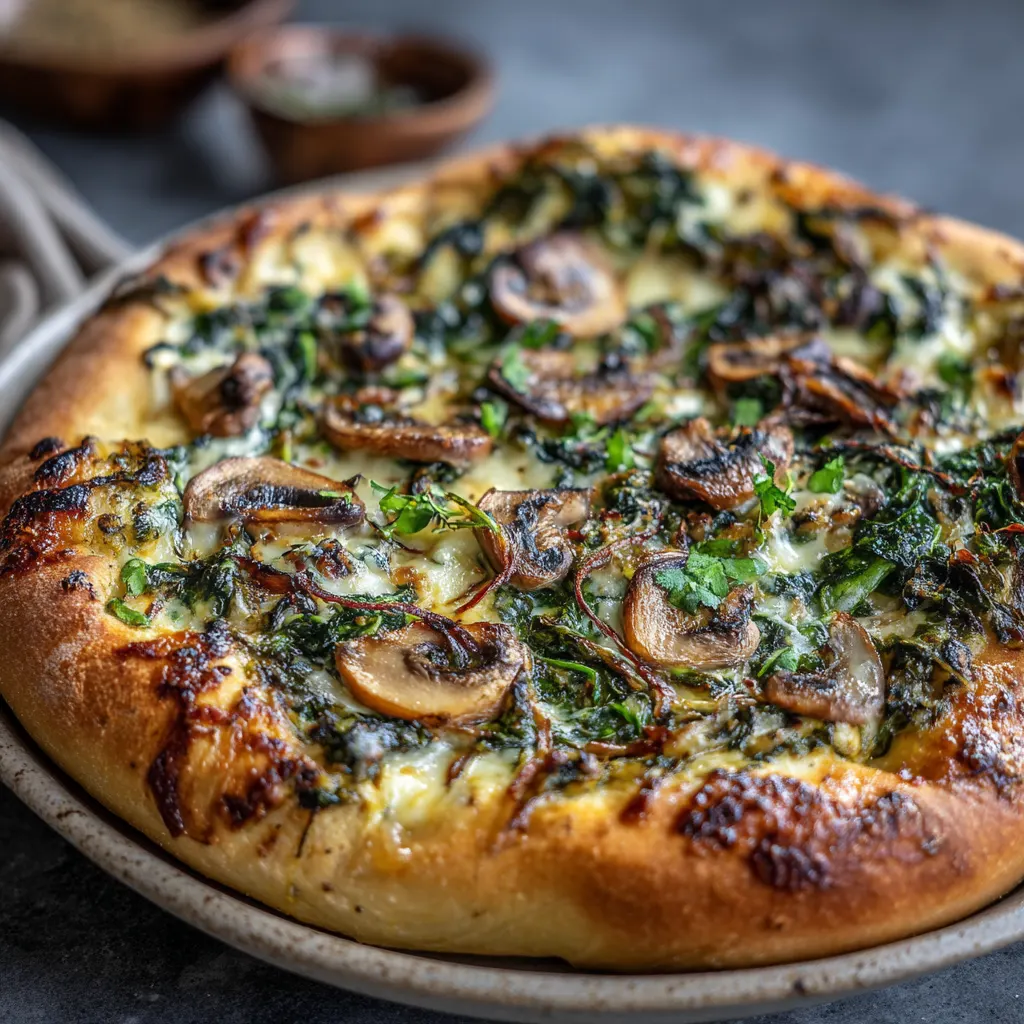
Spinach and mushroom pizza is a timeless classic, revered for its perfect harmony of earthy, savory, and fresh flavors. It is a canvas for culinary creativity, offering comfort and nutritional value in equal measure. Whether you prefer a robust tomato base or a creamy white sauce, the combination of tender, iron-rich spinach and umami-packed mushrooms elevates a simple weeknight meal into a gourmet experience. Crafting the perfect version, however, requires more than simply piling ingredients onto dough; it involves strategic ingredient preparation, intelligent layering, and mastering the right baking techniques to ensure a crisp crust and balanced flavors.
Classic Spinach and Mushroom Pizza Recipe
This foundational recipe utilizes common ingredients and incorporates key techniques to ensure a rich, flavorful, and non-soggy result.
Key Ingredients
For the Dough and Base:
-
1 pound fresh or store-bought pizza dough (enough for one 12-14 inch pizza)
-
2 tablespoons extra virgin olive oil (divided)
-
1 tablespoon cornmeal (for dusting the pan/stone)
-
2 cloves fresh garlic, minced
-
1/2 cup prepared pizza or marinara sauce (low-sodium, if possible)
For the Toppings:
-
8 ounces fresh mushrooms (Cremini or button), thinly sliced
-
6 cups fresh baby spinach leaves (or 1 cup frozen, thawed and squeezed dry)
-
1 ½ cups shredded low-moisture mozzarella cheese, divided
-
1/4 cup shredded Parmesan or Asiago cheese
-
1/4 teaspoon Kosher salt
-
Pinch of red pepper flakes (optional)
-
Fresh basil leaves, for garnish
Step-by-Step Instructions
-
Prepare the Mushrooms (Moisture Control): Preheat a dry skillet (no oil) over medium-high heat. Add the sliced mushrooms and cook, stirring occasionally, until they begin to release their liquid. Continue cooking until all the moisture has evaporated and the mushrooms start to brown slightly (sautéing them first prevents them from releasing water and making the pizza crust soggy). Set aside.
-
Prepare the Spinach: If using fresh spinach, lightly sauté it in a skillet with 1 teaspoon of olive oil and a pinch of salt until just wilted, about 1-2 minutes. Squeeze out any excess water thoroughly. If using frozen spinach, ensure it is completely thawed and squeezed bone-dry before use.
-
Preheat the Oven and Stone: Preheat your oven to 450°F (232°C). If using a pizza stone or steel, place it on the lowest rack and allow it to preheat for at least 30 minutes. If using a baking sheet, lightly grease it and sprinkle with cornmeal.
-
Shape the Dough and Apply Oil: On a floured surface, stretch or roll the dough into your desired shape. If using a baking sheet, transfer the dough onto it. In a small bowl, combine the remaining olive oil with the minced garlic. Brush the surface of the dough evenly with the garlic-infused oil.
-
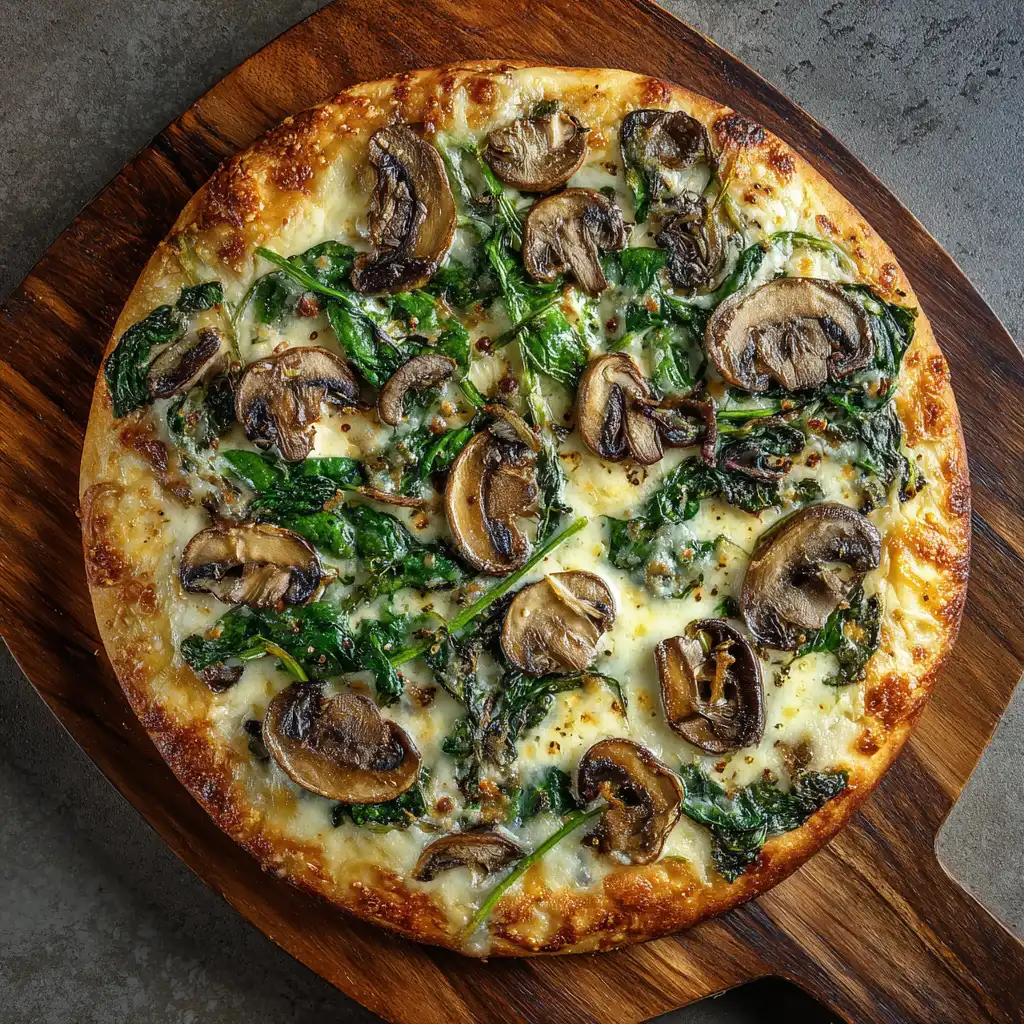
Layer the Toppings: Sprinkle half (3/4 cup) of the mozzarella cheese evenly over the crust. This layer acts as a moisture barrier. Next, spoon the pizza sauce randomly or spread lightly, leaving a 1-inch border. Top with the prepared spinach and the sautéed mushrooms.
-
Final Cheese Layer: Distribute the remaining mozzarella cheese, the shredded Parmesan or Asiago, and the optional red pepper flakes over the toppings.
-
Bake: Carefully slide the pizza onto the preheated pizza stone or place the baking sheet in the oven. Bake for 10–15 minutes, or until the crust is golden brown and the cheese is melted and bubbly.
-
Finish and Serve: Remove the pizza from the oven. Immediately sprinkle with fresh basil leaves. Let cool for 2-3 minutes before slicing and serving.
Mastering the Foundation: Crust and Sauce Selection
The secret to a great homemade pizza lies in the quality and preparation of the base layers. Choosing the right crust and sauce determines the overall profile of your spinach and mushroom creation.
The Dynamics of Pizza Dough
While store-bought dough offers speed, preparing your own allows for superior texture and flavor.
-
No-Knead Dough: For the home cook, the no-knead method is a game-changer. Requiring just flour, yeast, salt, and water, this dough develops flavor and gluten structure over a long, cool rise (8–12 hours). This process creates an airy, flavorful crust with minimal effort.
-
Whole Wheat and Specialty Doughs: To boost nutritional content, consider swapping a portion of all-purpose flour for whole wheat flour. For those seeking unique flavor, a honey wheat dough adds a subtle sweetness that perfectly complements the savory, earthy toppings.
-
The Cornmeal Dust: Always dust your pizza peel or baking pan with cornmeal before placing the dough. This simple step acts as miniature ball bearings, preventing sticking and facilitating a smooth transfer onto a hot stone while adding a slight textural crunch to the finished crust.
Choosing Your Base Sauce
The standard tomato sauce is versatile, but spinach and mushroom pizza shines equally well with alternative bases.
-
Classic Marinara: Use a high-quality, lightly seasoned tomato sauce. For a deep dish version, some recipes suggest combining prepared sauce with diced tomatoes and spooning small mounds over the final layer of cheese.
-
Ricotta White Sauce: This is a popular, creamy, and lighter alternative to Alfredo. Whisk part-skim ricotta cheese with salt, Italian seasoning, and dried basil. Spread this mixture directly onto the crust. The ricotta provides richness and helps hold the toppings in place without the heaviness of a thick cream sauce.
-
Garlic Oil Base: For a simple, vibrant flavor, skip the tomato and ricotta entirely. Brush the crust with a mixture of olive oil, minced fresh garlic, and a touch of garlic salt. This allows the natural flavors of the vegetables and the cheese to dominate, resulting in a crispier, more rustic pizza.
The Art of Topping Preparation: Preventing Soggy Pizza
The biggest threat to a perfect homemade pizza is moisture. Both spinach and mushrooms contain a high water content, and failing to prepare them properly will result in a heavy, steaming, and soggy crust. This moisture management is the most critical step for a professional-grade result.
Strategic Mushroom Sautéing
Mushrooms act like sponges and must be cooked down before they go on the pizza.
-
Use a Dry Skillet: Place the sliced mushrooms (cremini, shiitake, or button) in a skillet over high heat with no oil.
-
Cook Out the Moisture: As the mushrooms heat, they will release a significant amount of liquid. Continue cooking and stirring until all the liquid has fully evaporated.
-
Flavor Finish: Only after the moisture is gone, add a small amount of butter, olive oil, and complementary herbs like dried thyme or fresh garlic. Cook for 1-2 minutes until they are golden brown and fragrant. This process concentrates their umami flavor and prevents them from steaming the dough in the oven.
Preparing Spinach for Pizza
The best method depends on the type of spinach you use.
-
Fresh Baby Spinach: While fresh leaves are convenient, they will wilt dramatically and release moisture during baking. It is best to lightly wilt the spinach in a hot skillet with a tiny bit of oil and salt. Once wilted, immediately press the spinach into a strainer or a clean kitchen towel to forcefully squeeze out all excess liquid.
-
Frozen Chopped Spinach: If using frozen, the preparation is simpler but requires more rigor. Thaw the spinach completely and then use both hands to squeeze it until it is bone-dry. The difference between properly and improperly dried frozen spinach is the difference between a golden crust and a gummy mess.
Layering for Success
Toppings should be layered thoughtfully to protect the crust:
-
The Barrier: Always place a light layer of shredded, low-moisture mozzarella cheese or a thin brush of oil directly on the dough before adding wet ingredients like sauce or vegetables. This creates a fat barrier that shields the dough from steam.
-
The Anchor: Place the moisture-managed spinach and mushrooms over the sauce (or cheese/oil base).
-
The Lid: Finish with the bulk of your mozzarella and Parmesan cheese. Baking the cheese on top helps hold the lighter spinach and mushrooms in place and creates a golden, bubbly seal.
Essential Flavor Boosters and Cheese Pairings
The classic spinach and mushroom pizza is inherently delicious, but small additions can customize and dramatically enhance its profile, transforming it from good to truly gourmet.
The Power of Aromatic Additions
-
Garlic Infusion: Minced garlic is the perfect complement to spinach and mushrooms. Incorporate it by mixing it into the olive oil used to brush the crust, or by briefly sautéing it with the mushrooms just before finishing them.
-
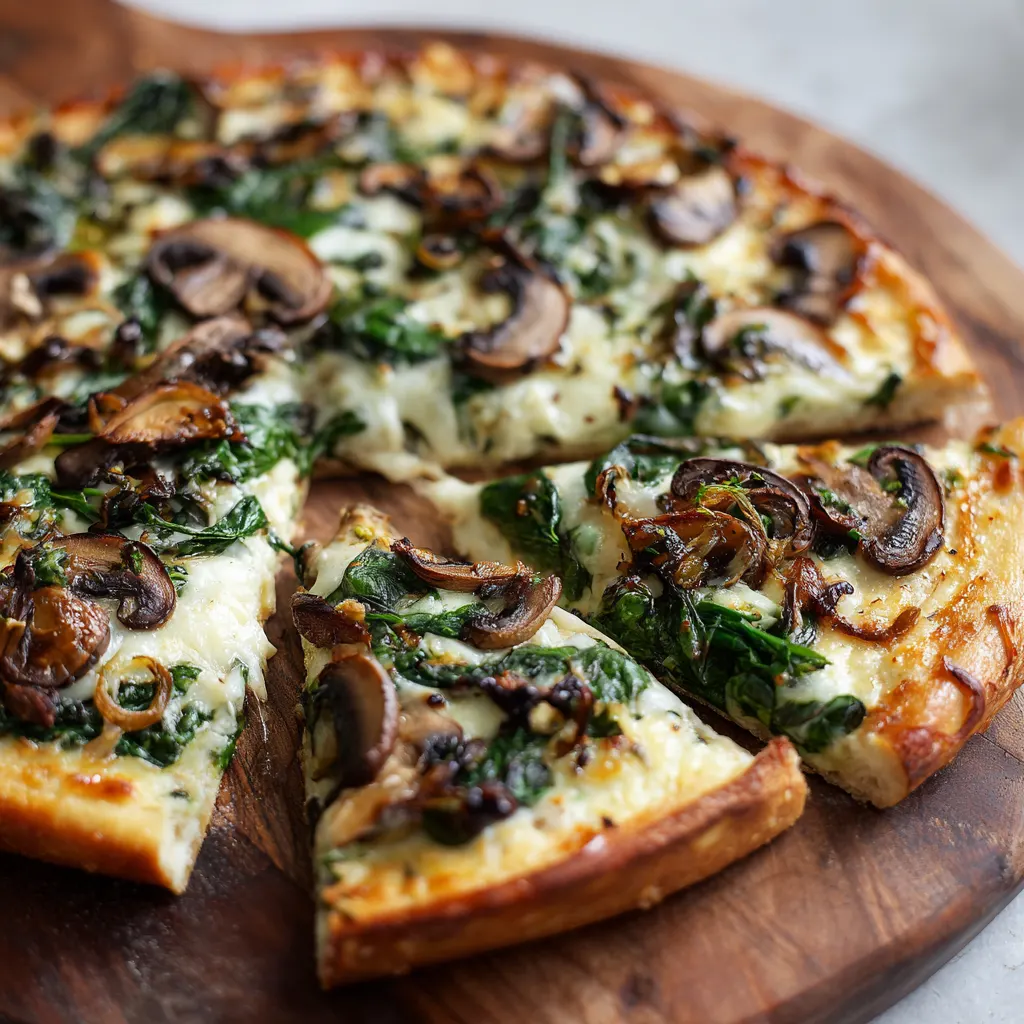
Caramelized Onions: Adding caramelized onions introduces a savory sweetness that balances the earthiness of the mushrooms. Caramelizing onions is a slow, low-heat process (10-15 minutes) that breaks down their sugars, resulting in a jam-like consistency that melts into the cheese beautifully.
-
Fresh Herbs and Spice: Finishing the pizza after it comes out of the oven is crucial. Torn fresh basil and a sprinkle of crushed red pepper flakes add brightness, aroma, and a hint of heat. Mixed herbs, like oregano and Italian seasoning, can be stirred into the sauce or ricotta base for depth.
Choosing and Combining Cheeses
While mozzarella is mandatory for its melt and stretch, the accompanying cheeses dictate the flavor profile.
-
Mozzarella (The Melter): Use low-moisture, shredded mozzarella for the best melting properties. Fresh mozzarella is delicious but contains high water content and should be used sparingly or sliced thinly and patted dry.
-
Ricotta (The Creamer): Ricotta forms the creamy base for white pizzas, offering a rich, milky tang. Small dollops of extra ricotta added on top right before baking can create pockets of soft, luscious creaminess.
-
Feta (The Tang): Feta cheese provides a salty, tangy counterpoint that pairs exceptionally well with spinach. Its crumbly texture is best sprinkled on top of the vegetables, adding a unique Mediterranean twist.
-
Asiago/Parmesan (The Nutty Finish): A hard, sharp cheese like Parmesan or Asiago should be used as a final sprinkle. These cheeses contribute a rich, nutty, and salty umami that crisps up slightly in the oven and enhances the overall complexity.
Baking Excellence: Temperature and Equipment
Achieving a perfectly crisp crust, golden cheese, and tender vegetables requires precision in heat management. The method and equipment you choose will define the crust texture.
The Importance of High Heat
Pizzas generally require high heat to bake quickly, preventing the toppings from drying out while ensuring the crust achieves a desirable spring and char.
-
Ideal Temperature Range: Most successful recipes recommend an oven temperature between 425°F and 475°F. This range is high enough to activate the dough rapidly, creating a crisp exterior.
-
The Bake Time Sweet Spot: At 450°F, a thin-crust pizza will typically bake in 10-15 minutes. For a deep-dish style, a slightly lower temperature (375°F) for a longer period (18-20 minutes) is recommended to allow the dough to cook all the way through without burning the top.
Essential Equipment
-
Pizza Stone or Steel: A pizza stone (ceramic) or pizza steel (metal) is the gold standard. These pieces of equipment absorb and retain heat, providing a concentrated, radiant heat source directly to the bottom of the dough. The stone or steel must be preheated in the oven for 30 minutes to an hour to reach its full potential, resulting in a crust that is restaurant-quality crisp.
-
Baking Sheet: If a stone isn’t available, an inverted, preheated baking sheet placed on the lowest rack can serve as a decent substitute, though the heat transfer won’t be as intense.
-
Grill Pan: For an authentically smoky flavor, the grill method is excellent. Cook the dough briefly on a cast-iron grill pan (or directly on a clean grill grate) to get char marks, then flip it, add the toppings, and finish baking in the oven or under a lid on the grill. This technique is especially good for thinner crusts and white pizzas.
Beyond the Classic: Creative Recipe Variations and Serving Tips
The spinach and mushroom combination is just the beginning. By making simple ingredient swaps, you can create fundamentally different and equally exciting pizzas.
Gourmet Pizza Variations
-
The Deep Dish Spinach and Mushroom Pie: This style often uses a prepared, frozen Italian bread dough base for a thicker, chewier crust. The topping order is frequently reversed: cheese first, then vegetables, then sauce in small dollops on top, creating a true pie-like structure.
-
Grilled White Pizza with Alfredo: For a richness that contrasts the earthiness of the toppings, use Alfredo sauce as the base. Apply the sauce to a honey-wheat dough that has been pre-grilled for char marks. Top with sautéed mushrooms, fresh spinach, mozzarella, and a garnish of red pepper flakes after baking.
-
The Health-Conscious Crust: Opt for a thin, whole-grain crust or even non-traditional bases like naan bread for individual servings. Using part-skim ricotta and part-skim mozzarella helps lower the fat content without sacrificing the creamy texture.
Preparation and Storage Tips
-
The Freeze-Ahead Strategy: To save time, toppings like caramelized onions and sautéed mushrooms can be prepared days in advance and stored in the refrigerator.
-
Freezing Leftovers: If you have slices remaining, allow them to cool completely. Wrap 2-3 slices tightly in plastic wrap, followed by a layer of aluminum foil, and place in a freezer bag. To reheat, remove the wrapping and place the frozen slices directly on a baking sheet or oven rack in a 325°F oven for 10-15 minutes, or use an air fryer to quickly restore the crust’s crispness. Avoid microwave reheating, which turns the crust soft and rubbery.
-
Serving Suggestion: Pair this hearty vegetarian pizza with a light, peppery Arugula salad dressed simply with lemon juice and olive oil. The bitterness of the arugula and the acidity of the lemon cuts through the richness of the cheese, completing the meal perfectly.