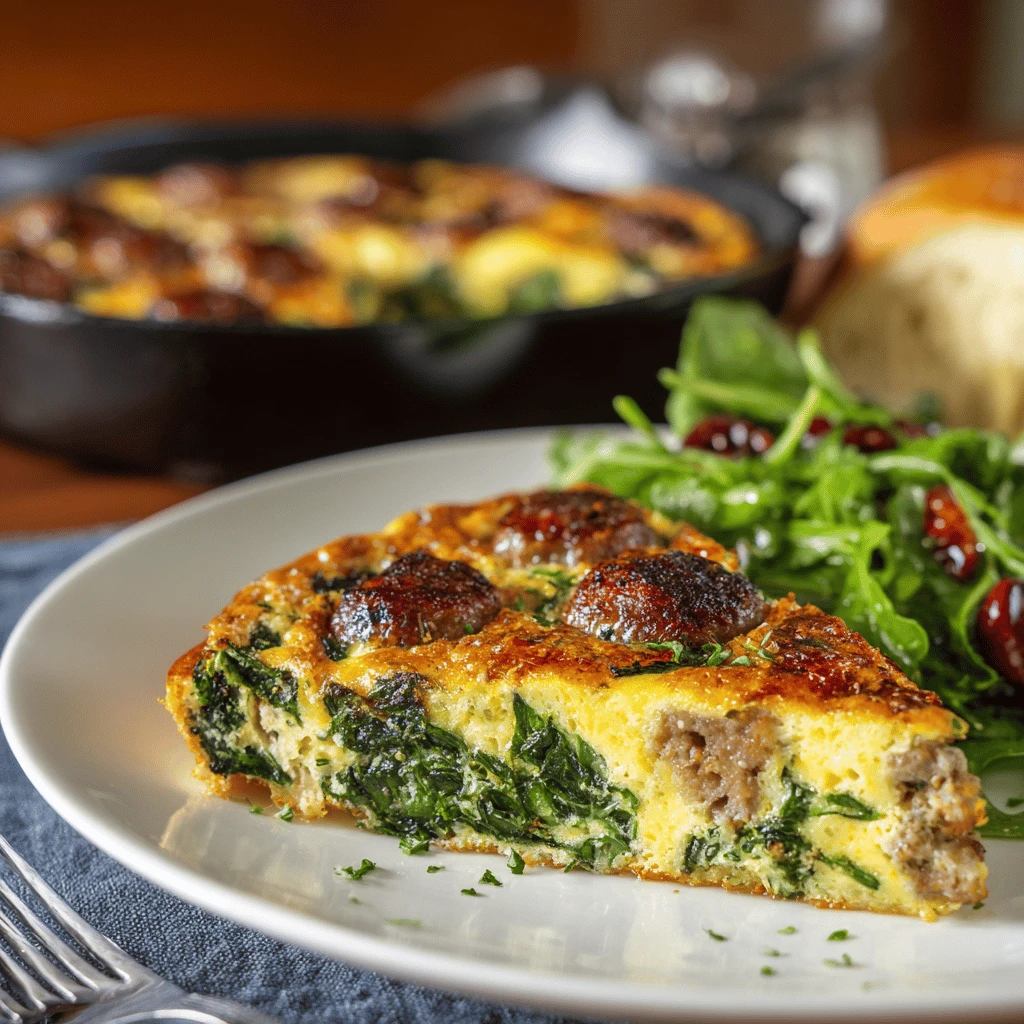
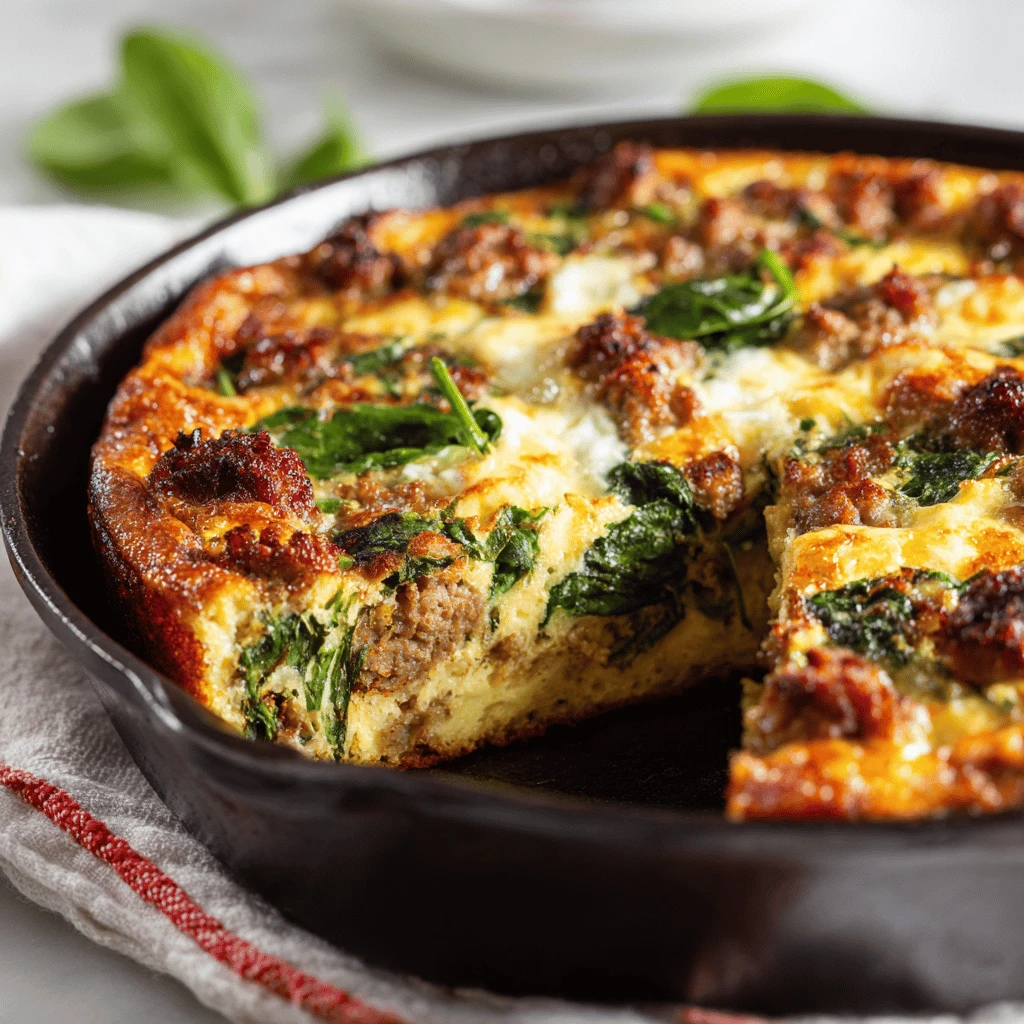
Spinach and Sausage Frittata
A spinach and sausage frittata is a delicious and versatile dish, perfect for breakfast, brunch, lunch, or even a light dinner. It’s a simple way to get a protein-packed and nutrient-rich meal on the table quickly, and the best part is that it’s endlessly customizable to suit your tastes and dietary needs. This guide will walk you through creating the perfect spinach and sausage frittata, covering everything from choosing the right ingredients to mastering the cooking technique.
Choosing Your Ingredients
The foundation of a great frittata lies in the quality of its ingredients. Selecting fresh, flavorful components will elevate your dish from simple to spectacular.
The Eggs: The Heart of the Frittata
Eggs are the star of the show, providing the structure and richness that defines a frittata. Choose fresh, high-quality eggs for the best flavor and texture. Opt for organic or pasture-raised eggs if possible, as they often have richer yolks and a more vibrant flavor.
Consider the size of your pan when determining the number of eggs to use. A good rule of thumb is to use approximately 6-8 eggs for a 10-inch skillet. You can also add a splash of milk or cream to the egg mixture for extra richness and a softer texture, but this is entirely optional. Avoid adding too much liquid, as it can make the frittata watery.
Sausage Selection: Flavor and Texture
Sausage adds a savory depth and satisfying heartiness to the frittata. There are many types of sausage to choose from, each offering a unique flavor profile.
- Italian Sausage: Available in mild, sweet, or hot varieties, Italian sausage is a classic choice for a frittata. The fennel seeds and other spices in Italian sausage complement the spinach and eggs beautifully.
- Breakfast Sausage: Ground breakfast sausage provides a familiar and comforting flavor. Look for varieties that are seasoned with sage, thyme, and other savory herbs.
- Chorizo: For a spicier kick, consider using chorizo. Its smoky, paprika-infused flavor adds a vibrant touch to the frittata.
- Chicken or Turkey Sausage: For a leaner option, chicken or turkey sausage are excellent substitutes. Choose varieties that are well-seasoned to ensure they pack enough flavor.
No matter which type of sausage you choose, be sure to remove it from its casings (if necessary) and cook it thoroughly before adding it to the frittata. Drain off any excess grease to prevent the frittata from becoming oily.
Spinach: Fresh or Frozen?
Spinach is a nutritional powerhouse, adding vitamins, minerals, and a vibrant green color to the frittata. You can use either fresh or frozen spinach, depending on your preference and availability.
- Fresh Spinach: If using fresh spinach, wash it thoroughly and remove any tough stems. Sauté the spinach lightly in a pan with a bit of olive oil until it wilts down. This helps to reduce its volume and remove excess moisture.
- Frozen Spinach: Frozen spinach is a convenient option that can be used directly from the freezer. Be sure to thaw it completely and squeeze out as much excess water as possible before adding it to the frittata. This will prevent the frittata from becoming soggy.
Cheese: Creaminess and Flavor
Cheese adds a creamy texture and enhances the overall flavor of the frittata. There are many types of cheese that work well in a frittata, so feel free to experiment and find your favorites.
- Parmesan: Grated Parmesan cheese adds a salty, savory note to the frittata. It melts beautifully and complements the other ingredients well.
- Cheddar: Shredded cheddar cheese provides a sharp, tangy flavor and a creamy texture. It’s a versatile choice that pairs well with sausage and spinach.
- Mozzarella: Shredded mozzarella cheese melts beautifully and creates a gooey, cheesy layer in the frittata.
- Feta: Crumbled feta cheese adds a salty, tangy flavor and a slightly crumbly texture. It’s a great option for those who enjoy a bolder cheese flavor.
- Goat Cheese: Soft goat cheese adds a creamy, tangy flavor and a luxurious texture to the frittata.
Optional Add-ins: Customizing Your Frittata
The beauty of a frittata is that it’s incredibly versatile and can be easily customized to your liking. Consider adding other vegetables, herbs, or spices to enhance the flavor and texture of your frittata.
- Vegetables: Diced onions, bell peppers, mushrooms, tomatoes, or zucchini can all be added to the frittata for extra flavor and nutrition. Sauté the vegetables lightly before adding them to the egg mixture.
- Herbs: Fresh herbs like basil, oregano, thyme, or parsley can add a bright, aromatic flavor to the frittata. Chop the herbs finely and add them to the egg mixture.
- Spices: A pinch of red pepper flakes, garlic powder, onion powder, or paprika can add a subtle warmth and complexity to the frittata.
Preparing the Frittata: Step-by-Step Instructions
Now that you have all your ingredients ready, it’s time to start preparing the frittata. Follow these step-by-step instructions for a foolproof recipe.
Step 1: Preheat and Prepare
Preheat your oven to 350°F (175°C). While the oven is heating, prepare your ingredients. Cook the sausage, sauté the spinach (if using fresh), and chop any additional vegetables you’re adding.
Step 2: Whisk the Eggs
In a large bowl, whisk together the eggs, milk or cream (if using), salt, and pepper until well combined. Be careful not to overwhip the eggs, as this can make the frittata tough.
Step 3: Assemble the Frittata
In an oven-safe skillet, heat a tablespoon of olive oil over medium heat. Add the cooked sausage and sautéed spinach to the skillet, spreading them evenly over the bottom. Pour the egg mixture over the sausage and spinach. Sprinkle the cheese evenly over the top.
Step 4: Cook on the Stovetop
Cook the frittata on the stovetop for about 5-7 minutes, or until the edges begin to set. This will help to create a nice crust on the bottom of the frittata.
Step 5: Bake in the Oven
Transfer the skillet to the preheated oven and bake for 15-20 minutes, or until the frittata is set in the center and the cheese is melted and bubbly.
Step 6: Let it Rest
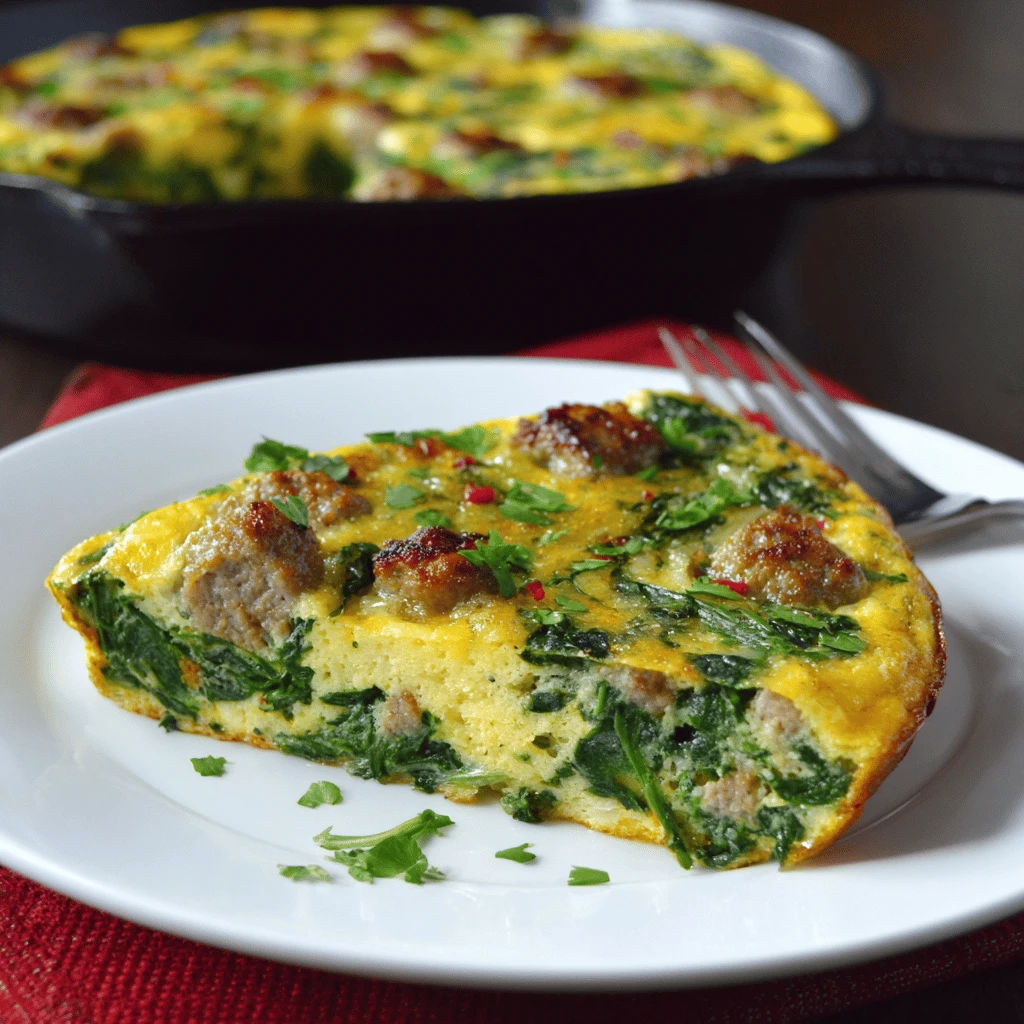
Remove the frittata from the oven and let it rest for a few minutes before slicing and serving. This will allow the frittata to set further and make it easier to slice.
Tips and Tricks for Frittata Perfection
Here are a few tips and tricks to help you achieve frittata perfection:
- Use an oven-safe skillet: Make sure your skillet is oven-safe before you start cooking. Cast iron skillets are ideal for making frittatas, as they distribute heat evenly and can withstand high temperatures.
- Don’t overcook the frittata: Overcooking the frittata can make it dry and rubbery. Cook it just until it’s set in the center and the cheese is melted and bubbly.
- Let it rest before slicing: Letting the frittata rest for a few minutes before slicing will allow it to set further and make it easier to slice.
- Get creative with your fillings: Don’t be afraid to experiment with different fillings and flavor combinations. The possibilities are endless!
Serving and Storing Your Frittata
A spinach and sausage frittata can be served hot, warm, or cold, making it a versatile dish for any occasion.
Serving Suggestions
- Breakfast or Brunch: Serve the frittata with a side of toast, fruit, or yogurt for a complete and satisfying breakfast or brunch.
- Lunch or Dinner: Serve the frittata with a side salad or roasted vegetables for a light and healthy lunch or dinner.
- Party Appetizer: Cut the frittata into small squares and serve it as an appetizer at your next party.
Storage Instructions
- Refrigerating: Leftover frittata can be stored in the refrigerator for up to 3-4 days. Wrap it tightly in plastic wrap or store it in an airtight container.
- Reheating: Reheat the frittata in the oven, microwave, or stovetop until heated through.
- Freezing: Frittata can also be frozen for longer storage. Wrap it tightly in plastic wrap and then in aluminum foil. Freeze for up to 2-3 months. Thaw the frittata in the refrigerator overnight before reheating.
Frittata Variations: Exploring Different Flavors
One of the best things about a frittata is its versatility. You can easily adapt the recipe to suit your tastes and dietary needs by swapping out ingredients and experimenting with different flavor combinations.
Vegetarian Frittata
Omit the sausage and add more vegetables, such as mushrooms, bell peppers, zucchini, or onions. Consider adding a sprinkle of Parmesan cheese or a dollop of ricotta cheese for extra flavor.
Mediterranean Frittata
Add sun-dried tomatoes, olives, feta cheese, and fresh oregano for a Mediterranean-inspired frittata.
Southwestern Frittata
Add black beans, corn, salsa, and cheddar cheese for a Southwestern-style frittata. Top with a dollop of sour cream or guacamole.
Mushroom and Gruyere Frittata
Sauté sliced mushrooms with garlic and thyme. Add Gruyere cheese for a rich and savory frittata.
Asparagus and Goat Cheese Frittata
Blanch asparagus spears and add them to the frittata along with crumbled goat cheese.
Frequently Asked Questions
Can I make a frittata ahead of time?
Yes, you can make a frittata ahead of time and store it in the refrigerator for up to 3-4 days. It’s a great option for meal prepping or for serving at a brunch.
Can I freeze a frittata?
Yes, you can freeze a frittata for longer storage. Wrap it tightly in plastic wrap and then in aluminum foil. Freeze for up to 2-3 months. Thaw the frittata in the refrigerator overnight before reheating.
What size skillet should I use?
A 10-inch skillet is a good size for a standard frittata recipe. You can adjust the number of eggs and other ingredients accordingly if you are using a different size skillet.
Can I use different types of cheese?
Yes, you can use different types of cheese in a frittata. Experiment with different flavors and textures to find your favorites. Some popular choices include Parmesan, cheddar, mozzarella, feta, and goat cheese.
How do I know when the frittata is done?
The frittata is done when it is set in the center and the cheese is melted and bubbly. You can test the doneness by inserting a knife into the center of the frittata. If the knife comes out clean, the frittata is done.