Sweet and Sour Chicken Stir-Fry: A Flavor-Packed Delight
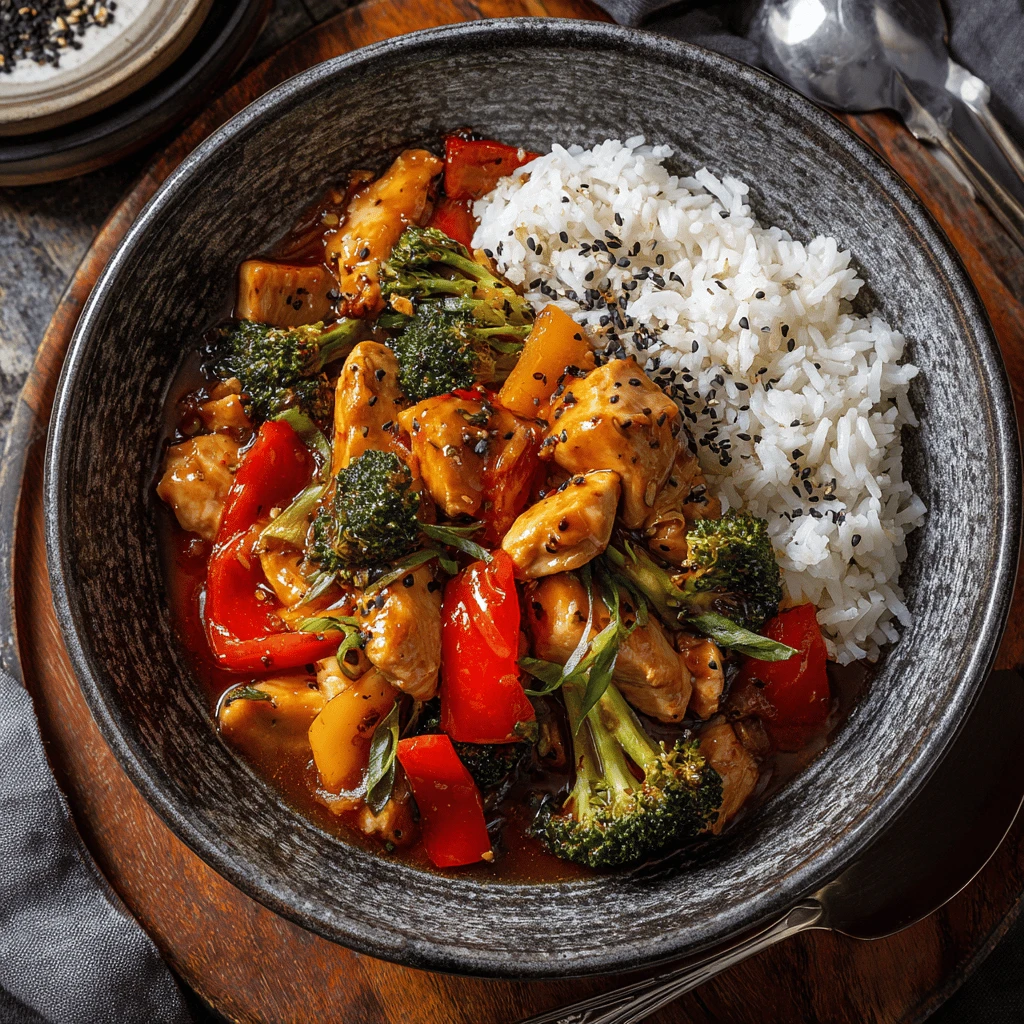
Sweet and sour chicken stir-fry is a culinary classic, offering a delightful balance of tangy, sweet, and savory flavors. This vibrant dish combines tender chicken pieces with a medley of colorful vegetables, all coated in a luscious sauce. Whether you’re a seasoned cook or a kitchen novice, this guide will walk you through creating the perfect sweet and sour chicken stir-fry at home.
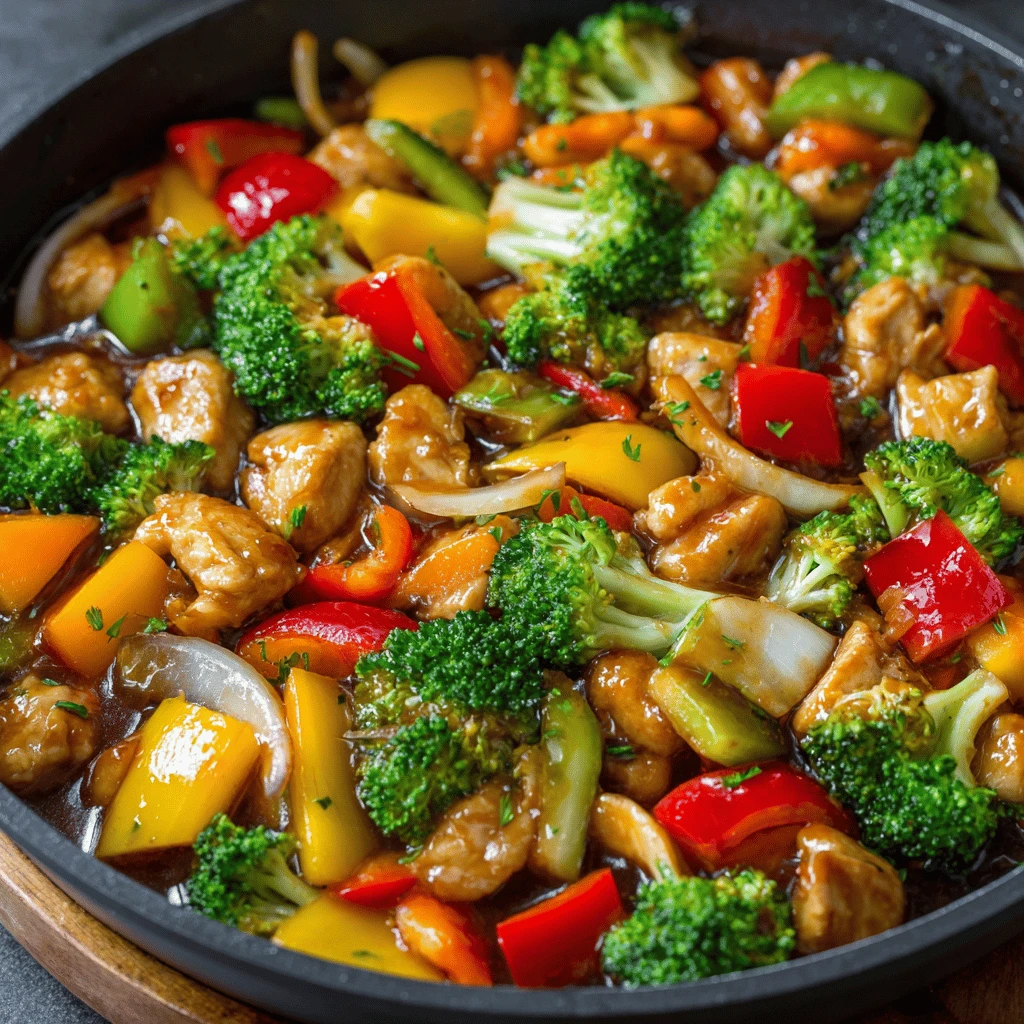
The Allure of Sweet and Sour Chicken Stir-Fry
This dish’s popularity stems from its satisfying taste and versatility. It’s a quick and easy weeknight meal that can be customized to suit your preferences. The combination of protein-rich chicken, nutrient-packed vegetables, and a flavorful sauce makes it a complete and balanced meal. Plus, the vibrant colors and appealing aroma make it a feast for the senses. The interplay of sweet and sour is truly irresistible.
Understanding the Flavor Profile
The key to a great sweet and sour chicken stir-fry lies in the balance of its distinct flavors. The sweetness typically comes from sugar, honey, or pineapple juice, while the sourness is derived from vinegar, lemon juice, or even ketchup. The savory element is usually provided by soy sauce, garlic, and ginger. Achieving the perfect harmony of these components is what elevates the dish from ordinary to extraordinary.
Why Make it at Home?
While takeout is convenient, making sweet and sour chicken stir-fry at home allows you to control the ingredients and customize the flavors to your liking. You can use fresh, high-quality ingredients, adjust the sweetness and sourness to your preference, and avoid the excessive sodium and additives often found in restaurant versions. Furthermore, cooking at home is a rewarding experience that allows you to connect with your food and impress your family and friends.
Mastering the Ingredients
The quality of your ingredients significantly impacts the final outcome of your sweet and sour chicken stir-fry. Selecting the right chicken, vegetables, and sauce components is crucial for achieving that perfect balance of flavors and textures.
Choosing the Right Chicken
Boneless, skinless chicken breasts or thighs are the most commonly used cuts for stir-fries. Chicken breasts are leaner, while chicken thighs are more flavorful and tender. Cut the chicken into bite-sized pieces for even cooking and easy eating. Consider marinating the chicken for at least 30 minutes, or even overnight, to enhance its flavor and tenderness. A simple marinade of soy sauce, ginger, garlic, and a touch of cornstarch works wonders.
Selecting Fresh and Vibrant Vegetables
A colorful array of vegetables adds visual appeal and nutritional value to your stir-fry. Bell peppers (red, yellow, and green), onions, pineapple chunks, carrots, and broccoli are popular choices. Other options include snap peas, water chestnuts, and baby corn. Choose fresh, firm vegetables that are free from blemishes. Cut the vegetables into uniform sizes to ensure even cooking.
Crafting the Perfect Sweet and Sour Sauce
The sauce is the heart of this dish, binding all the ingredients together and providing that signature sweet and sour flavor. There are countless variations, but a classic recipe typically includes:
- Sweetener: Sugar, honey, brown sugar, or pineapple juice
- Sour Agent: Rice vinegar, white vinegar, or apple cider vinegar
- Savory Base: Soy sauce, ketchup, or tomato paste
- Aromatics: Garlic, ginger, and sometimes a pinch of red pepper flakes
- Thickener: Cornstarch slurry (cornstarch mixed with water)
Experiment with different ratios of these ingredients to create a sauce that perfectly suits your taste.
Step-by-Step Guide to Sweet and Sour Chicken Stir-Fry
Now that you have your ingredients ready, let’s dive into the cooking process. This step-by-step guide will walk you through each stage, ensuring a delicious and successful sweet and sour chicken stir-fry.
Preparing the Ingredients
Before you start cooking, it’s essential to prep all your ingredients. This will streamline the process and prevent you from scrambling to chop vegetables while your chicken is burning.
1. Cut the Chicken: Cut the chicken into bite-sized pieces and marinate it in a mixture of soy sauce, ginger, garlic, and cornstarch (optional). Let it marinate for at least 30 minutes.
2. Chop the Vegetables: Wash and chop all the vegetables into uniform sizes.
3. Prepare the Sauce: In a small bowl, whisk together the ingredients for your sweet and sour sauce. Set aside.
4. Cook Rice: Start cooking your rice according to package directions.
The Stir-Fry Process
Stir-frying is a quick cooking method that requires high heat and constant movement. This ensures that the ingredients cook evenly and retain their crispness.
1. Heat the Wok or Skillet: Heat a wok or large skillet over high heat. Add a tablespoon or two of vegetable oil.
2. Cook the Chicken: Add the marinated chicken to the hot wok and stir-fry until cooked through and lightly browned. Remove the chicken from the wok and set aside.
3. Sauté the Vegetables: Add more oil to the wok if needed. Add the vegetables and stir-fry until they are tender-crisp.
4. Combine and Simmer: Return the cooked chicken to the wok with the vegetables. Pour the sweet and sour sauce over the chicken and vegetables. Bring to a simmer and cook until the sauce has thickened.
Serving and Garnishing
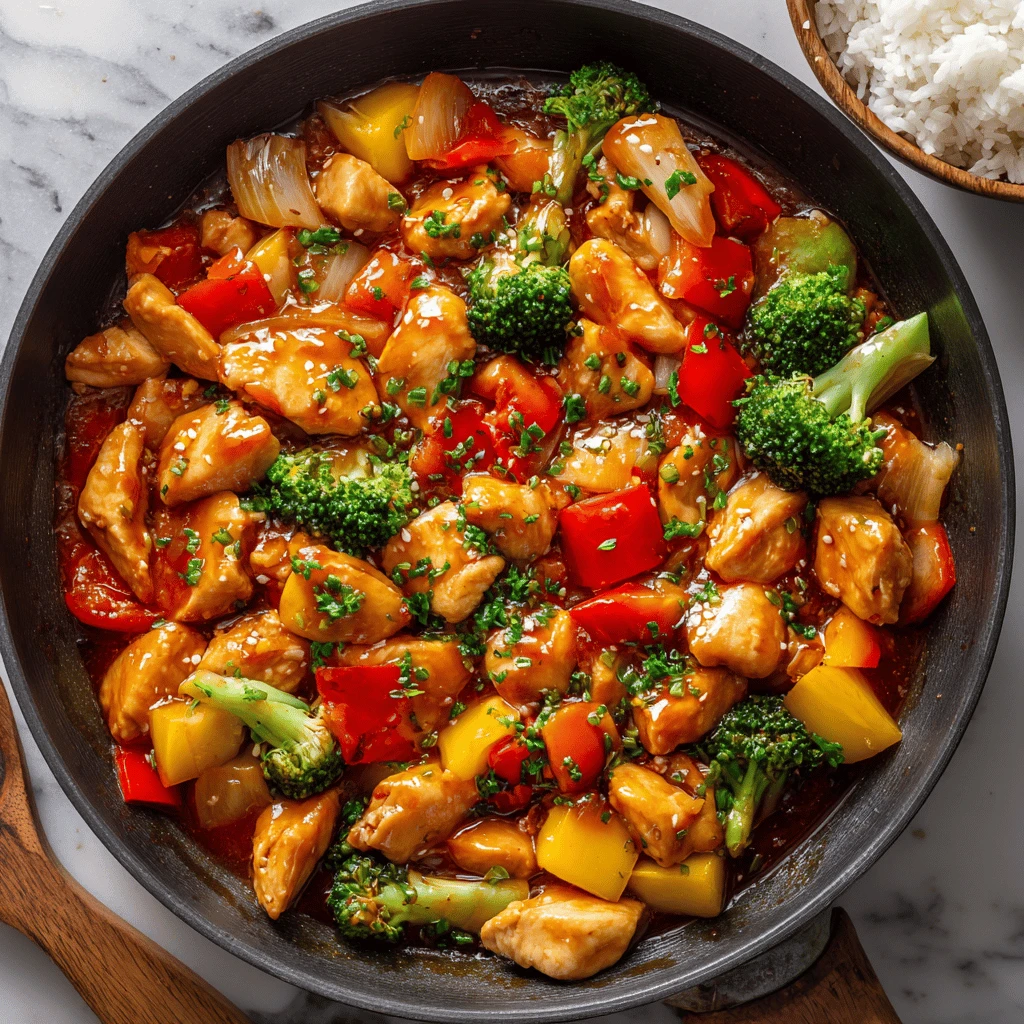
Once the sauce has thickened and coats the chicken and vegetables, your sweet and sour chicken stir-fry is ready to serve.
1. Serve Hot: Serve the stir-fry hot over cooked rice.
2. Garnish: Garnish with sesame seeds, chopped green onions, or a sprinkle of red pepper flakes for added flavor and visual appeal.
Tips and Tricks for the Perfect Stir-Fry
To elevate your sweet and sour chicken stir-fry to the next level, consider these helpful tips and tricks.
Achieving the Perfect Texture
The key to a great stir-fry texture is cooking the ingredients properly. Avoid overcrowding the wok, as this will lower the temperature and result in steamed, rather than stir-fried, ingredients. Cook in batches if necessary. Ensure the chicken is cooked through but not overcooked, and the vegetables are tender-crisp, retaining their natural crunch.
Balancing Sweetness and Sourness
Adjusting the sweetness and sourness of the sauce is crucial to achieving the perfect flavor balance. Start with the recommended ratios in the recipe, and then taste and adjust as needed. If the sauce is too sweet, add a splash of vinegar or lemon juice. If it’s too sour, add a touch of sugar or honey.
Adding a Touch of Heat
For those who enjoy a bit of spice, consider adding a pinch of red pepper flakes to the sauce or a drizzle of chili oil to the finished dish. You can also incorporate spicy ingredients like jalapenos or sriracha.
Marinade Magic
Don’t underestimate the power of a good marinade. Marinating the chicken for even a short period can significantly improve its flavor and tenderness. Experiment with different marinades to find your favorite combination of flavors.
Wok Hei: The Breath of the Wok
“Wok hei” is a Cantonese term that refers to the slightly charred, smoky flavor that is imparted to food cooked in a wok over high heat. While it’s difficult to replicate the intense heat of a professional wok burner at home, you can achieve a similar effect by using a cast iron skillet or wok and ensuring that it is very hot before adding the ingredients.
Variations and Adaptations
One of the best things about sweet and sour chicken stir-fry is its versatility. You can easily adapt the recipe to suit your dietary needs and preferences.
Vegetarian/Vegan Options
To make a vegetarian or vegan version, simply substitute the chicken with tofu, tempeh, or a plant-based chicken alternative. Ensure that your sauce is also vegan-friendly by using a vegetarian oyster sauce alternative or omitting it altogether.
Low-Carb Adaptations
For a low-carb version, replace the sugar in the sauce with a sugar substitute like erythritol or stevia. Use cauliflower rice instead of regular rice. Increase the amount of vegetables and reduce the amount of sauce.
Gluten-Free Adaptations
To make a gluten-free version, use tamari instead of soy sauce. Tamari is a gluten-free soy sauce alternative. Ensure that all other ingredients are also gluten-free.
Customizing the Vegetables
Feel free to experiment with different vegetables based on your preferences and what’s in season. Some other great additions include mushrooms, zucchini, snow peas, and bean sprouts.
Frequently Asked Questions (FAQ)
Can I make sweet and sour chicken stir-fry ahead of time?
Yes, you can prepare the chicken and vegetables ahead of time and store them separately in the refrigerator. However, it’s best to make the sauce fresh just before cooking. Assembling the stir-fry just before serving ensures the best texture and flavor.
How long does sweet and sour chicken stir-fry last in the refrigerator?
Cooked sweet and sour chicken stir-fry can be stored in the refrigerator for up to 3-4 days. Be sure to store it in an airtight container to prevent it from drying out.
Can I freeze sweet and sour chicken stir-fry?
While you can freeze sweet and sour chicken stir-fry, the texture of the vegetables may change slightly upon thawing. For best results, freeze the stir-fry in a single layer on a baking sheet before transferring it to a freezer-safe container.
What kind of rice is best for sweet and sour chicken stir-fry?
Long-grain rice, such as jasmine or basmati rice, is a popular choice for sweet and sour chicken stir-fry. However, you can use any type of rice you prefer.
Can I use pineapple chunks in a can?
Yes, you can use pineapple chunks in a can, but fresh pineapple will provide a better flavor and texture. If using canned pineapple, be sure to drain it well before adding it to the stir-fry.
How can I make the sauce thicker?
If your sauce isn’t thickening, you can add more cornstarch slurry (cornstarch mixed with water). Mix equal parts of cornstarch and cold water, then whisk it into the sauce while it’s simmering. Be sure to add the slurry gradually, as too much cornstarch can make the sauce gummy.