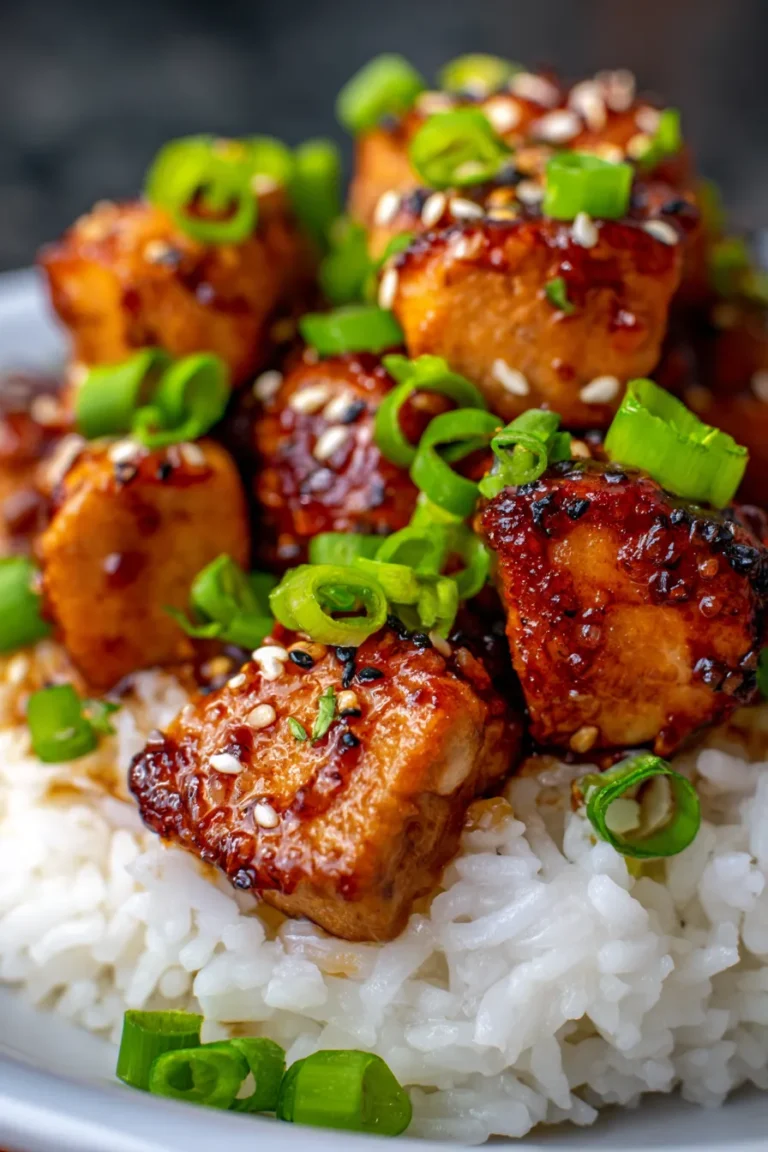
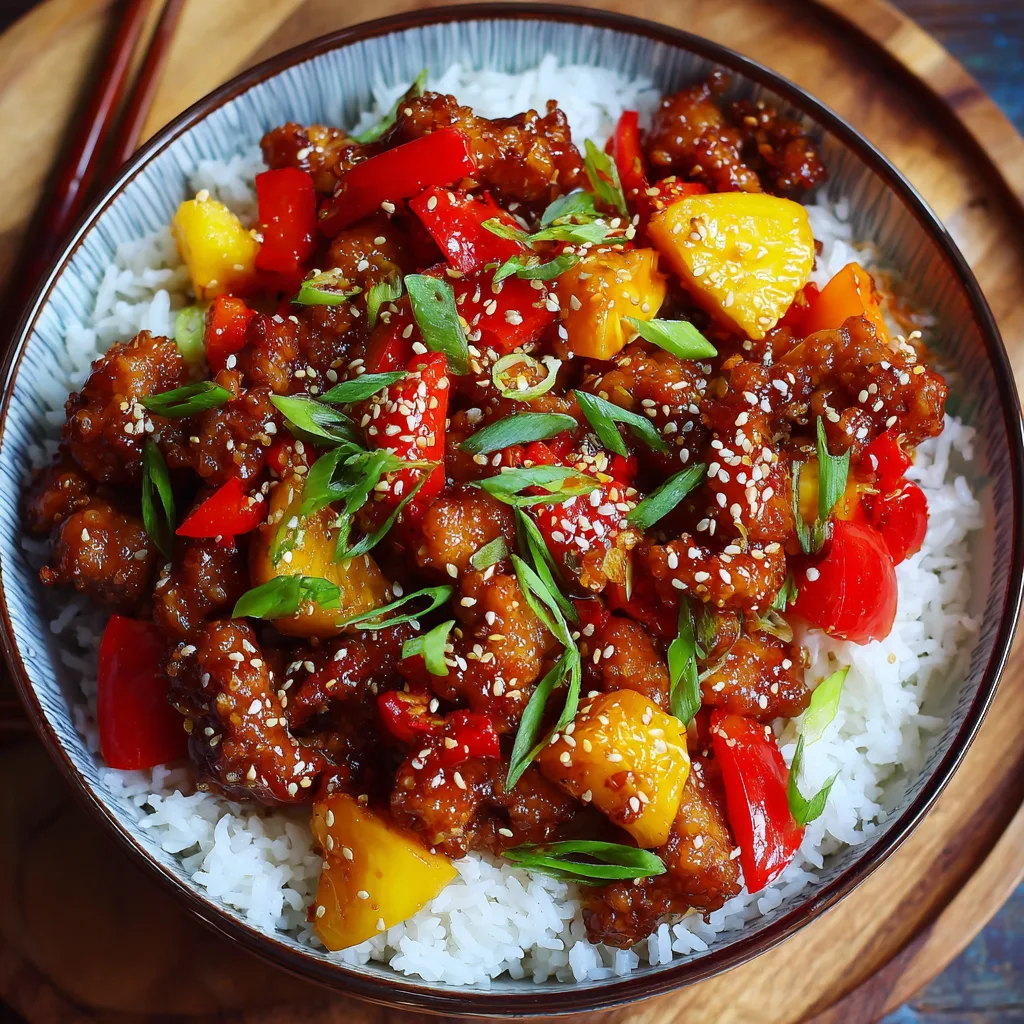
Sweet and Sour Pork is a legendary staple of Cantonese cuisine that has captured hearts globally. The magic lies in the contrast: the crunch of the golden-brown pork, the vibrant snap of fresh vegetables, and that iconic glossy glaze that perfectly balances tangy vinegar with sweet fruit notes. While it often seems like a dish reserved for professional wok chefs, achieving that restaurant-quality finish at home is surprisingly simple. By focusing on a few key techniques—like choosing the right cut of meat and mastering the “slurry” for your sauce—you can create a version that is fresher, healthier, and more flavorful than anything delivered in a plastic container.
The Essentials for Success
For the Pork & Marinade:
-
1 lb Pork Shoulder (Butt) or Tenderloin: Cut into 1-inch bite-sized cubes.
-
1 tbsp Soy Sauce: For depth and saltiness.
-
1 tsp Shaoxing Wine or Dry Sherry: To tenderize and add aroma.
-
1/2 tsp Toasted Sesame Oil: For a hint of nuttiness.
-
1 Egg White: This helps the cornstarch adhere for a crispier shell.
For the Crispy Coating:
-
1/2 cup Cornstarch: Provides a light, airy crunch.
-
1/4 cup All-Purpose Flour: Adds structure to the batter.
-
High-Smoke Point Oil: For frying (Vegetable, Canola, or Peanut oil).
For the Signature Sauce:
-
1/3 cup Ketchup: Provides the base body and color.
-
1/3 cup Rice Vinegar: For the essential “sour” punch.
-
1/4 cup Brown Sugar: To balance the acidity.
-
1 tbsp Soy Sauce: For savory balance.
-
2 tbsp Pineapple Juice: (Reserved from the canned pineapple).
For the Stir-Fry:
-
1 cup Pineapple Chunks: Fresh or canned (in juice).
-
1 Green Bell Pepper: Deseeded and cut into chunks.
-
1 Red Bell Pepper: For color and sweetness.
-
1 Small Onion: Cut into wedges.
-
2 cloves Garlic: Minced.
Step-by-Step Preparation
-
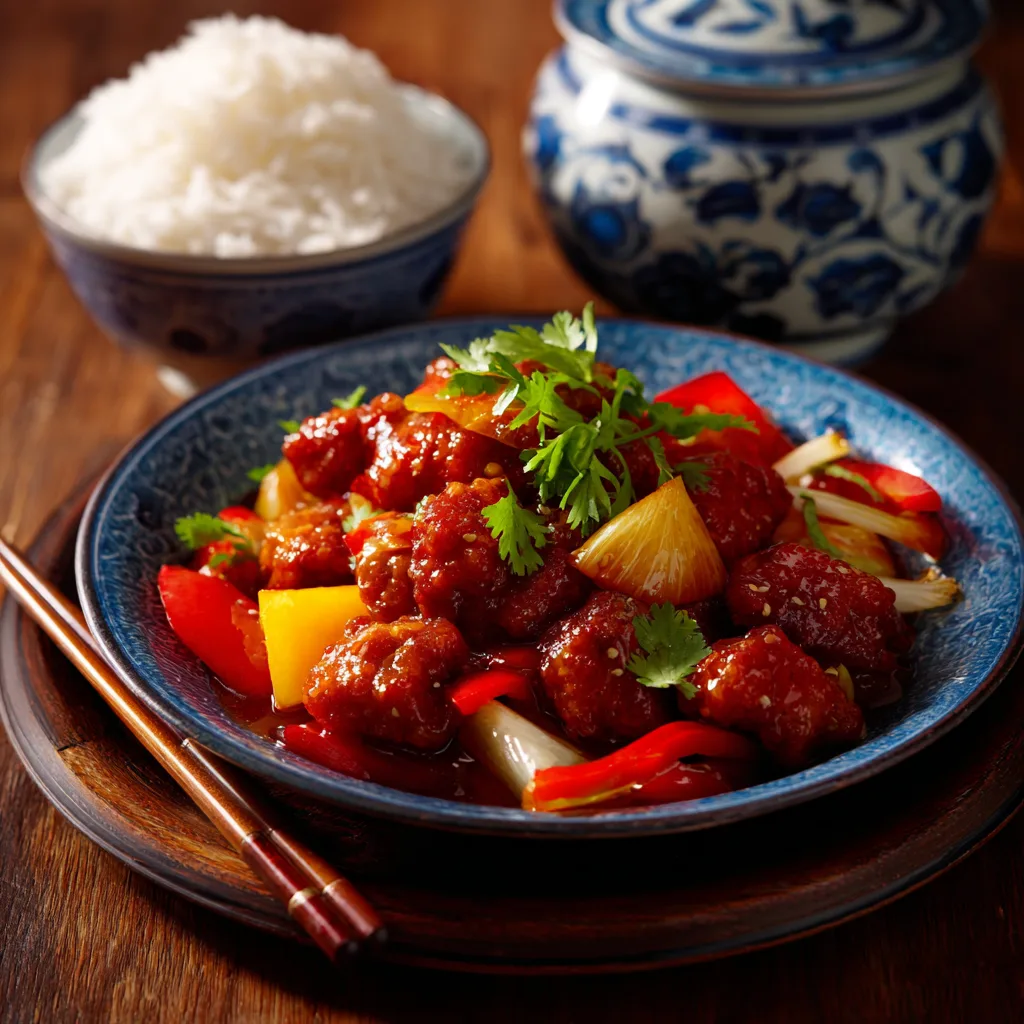
Marinate the Pork: In a medium bowl, combine the pork cubes with soy sauce, Shaoxing wine, sesame oil, and the egg white. Toss well and let it sit for at least 20 minutes. This ensures the meat remains juicy during the high-heat frying process.
-
Coat for Crunch: Whisk the cornstarch and flour together in a shallow bowl. Dredge each piece of marinated pork in the mixture, pressing firmly so the coating sticks. Shake off any excess.
-
The First Fry: Heat about 2 inches of oil in a heavy-bottomed pot or wok to 350°F (175°C). Fry the pork in small batches for 3–4 minutes until pale golden. Remove and drain on a wire rack.
-
The Double Fry (Pro Tip): For maximum crunch, increase the oil heat to 375°F (190°C) and flash-fry all the pork together for another 1–2 minutes until deep golden brown and very crispy. Set aside.
-
Whisk the Sauce: In a small jug, combine the ketchup, vinegar, sugar, soy sauce, and pineapple juice. Whisk until the sugar is dissolved.
-
Sauté the Aromatics: Heat 1 tablespoon of oil in a clean wok or large skillet over high heat. Add the onions and peppers, stir-frying for 2 minutes until slightly softened but still crisp. Add the garlic and pineapple chunks, tossing for another 30 seconds.
-
Emulsify and Toss: Pour the sauce into the pan with the vegetables. Let it bubble and thicken (about 1 minute). If it’s too thin, whisk in a small cornstarch slurry (1 tsp cornstarch + 1 tbsp water).
-
The Final Glaze: Quickly add the crispy pork back into the wok. Toss rapidly so every piece is coated in the glossy sauce, but don’t linger—you want to serve it while the pork is still shatteringly crisp. Serve immediately over steamed jasmine rice.
Choosing the Best Cut of Meat
The secret to tender sweet and sour pork starts at the butcher counter. While many recipes suggest pork loin, it can often become dry and tough when subjected to high-heat frying. For the most authentic experience, pork shoulder (also known as pork butt) is the gold standard. It contains just enough intramuscular fat to stay succulent and flavorful throughout the double-frying process.
If you prefer a leaner option, pork tenderloin is an excellent substitute. It is naturally soft and cooks very quickly, making it ideal for a weeknight version of this dish. Regardless of the cut, the key is consistency. Ensure your cubes are uniform in size—roughly one inch—so they cook at the exact same rate. This prevents the frustration of having some pieces overcooked while others remain underdone.
Mastering the Balance of Flavors
The hallmark of this dish is the sauce, and achieving the perfect equilibrium between sweet and sour is an art form. Traditional Cantonese recipes often used hawthorn flakes to achieve their tartness, but modern home cooking relies on the accessibility of rice vinegar and ketchup. The ketchup provides that iconic reddish hue and a thick consistency that clings to the pork without making it soggy.
If you find your sauce is too tart, add an extra teaspoon of brown sugar. If it feels too cloying, a splash more vinegar or a squeeze of lime juice can brighten the entire profile. Adding pineapple juice directly into the sauce mixture is a secret weapon; it introduces a natural, fruity acidity that links the fried pork to the fresh fruit pieces in the stir-fry, creating a cohesive flavor bridge.
Achieving the Perfect Crispy Texture
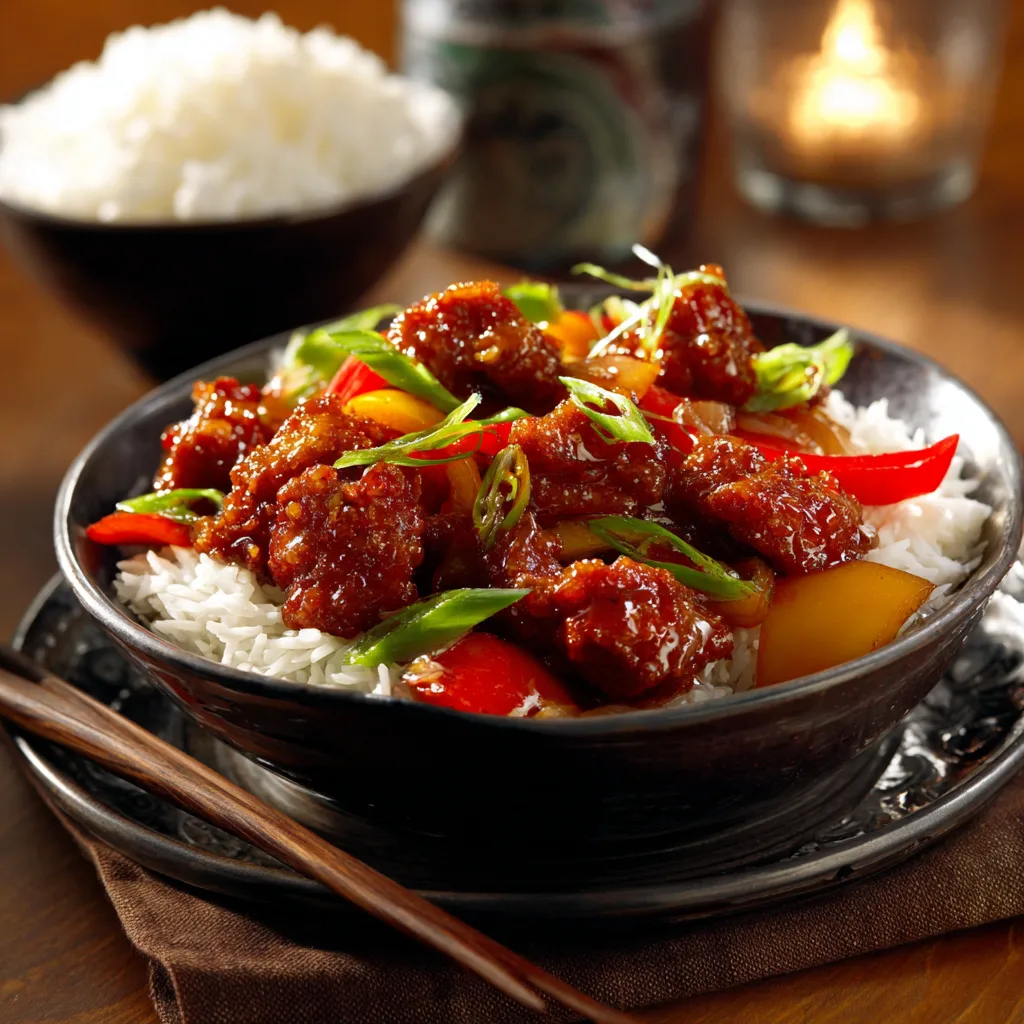
Texture is the soul of Sweet and Sour Pork. To prevent the meat from becoming “bready” or soft, the “Double Fry” method is your best friend. The first fry at a lower temperature cooks the meat through and sets the starch. The second fry at a higher temperature evaporates any remaining moisture in the coating, creating a durable, glass-like crunch that can stand up to being tossed in a warm sauce.
Using a mixture of cornstarch and flour is another professional trick. Cornstarch provides that light, “shattering” crispiness, while a small amount of flour provides the structural integrity needed to hold the sauce. When you finally combine the pork with the glaze, work quickly. The goal is to “dress” the pork rather than soak it. This ensures that when the dish hits the dinner table, you get that satisfying contrast of a tangy, liquid glaze and a noisy, crunchy interior.
Serving Suggestions and Variations
While a bowl of fluffy white jasmine rice is the traditional partner for Sweet and Sour Pork, there are plenty of ways to elevate the meal. For a more nutritious “fakeaway” night, try serving it alongside steamed bok choy or a simple ginger-garlic broccoli stir-fry. The bitterness of green greens provides an excellent counterpoint to the richness of the fried pork.
For those looking to experiment, this recipe is incredibly adaptable. You can easily swap the pork for bite-sized chicken thighs or even firm tofu for a vegetarian alternative. If you enjoy a bit of heat, adding a few slices of fresh red chili or a teaspoon of chili flakes to the sauce can transform the dish into a “Sweet, Sour, and Spicy” favorite. No matter how you customize it, the foundation of crispy protein and a balanced, vibrant sauce remains a timeless winner for any home cook.