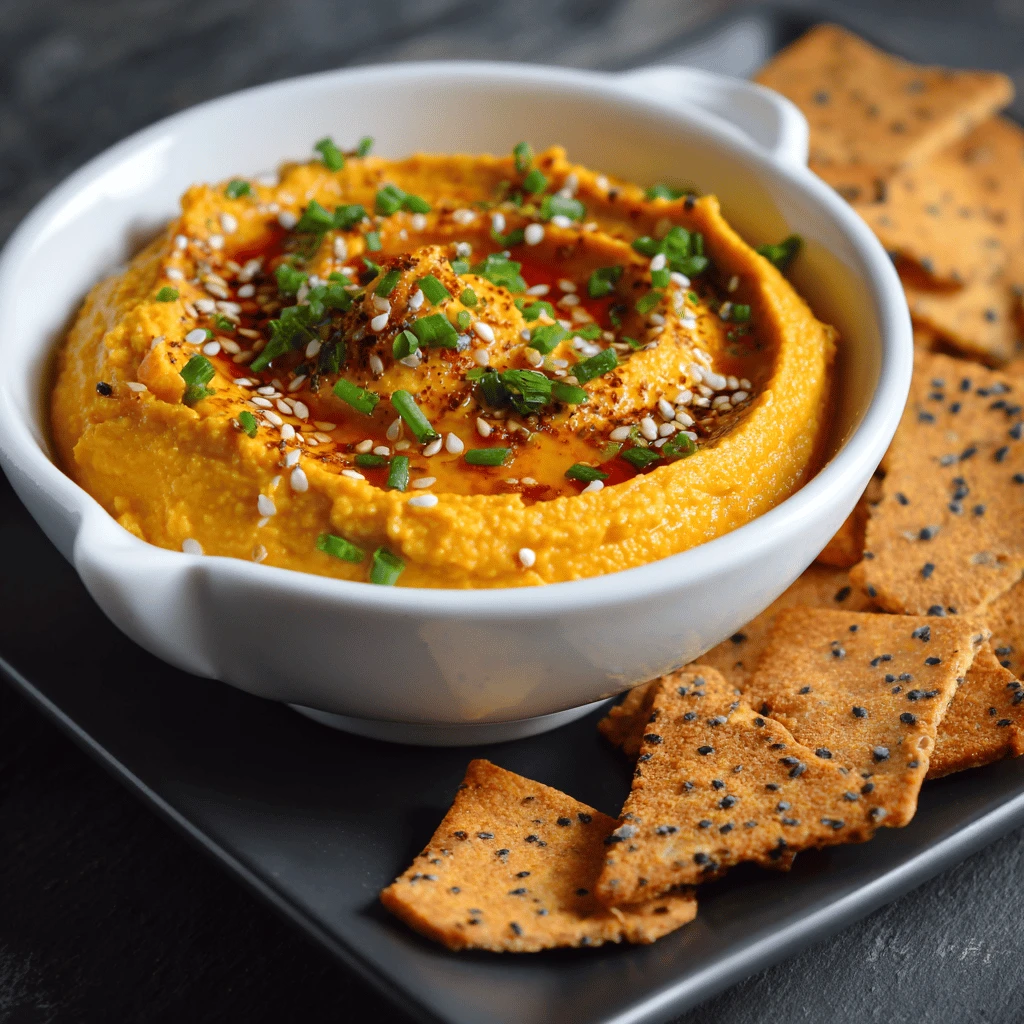
Sweet Potato Hummus: Healthy Snacks, Vibrant Flavor
Introduction: The Perfect Pairing of Sweet and Savory
Sweet potato hummus offers a delightful twist on the traditional Middle Eastern dip, blending the earthy sweetness of sweet potatoes with the creamy texture of chickpeas. This vibrant and nutritious snack is a fantastic way to boost your intake of vitamins, minerals, and fiber, all while enjoying a delicious and satisfying treat. Whether you’re looking for a healthy alternative to processed dips, a creative way to use leftover sweet potatoes, or simply a flavorful addition to your snacking repertoire, sweet potato hummus is an excellent choice. It’s naturally vegan and gluten-neutral, making it accessible for diverse dietary needs.
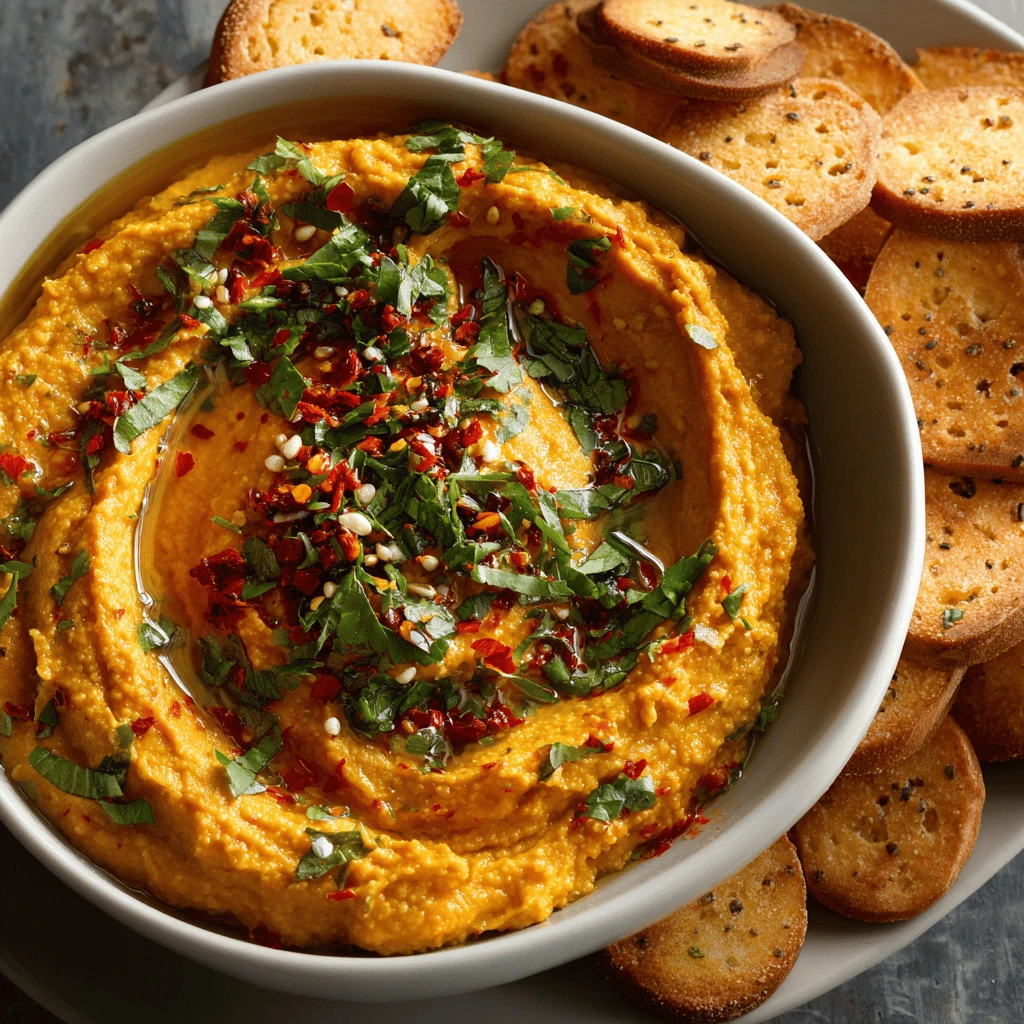
Nutritional Benefits of Sweet Potato Hummus
Sweet potato hummus packs a powerful punch of nutrients. Let’s break down the benefits of its key ingredients:
Sweet Potatoes: A Vitamin Powerhouse
Sweet potatoes are rich in vitamin A, crucial for vision, immune function, and cell growth. They’re also a good source of vitamin C, an antioxidant that protects against cell damage, and vitamin B6, important for brain health and energy metabolism. Beyond vitamins, sweet potatoes are a great source of dietary fiber, which aids digestion, promotes feelings of fullness, and helps regulate blood sugar levels. The orange hue of sweet potatoes comes from beta-carotene, a precursor to vitamin A, which also acts as an antioxidant.
Chickpeas: Protein and Fiber Champion
Chickpeas, the foundation of traditional hummus, are an excellent source of plant-based protein, essential for building and repairing tissues. They are also high in fiber, contributing to digestive health and satiety. Chickpeas provide iron, which is vital for carrying oxygen throughout the body, and folate, important for cell growth and development. They also contain resistant starch, a type of fiber that feeds beneficial gut bacteria, promoting a healthy gut microbiome.
Other Key Ingredients: Olive Oil, Tahini, and Lemon Juice
Beyond sweet potatoes and chickpeas, sweet potato hummus typically includes olive oil, tahini (sesame seed paste), and lemon juice. Olive oil is a source of healthy monounsaturated fats, which support heart health. Tahini provides additional fiber, protein, and minerals like calcium and iron. Lemon juice adds a tangy flavor and is a source of vitamin C. Garlic, often included, offers potential antimicrobial and immune-boosting properties. The combination of these ingredients creates a synergistic effect, maximizing the nutritional benefits.
Making Sweet Potato Hummus: Recipes and Techniques
Creating sweet potato hummus at home is surprisingly simple. Here are a couple of recipe variations and some essential techniques:
Basic Sweet Potato Hummus Recipe
Ingredients:
- 1 medium sweet potato, baked or steamed until soft
- 1 (15-ounce) can chickpeas, drained and rinsed
- 2-3 tablespoons tahini
- 2-3 tablespoons olive oil
- 2-3 tablespoons lemon juice
- 1-2 cloves garlic, minced (optional)
- 1/2 teaspoon cumin
- 1/4 teaspoon salt, or to taste
- Pinch of cayenne pepper (optional)
- 2-4 tablespoons water to adjust consistency
Instructions:
1. If baking the sweet potato, preheat oven to 400°F (200°C). Prick the sweet potato several times with a fork and bake for 45-60 minutes, or until soft. Alternatively, you can steam the sweet potato until tender.
2. Let the sweet potato cool slightly, then peel and roughly chop it.
3. In a food processor, combine the sweet potato, chickpeas, tahini, olive oil, lemon juice, garlic (if using), cumin, salt, and cayenne pepper (if using).
4. Process until smooth, adding water, one tablespoon at a time, until you reach your desired consistency.
5. Taste and adjust seasonings as needed.
6. Serve immediately or store in an airtight container in the refrigerator for up to 5 days.
Roasted Sweet Potato Hummus with a Smoky Twist
For a deeper flavor, roast the sweet potato with a touch of olive oil, smoked paprika, and garlic. This will caramelize the natural sugars and add a smoky dimension to the hummus. Simply toss sweet potato chunks with olive oil, smoked paprika, and minced garlic, then roast at 400°F (200°C) until tender and slightly caramelized. Proceed with the basic recipe, substituting the roasted sweet potato.
Tips for Perfect Hummus:
- Quality Ingredients: Use fresh lemon juice, high-quality tahini, and flavorful olive oil for the best results.
- Warm Sweet Potato: Using a slightly warm sweet potato will help the hummus blend more smoothly.
- Adjusting Consistency: Add water gradually until you reach your desired consistency. Some people prefer a thicker hummus, while others prefer it creamier.
- Taste and Adjust: Don’t be afraid to experiment with the seasonings. Add more lemon juice for tanginess, more cumin for earthiness, or more garlic for a bolder flavor.
- Removing Chickpea Skins: For an ultra-smooth hummus, you can remove the skins from the chickpeas before blending. This is optional, but it can make a noticeable difference in texture.
Serving and Enjoying Sweet Potato Hummus: Creative Ideas
Sweet potato hummus is incredibly versatile and can be enjoyed in many ways. Here are some ideas for serving and enjoying it:
Dipping Delights:
The most obvious way to enjoy sweet potato hummus is as a dip. Serve it with:
- Vegetables: Carrot sticks, celery sticks, cucumber slices, bell pepper strips, broccoli florets, snap peas, and cherry tomatoes all pair well with the sweetness of the hummus.
- Pita Bread: Warm pita bread, cut into wedges, is a classic accompaniment to hummus.
- Tortilla Chips: Choose whole-grain tortilla chips for a healthier option.
- Crackers: Select whole-wheat crackers or rice cakes for a crunchy complement.
Spreads and Sandwiches:
Use sweet potato hummus as a spread on sandwiches, wraps, and bagels. It adds moisture, flavor, and nutrients to your meal.
- Vegetarian Sandwiches: Spread it on whole-wheat bread with avocado, sprouts, tomatoes, and cucumbers.
- Chicken Wraps: Combine it with grilled chicken, spinach, and feta cheese in a whole-wheat tortilla.
- Bagel Toppings: Use it as a base for avocado toast or top it with everything bagel seasoning.
Bowls and Plates:
Add a dollop of sweet potato hummus to grain bowls, salads, and mezze platters for a boost of flavor and nutrition.
- Quinoa Bowls: Combine it with quinoa, roasted vegetables, and a tahini dressing.
- Mediterranean Salads: Add it to a salad with mixed greens, olives, feta cheese, and a lemon vinaigrette.
- Mezze Platters: Serve it alongside other Mediterranean dips, such as baba ghanoush and tzatziki, with pita bread and vegetables.
Toppings and Garnishes:
Elevate your sweet potato hummus with various toppings and garnishes:
- Drizzle of Olive Oil: Adds richness and flavor.
- Sprinkle of Paprika: Provides color and a smoky aroma.
- Chopped Parsley or Cilantro: Adds freshness and visual appeal.
- Sesame Seeds: Enhance the flavor and texture.
- Pine Nuts: Offer a nutty crunch.
- Roasted Red Peppers: Add a sweet and smoky flavor.
- Everything Bagel Seasoning: Provides a savory and crunchy topping.
Storing Sweet Potato Hummus: Maximizing Freshness
Proper storage is essential to maintain the freshness and flavor of your sweet potato hummus.
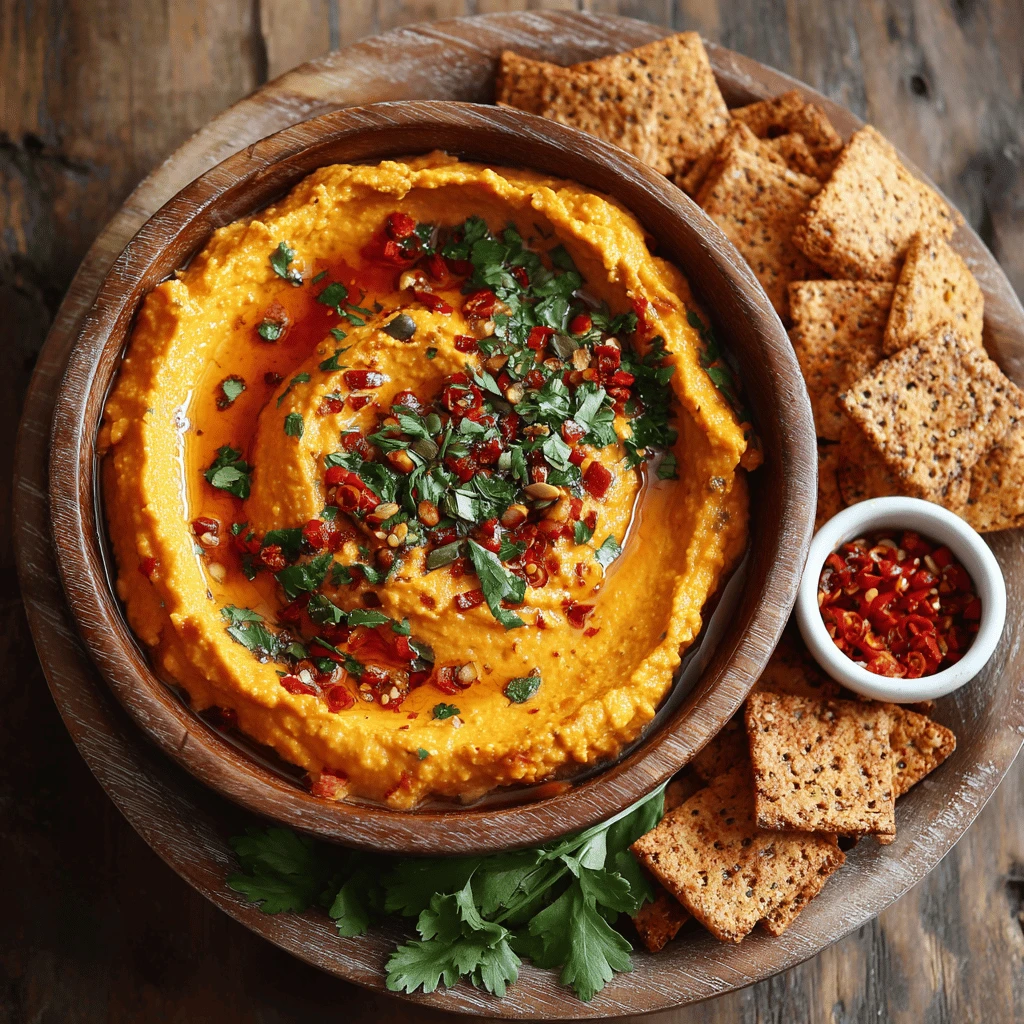
- Airtight Container: Store the hummus in an airtight container in the refrigerator. This will prevent it from drying out and absorbing odors from other foods.
- Layer of Olive Oil: To help preserve the hummus and prevent it from forming a skin, drizzle a thin layer of olive oil over the top before sealing the container.
- Refrigeration Time: Sweet potato hummus can be stored in the refrigerator for up to 5 days.
- Freezing: While freezing hummus is possible, it can affect the texture. If you choose to freeze it, store it in an airtight container or freezer bag. Thaw it in the refrigerator overnight before serving. Be aware that the texture may be slightly grainier after thawing.
- Signs of Spoilage: Discard the hummus if it develops an unusual odor, changes in color, or shows signs of mold.
FAQ about Sweet Potato Hummus
Is sweet potato hummus healthier than regular hummus?
Sweet potato hummus offers a similar nutritional profile to regular hummus, with the added benefit of vitamin A and beta-carotene from the sweet potatoes. Both are healthy options, providing fiber, protein, and healthy fats. The choice depends on your personal preference and dietary needs.
Can I make sweet potato hummus without tahini?
While tahini is a traditional ingredient in hummus, you can make it without it. Some people substitute it with cashew butter or almond butter for a similar creamy texture and nutty flavor. However, the flavor will be different.
How long does homemade sweet potato hummus last?
Homemade sweet potato hummus typically lasts for up to 5 days in the refrigerator when stored in an airtight container.
Can I use canned sweet potatoes for hummus?
While fresh sweet potatoes are preferred for optimal flavor and texture, you can use canned sweet potatoes in a pinch. Make sure to drain and rinse them thoroughly before using.
What can I do if my sweet potato hummus is too thick?
If your sweet potato hummus is too thick, add water, one tablespoon at a time, until you reach your desired consistency. You can also add a little more lemon juice or olive oil to thin it out.
How do I make my sweet potato hummus smoother?
To achieve a smoother hummus, remove the skins from the chickpeas before blending. You can also use a high-powered food processor and blend for a longer time. Adding a tablespoon or two of ice water during blending can also help create a smoother texture.