Teriyaki Chicken Stir-Fry: A Quick, Flavorful Weeknight Meal
What Makes Teriyaki Chicken Stir-Fry So Popular?
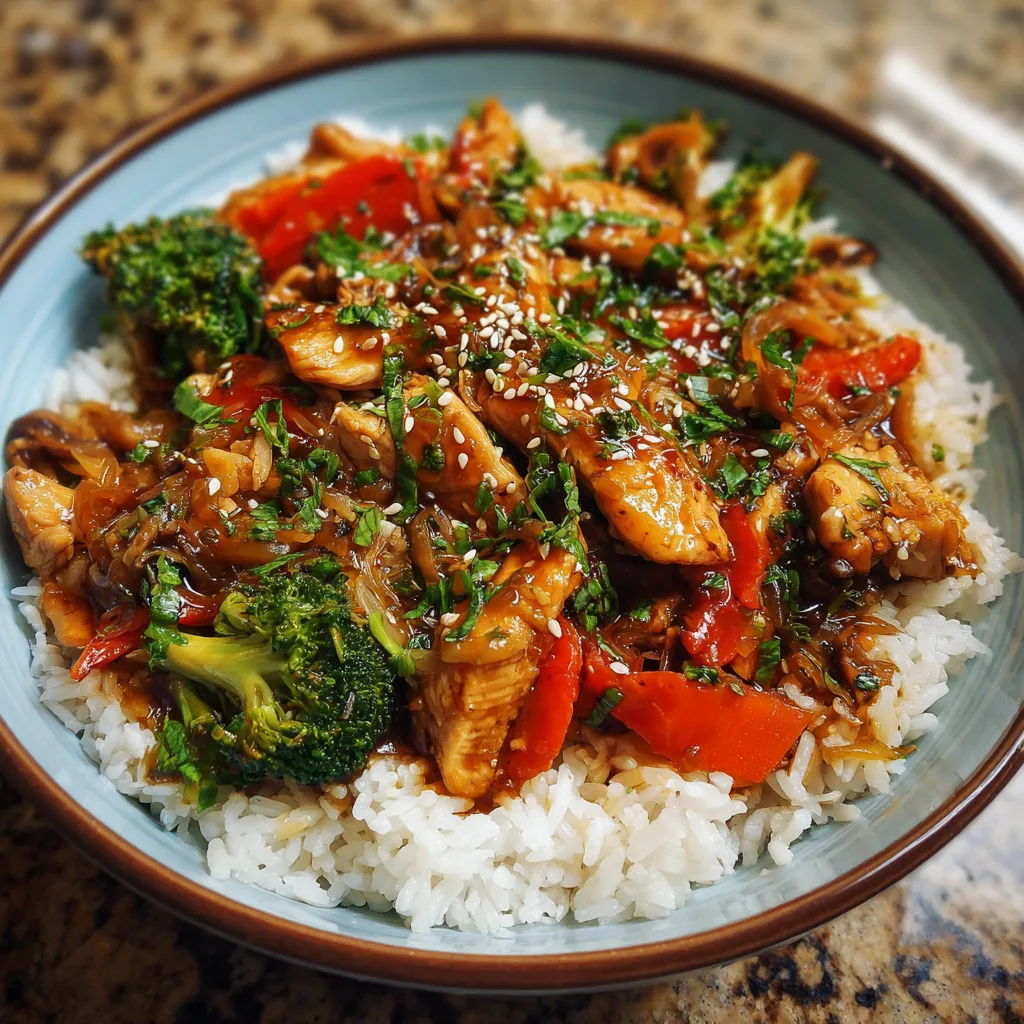
Teriyaki Chicken Stir-Fry is a beloved dish for its ease of preparation, vibrant flavors, and versatility. It’s a quick and healthy option perfect for busy weeknights, offering a delightful combination of savory, sweet, and umami notes. The dish allows for customization with various vegetables and protein sources, ensuring everyone can tailor it to their liking. The teriyaki sauce, a cornerstone of the recipe, provides a glossy, appealing finish that elevates the presentation. Beyond its delicious taste, this stir-fry offers a balanced meal, incorporating protein, carbohydrates, and essential vitamins from the vegetables.
Furthermore, Teriyaki Chicken Stir-Fry is incredibly adaptable. You can adjust the level of sweetness or spice in the sauce, add different types of vegetables based on what’s in season or readily available, and even switch up the protein for a vegetarian option like tofu or tempeh. Its flexibility extends to serving options, pairing well with rice, noodles, quinoa, or even lettuce wraps for a low-carb alternative. The simplicity of the cooking process and readily available ingredients contribute significantly to its widespread appeal. It’s a recipe that empowers even novice cooks to create a restaurant-quality meal at home.
Finally, the cultural appeal of Teriyaki Chicken Stir-Fry plays a role in its popularity. Teriyaki, originating from Japanese cuisine, has become a globally recognized and enjoyed flavor profile. The stir-fry method, common in Asian cooking, ensures quick and even cooking, preserving the crispness of the vegetables and locking in the flavors. This fusion of cultures contributes to the dish’s widespread acceptance and makes it a satisfying and accessible meal for diverse palates. The ability to customize the heat makes it a family-friendly option as well.
Mastering the Teriyaki Sauce: Sweet, Savory Perfection
The heart of any Teriyaki Chicken Stir-Fry lies in its signature teriyaki sauce. This sauce is a harmonious blend of soy sauce, mirin (or sake), sugar, and ginger, creating a complex flavor profile that’s both sweet and savory. Understanding the role of each ingredient is crucial to achieving the perfect balance.
- Soy Sauce: Provides the umami backbone and salty depth of the sauce. Opt for a low-sodium version to control the overall saltiness.
- Mirin (or Sake): Adds sweetness, subtle acidity, and a touch of complexity. If you don’t have mirin or sake, you can substitute with a dry sherry or rice wine vinegar, adjusting the sugar accordingly.
- Sugar: Balances the saltiness of the soy sauce and adds a caramelized sweetness to the sauce as it cooks. Brown sugar, honey, or maple syrup can be used as alternatives, each imparting a unique flavor.
- Ginger: Infuses the sauce with a warm, aromatic spice that complements the other ingredients. Freshly grated ginger is recommended for the best flavor, but ground ginger can be used in a pinch.
Beyond these core ingredients, garlic, sesame oil, and a touch of red pepper flakes can be added to enhance the flavor. A slurry of cornstarch and water is typically used to thicken the sauce, creating a glossy, coating consistency. The key to mastering teriyaki sauce is to taste and adjust the ingredients to your preference. Experiment with different ratios of soy sauce, sugar, and mirin until you find the perfect balance for your palate.
Once you’ve mastered the basic sauce, you can explore variations by adding pineapple juice for a tropical twist, sriracha for a spicy kick, or even hoisin sauce for a deeper, richer flavor. Remember to cook the sauce over medium heat, stirring constantly, until it thickens to your desired consistency. This ensures that the sugar dissolves properly and the sauce coats the chicken and vegetables evenly.
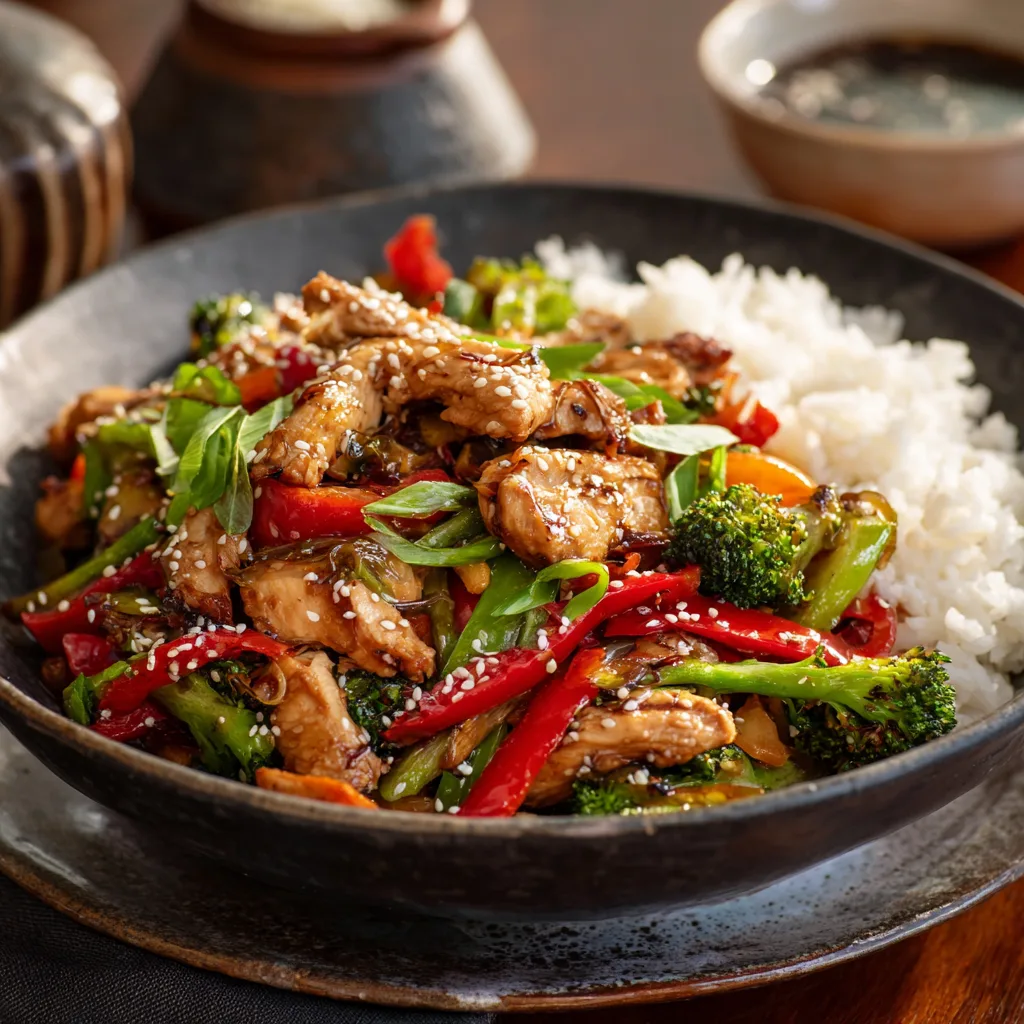
The Perfect Stir-Fry Technique: Tips and Tricks
Achieving the perfect Teriyaki Chicken Stir-Fry involves more than just a great sauce; mastering the stir-fry technique is essential. Proper technique ensures that the chicken is cooked evenly, the vegetables remain crisp-tender, and the overall dish retains its vibrant flavors and textures.
Prep is Key: Before you even turn on the heat, ensure that all your ingredients are prepped and ready to go. This includes cutting the chicken into bite-sized pieces, chopping the vegetables, and having the teriyaki sauce readily available. Stir-frying is a fast-paced cooking method, so having everything prepped beforehand will prevent you from overcooking the ingredients.
High Heat is Essential: Stir-frying requires high heat to sear the chicken and vegetables quickly, locking in their flavors and preventing them from becoming soggy. Use a wok or a large skillet over medium-high heat. Allow the pan to heat up completely before adding any oil.
Work in Batches: Avoid overcrowding the pan, as this will lower the temperature and result in steaming rather than stir-frying. Cook the chicken in batches, ensuring that each piece has enough space to brown properly. Remove the chicken from the pan and set it aside, then stir-fry the vegetables in the same pan.
Choose the Right Oil: Select an oil with a high smoking point, such as vegetable oil, canola oil, or peanut oil. These oils can withstand the high heat of stir-frying without burning. Avoid using olive oil, as it has a lower smoking point and can impart an undesirable flavor.
Keep it Moving: The key to stir-frying is to keep the ingredients moving constantly. Use a spatula or wooden spoon to toss the chicken and vegetables in the pan, ensuring that they are cooked evenly on all sides. This also prevents them from sticking to the pan and burning.
Add the Sauce at the End: Once the chicken and vegetables are cooked to your liking, add the teriyaki sauce to the pan and toss everything together until the sauce coats the ingredients evenly. Cook for a minute or two until the sauce thickens slightly.
By following these tips and tricks, you can achieve the perfect Teriyaki Chicken Stir-Fry every time.
Variations and Customization: Make It Your Own
One of the greatest things about Teriyaki Chicken Stir-Fry is its remarkable flexibility. You can easily adapt the recipe to suit your dietary preferences, available ingredients, and personal taste.
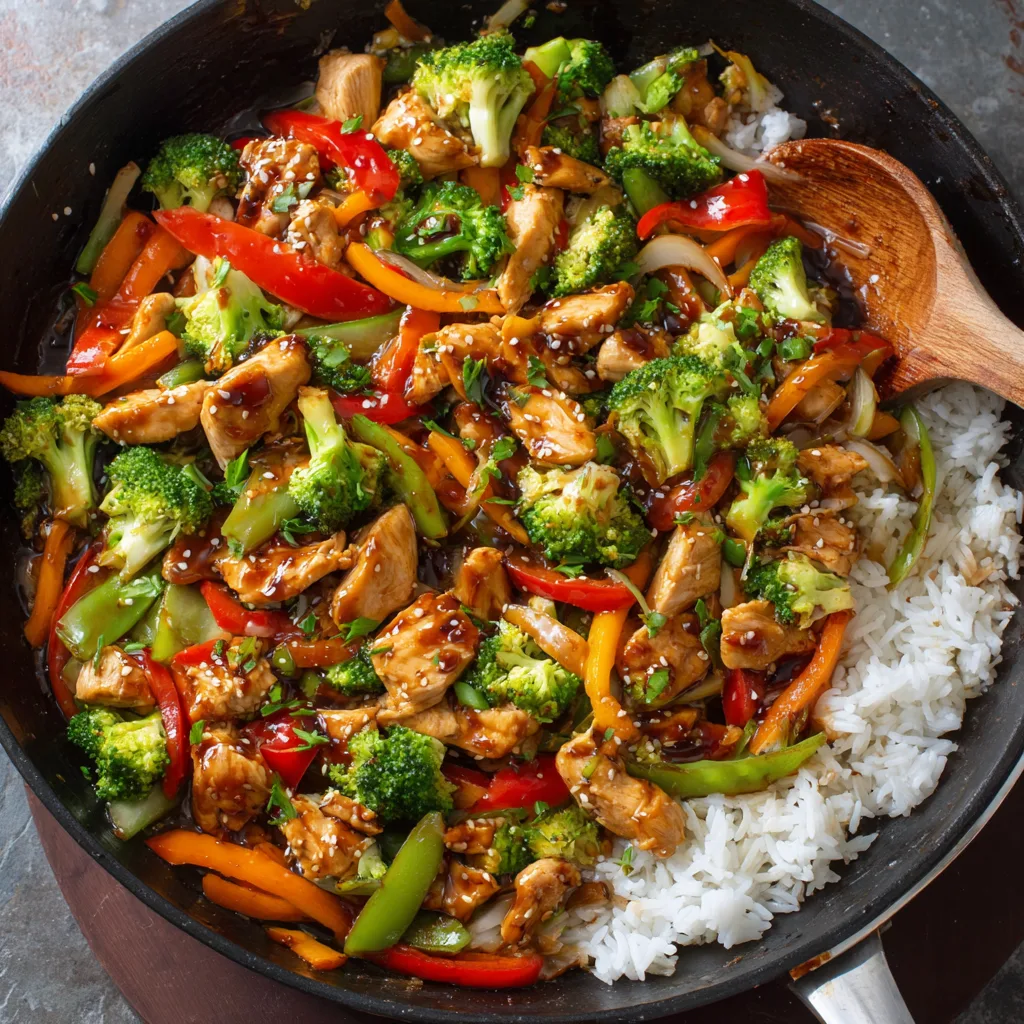
Vegetable Variations: The possibilities are endless when it comes to vegetables. Some popular choices include broccoli florets, bell peppers (red, yellow, or orange), snap peas, carrots, zucchini, mushrooms, and onions. Experiment with different combinations and seasonal vegetables to keep things interesting. Consider adding leafy greens like spinach or bok choy towards the end of cooking for a healthy boost.
Protein Alternatives: While chicken is the traditional protein choice, you can easily substitute it with other options. Tofu or tempeh are excellent vegetarian alternatives, providing a similar texture and ability to absorb flavors. Shrimp, beef, or pork can also be used, adjusting the cooking time accordingly.
Spice It Up: If you like a little heat, add a pinch of red pepper flakes to the teriyaki sauce or stir-fry, or use a few dashes of your favorite hot sauce. Finely chopped jalapeños or serrano peppers can also add a significant kick.
Low-Carb Options: For a low-carb version, skip the rice or noodles and serve the stir-fry over cauliflower rice or lettuce wraps. Reduce the amount of sugar in the teriyaki sauce or use a sugar substitute.
Add Nuts and Seeds: Sprinkle toasted sesame seeds, chopped peanuts, or cashews over the finished stir-fry for added crunch and flavor.
Make it a Bowl: Serve the Teriyaki Chicken Stir-Fry over a bed of rice or noodles and top with a fried egg, avocado slices, and a drizzle of sriracha mayo for a complete and satisfying bowl meal.
Experiment with Marinades: Marinating the chicken in the teriyaki sauce for at least 30 minutes before stir-frying can enhance the flavor and tenderness.
By exploring these variations and customizations, you can create a Teriyaki Chicken Stir-Fry that perfectly caters to your preferences and dietary needs. Don’t be afraid to experiment and discover your own unique spin on this classic dish.
Teriyaki Chicken Stir-Fry: Frequently Asked Questions (FAQ)
Can I use pre-made teriyaki sauce?
Yes, you can use pre-made teriyaki sauce to save time. However, homemade teriyaki sauce often tastes fresher and allows you to control the sweetness and sodium levels. If using a store-bought sauce, opt for a high-quality brand with minimal additives.
How can I make my teriyaki sauce thicker?
To thicken the sauce, mix 1 tablespoon of cornstarch with 2 tablespoons of cold water to create a slurry. Add the slurry to the sauce while it’s simmering and stir continuously until it reaches your desired consistency.
Can I use frozen vegetables in this stir-fry?
Yes, you can use frozen vegetables, but they may release more water during cooking, which can make the stir-fry less crispy. To minimize this, thaw the vegetables slightly before adding them to the pan and cook them over high heat to evaporate excess moisture.
What’s the best way to store leftover teriyaki chicken stir-fry?
Store leftover teriyaki chicken stir-fry in an airtight container in the refrigerator for up to 3-4 days. Reheat it in a skillet or microwave until heated through.
What kind of rice goes well with teriyaki chicken stir-fry?
Jasmine rice, brown rice, or sushi rice are all excellent choices. You can also use quinoa or noodles as an alternative.
How can I make this recipe gluten-free?
To make the recipe gluten-free, use tamari (gluten-free soy sauce) instead of regular soy sauce. Ensure that any other ingredients you use are also gluten-free.
Can I add pineapple to this stir-fry?
Yes, pineapple adds a delicious tropical sweetness to teriyaki chicken stir-fry. Add pineapple chunks during the last few minutes of cooking to warm them through.
Is teriyaki chicken stir-fry healthy?
Teriyaki chicken stir-fry can be a healthy meal, depending on the ingredients and portion sizes. It provides protein, carbohydrates, and vitamins from the vegetables. Using lean chicken, low-sodium soy sauce, and limiting added sugars will enhance the nutritional value.
How do I prevent the chicken from drying out?
Avoid overcooking the chicken by cooking it in batches and using high heat. Marinating the chicken beforehand can also help keep it moist and tender.
Can I make this recipe ahead of time?
You can prep the ingredients ahead of time by chopping the vegetables and marinating the chicken. The teriyaki sauce can also be made in advance. However, it’s best to cook the stir-fry just before serving to ensure the vegetables remain crisp and the flavors are fresh.