The Ultimate Beef Stir-Fry Meal Idea: From Prep to Plate
Beef stir-fry is a quick, easy, and delicious meal that’s perfect for busy weeknights. It’s a versatile dish that can be customized with your favorite vegetables and sauces, making it a family favorite. This guide will walk you through everything you need to know to create the perfect beef stir-fry, from selecting the right ingredients to mastering the cooking technique.
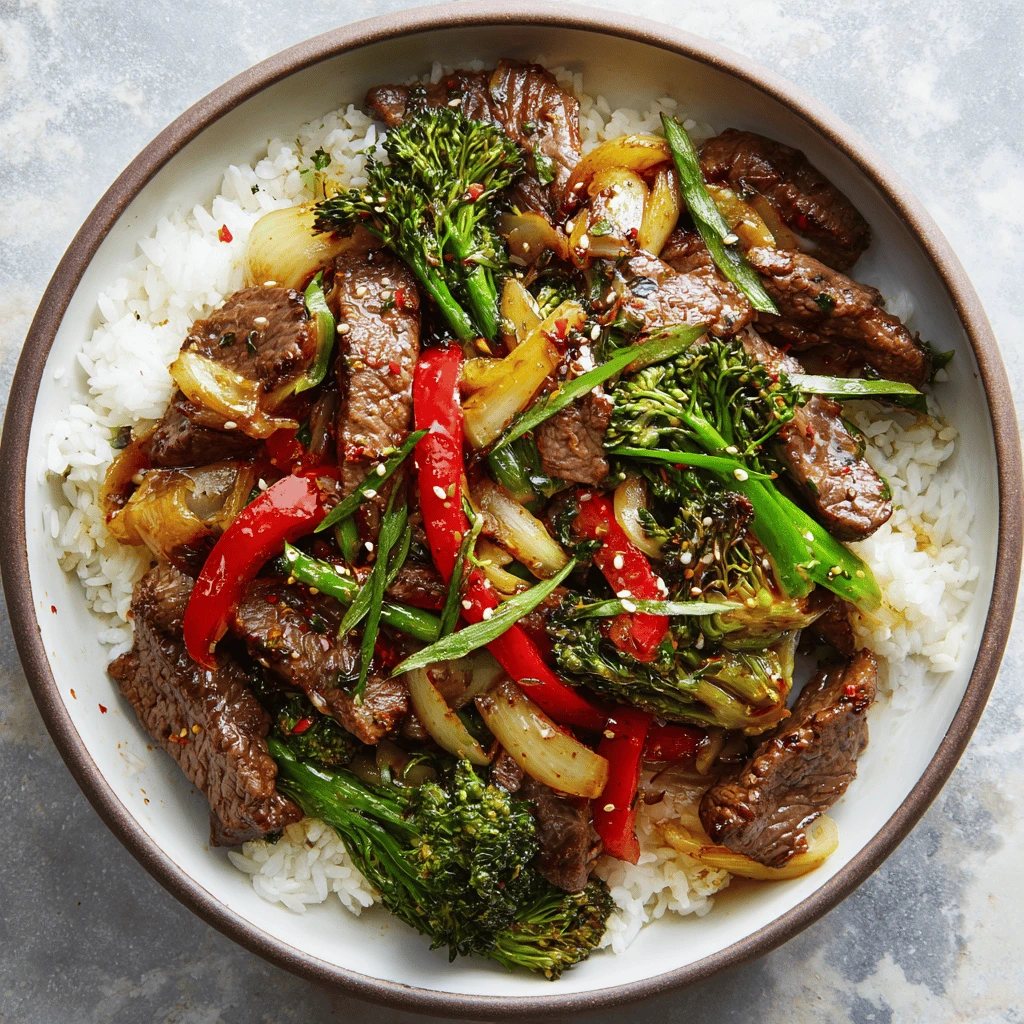
Choosing the Right Ingredients for Your Beef Stir-Fry
The foundation of any great stir-fry lies in its ingredients. Selecting high-quality beef, fresh vegetables, and flavorful sauces is key to achieving a delicious and satisfying meal.
Selecting the Best Beef
The cut of beef you choose significantly impacts the texture and flavor of your stir-fry. Tender cuts that cook quickly are ideal.
- Sirloin: A lean and flavorful cut that remains tender when stir-fried. It’s a great all-around choice.
- Flank Steak: Thinly sliced flank steak is known for its rich, beefy flavor. Marinating it before cooking will help tenderize it.
- Ribeye: While more expensive, ribeye offers exceptional flavor and marbling, resulting in a very tender stir-fry.
- Skirt Steak: Similar to flank steak, skirt steak benefits from marinating and should be sliced against the grain for maximum tenderness.
No matter which cut you choose, make sure to slice it thinly, against the grain, for optimal tenderness. Aim for slices that are about 1/8 to 1/4 inch thick. This allows the beef to cook quickly and evenly in the stir-fry.
The Freshest Vegetables
The beauty of beef stir-fry is its versatility. You can incorporate a wide variety of vegetables based on your preferences and what’s in season.
- Broccoli: Adds a crunchy texture and mild flavor. Cut into small florets for even cooking.
- Bell Peppers: Available in a range of colors (red, yellow, orange, green), bell peppers offer a sweet and slightly tangy flavor. Slice them into thin strips.
- Snap Peas: Provide a delightful crunch and a subtle sweetness. Leave them whole or halve them.
- Carrots: Add sweetness and color. Julienne or thinly slice carrots for faster cooking.
- Onions: A staple in stir-fries, onions provide a savory base flavor. Slice them thinly.
- Mushrooms: Add an earthy and umami flavor. Sliced shiitake, cremini, or button mushrooms work well.
- Zucchini/Squash: Mild and tender, zucchini and squash are great additions. Slice them into half-moons.
- Baby Corn: Adds a sweet, crunchy element.
- Water Chestnuts: For a unique crunch, water chestnuts are a welcome addition.
Remember to wash and chop your vegetables before you begin cooking. Cutting them into uniform sizes ensures they cook evenly in the stir-fry.
Sauces and Seasonings That Pack a Punch
The sauce is what brings everything together in a stir-fry, adding flavor and depth. A balance of sweet, savory, and umami flavors is key.
- Soy Sauce: The foundation of most stir-fry sauces, providing a salty and savory base. Opt for low-sodium soy sauce to control the saltiness.
- Oyster Sauce: Adds a rich, umami flavor and a slight sweetness. A little goes a long way.
- Hoisin Sauce: A thick, sweet, and savory sauce made from fermented soybean paste, garlic, chili, and spices. Adds a complex flavor.
- Sesame Oil: Provides a nutty aroma and flavor. Use toasted sesame oil for a more intense flavor.
- Ginger: Freshly grated ginger adds a warm, spicy kick.
- Garlic: Minced garlic provides a pungent and aromatic flavor.
- Cornstarch: Used as a thickening agent for the sauce. Mix it with a little water to create a slurry before adding it to the stir-fry.
- Rice Vinegar: Adds a touch of acidity to balance the other flavors.
- Red Pepper Flakes: For a touch of heat, add a pinch of red pepper flakes.
Experiment with different combinations of these sauces and seasonings to create your own signature stir-fry sauce.
Mastering the Stir-Fry Technique
Stir-frying is a quick cooking method that requires high heat and constant movement. Follow these tips to achieve the perfect stir-fry every time.
Prepping Your Ingredients
Proper preparation is essential for a successful stir-fry. This includes:
- Mise en Place: “Everything in its place.” Chop all your vegetables, slice your beef, and prepare your sauce before you start cooking. This ensures that you can add ingredients to the wok or skillet at the right time without having to stop and chop.
- Marinating the Beef: Marinating the beef for at least 30 minutes (or up to overnight) will tenderize it and add flavor. A simple marinade can consist of soy sauce, cornstarch, ginger, and garlic.
- Preheating Your Wok or Skillet: A wok or large skillet is essential for stir-frying. It needs to be screaming hot before you add any ingredients. This helps to sear the beef and vegetables, creating that characteristic stir-fry flavor.
The Cooking Process: Step-by-Step
Once you’ve prepped your ingredients, the cooking process is relatively quick.
1. Heat the Oil: Add a high-heat cooking oil, such as peanut oil or vegetable oil, to your preheated wok or skillet.
2. Sear the Beef: Add the beef to the wok in a single layer, being careful not to overcrowd it. Sear the beef for 1-2 minutes per side, until browned but not fully cooked. Remove the beef from the wok and set aside.
3. Stir-Fry the Vegetables: Add the vegetables to the wok, starting with the ones that take the longest to cook (e.g., carrots, broccoli). Stir-fry for 2-3 minutes, until they are tender-crisp.
4. Add the Aromatics: Add the garlic and ginger to the wok and stir-fry for about 30 seconds, until fragrant.
5. Combine Everything: Return the beef to the wok and add the sauce. Stir-fry for 1-2 minutes, until the sauce has thickened and everything is heated through.
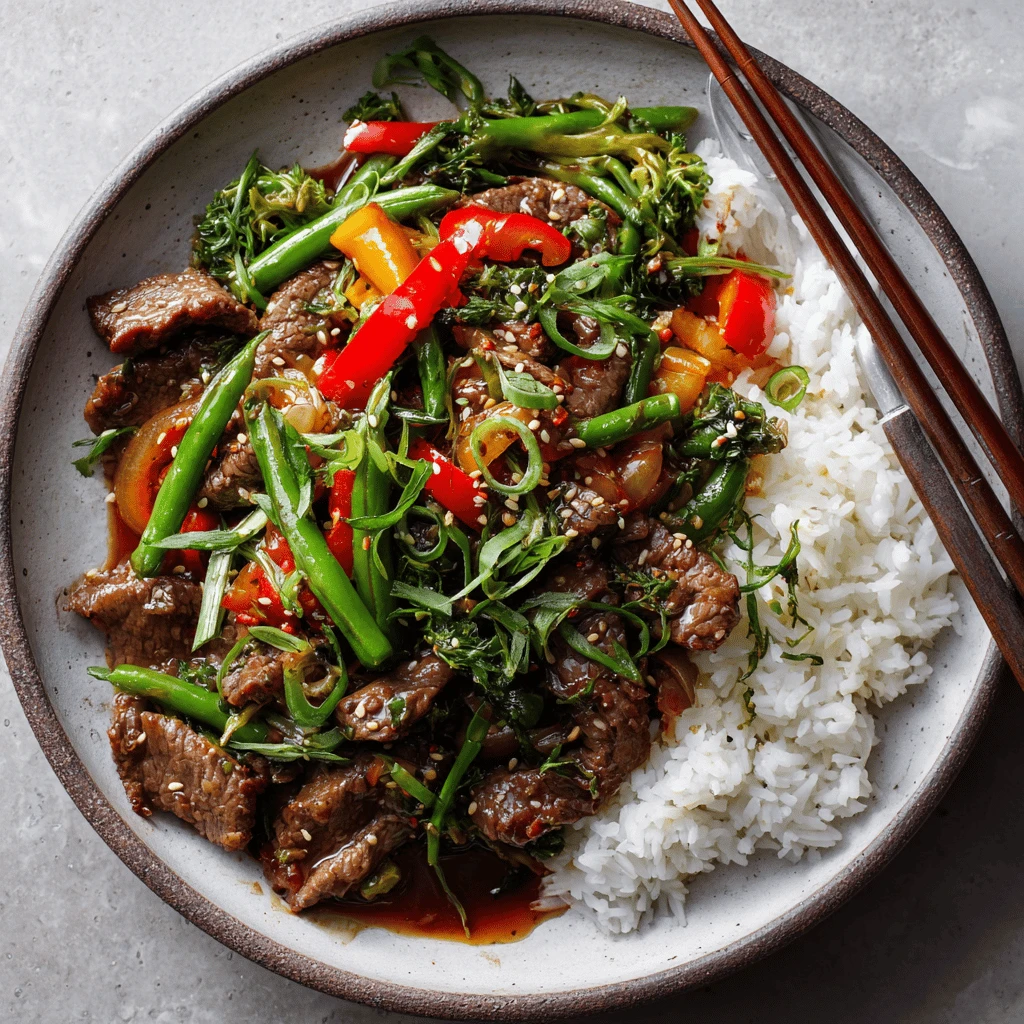
6. Serve Immediately: Serve the beef stir-fry over rice or noodles. Garnish with sesame seeds or chopped green onions, if desired.
Tips for Perfect Stir-Fry
- Use High Heat: Stir-frying requires high heat to sear the ingredients and create that characteristic stir-fry flavor.
- Don’t Overcrowd the Wok: Overcrowding the wok will lower the temperature and cause the ingredients to steam instead of sear. Cook in batches if necessary.
- Stir Constantly: Stirring constantly ensures that the ingredients cook evenly and don’t stick to the wok.
- Work Quickly: Stir-frying is a fast cooking method, so you need to work quickly. Have all your ingredients prepped and ready to go before you start cooking.
Variations and Flavor Combinations
One of the best things about beef stir-fry is its versatility. You can easily adapt the recipe to suit your taste preferences and dietary needs.
Exploring Different Flavor Profiles
- Spicy: Add more red pepper flakes, chili garlic sauce, or a dash of sriracha to the sauce for a spicy kick.
- Sweet and Sour: Add pineapple chunks and a sweet and sour sauce for a classic Chinese takeout flavor.
- Garlic and Ginger: Increase the amount of garlic and ginger for a pungent and aromatic stir-fry.
- Peanut: Add peanut butter or peanut sauce to the stir-fry for a nutty and creamy flavor.
Dietary Adaptations
- Gluten-Free: Use tamari instead of soy sauce. Tamari is a gluten-free soy sauce alternative.
- Low-Carb: Serve the stir-fry over cauliflower rice or shirataki noodles instead of regular rice or noodles.
- Vegetarian: Substitute tofu, tempeh, or seitan for the beef.
- Lower-Sodium: Use low-sodium soy sauce and avoid adding extra salt to the dish. Opt for reduced sodium broth, too.
Adding Protein Variety
While beef is a classic choice, you can easily swap it out for other protein sources.
- Chicken: Chicken breast or thighs work well in stir-fries. Cut them into small pieces and cook them until cooked through.
- Shrimp: Shrimp cooks quickly and adds a delicious seafood flavor to the stir-fry.
- Tofu: Firm or extra-firm tofu can be cubed and added to the stir-fry. Press the tofu to remove excess water before cooking.
Serving and Storing Your Beef Stir-Fry
Once your stir-fry is cooked, it’s time to serve it and enjoy. Proper storage will ensure that leftovers remain fresh and delicious.
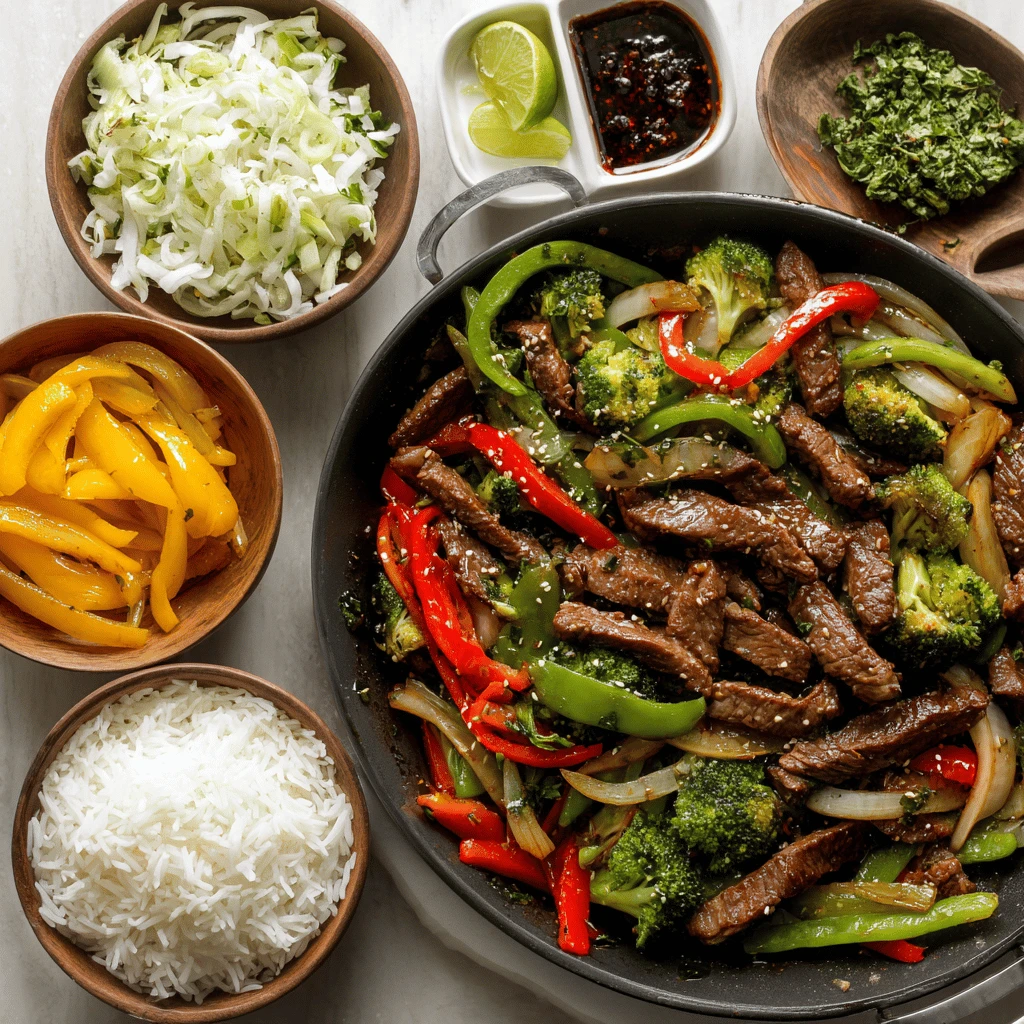
Serving Suggestions
- Rice: Serve the stir-fry over steamed white rice, brown rice, or jasmine rice.
- Noodles: Serve the stir-fry over lo mein noodles, chow mein noodles, or rice noodles.
- Garnish: Garnish with sesame seeds, chopped green onions, or a sprinkle of red pepper flakes.
- Side Dishes: Serve with spring rolls, egg rolls, or a side salad.
Storage and Reheating
- Storage: Store leftover stir-fry in an airtight container in the refrigerator for up to 3-4 days.
- Reheating: Reheat the stir-fry in a skillet over medium heat or in the microwave. Add a splash of water or broth to prevent it from drying out.
Tips for Best Leftovers
- Store Separately: If possible, store the stir-fry separately from the rice or noodles to prevent them from becoming soggy.
- Don’t Overcook: Avoid overcooking the stir-fry when reheating it, as this can make the vegetables mushy.
- Add Fresh Ingredients: To freshen up leftovers, add a handful of fresh vegetables or a drizzle of fresh sauce before serving.
Frequently Asked Questions (FAQ)
Q: What is the best cut of beef for stir-fry?
A: Sirloin, flank steak, ribeye, and skirt steak are all excellent choices. Be sure to slice the beef thinly against the grain.
Q: Can I use frozen vegetables in stir-fry?
A: While fresh vegetables are preferred, frozen vegetables can be used. Thaw them completely and pat them dry before adding them to the stir-fry.
Q: How do I thicken stir-fry sauce?
A: Cornstarch is a great thickening agent. Mix it with a little water to create a slurry before adding it to the stir-fry.
Q: How do I prevent my stir-fry from being too salty?
A: Use low-sodium soy sauce and avoid adding extra salt to the dish. Taste the sauce before adding it to the stir-fry and adjust the seasonings as needed.
Q: Can I make stir-fry ahead of time?
A: While it’s best to serve stir-fry immediately, you can prep the ingredients ahead of time. Chop the vegetables, slice the beef, and prepare the sauce. Store them separately in the refrigerator and combine them when you’re ready to cook.