
The Ultimate Sweet Potato Casserole for Thanksgiving: A Classic Dish Elevated
Thanksgiving is a holiday synonymous with tradition, family, and, of course, delicious food. Among the stars of the Thanksgiving table, the sweet potato casserole shines brightly, offering a comforting blend of sweet and savory flavors. This article dives deep into creating the ultimate sweet potato casserole, exploring variations, troubleshooting common issues, and providing tips for making this classic dish a showstopper.

Unveiling the Perfect Sweet Potato Casserole: A Step-by-Step Guide
Crafting the ideal sweet potato casserole starts with selecting the right sweet potatoes and mastering the key techniques.
Choosing the Right Sweet Potatoes
While both are often labeled interchangeably, there’s a distinction between sweet potatoes and yams. Sweet potatoes, with their copper skin and orange flesh, are typically sweeter and moister, making them ideal for casseroles. Look for firm, blemish-free sweet potatoes.
Preparing the Sweet Potatoes: Roasting vs. Boiling
The cooking method significantly impacts the final texture. Roasting sweet potatoes intensifies their flavor and creates a smoother consistency, while boiling can make them waterlogged. Roasting at 400°F (200°C) until tender, about 45-60 minutes, is generally preferred. Alternatively, steaming is a good option for retaining nutrients.
Achieving the Creamy Dream: Mashing and Mixing
Once cooked, allow the sweet potatoes to cool slightly before peeling. Mash them thoroughly, ensuring no lumps remain. The addition of butter, milk or cream, sugar (brown or granulated), vanilla extract, and spices like cinnamon, nutmeg, and ginger elevates the flavor profile. Some recipes incorporate eggs for added richness and structure.
Assembling the Casserole: Building Layers of Flavor
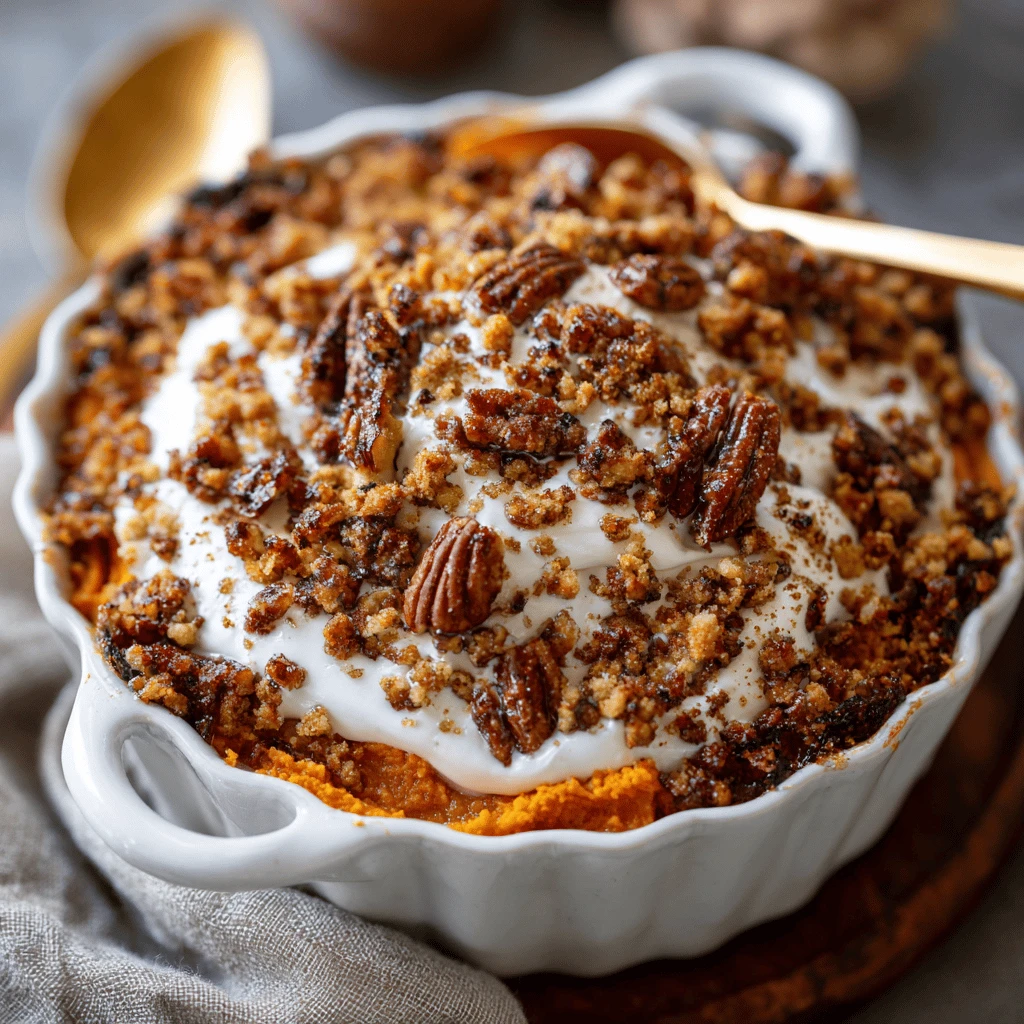
The classic sweet potato casserole features a creamy sweet potato base topped with a crunchy pecan streusel.
Topping Temptations: Beyond the Marshmallow
While marshmallows are a traditional topping, numerous alternatives offer exciting flavor and texture combinations.
The Classic Pecan Streusel: A Crunchy Delight
A streusel topping, made with flour, brown sugar, butter, and chopped pecans, provides a delightful textural contrast to the creamy sweet potato base. The ratio of ingredients is crucial for achieving the perfect balance of sweetness and crunch.
Exploring Alternative Toppings: From Oats to Coconut
For those seeking a twist, consider using an oat-based streusel, incorporating shredded coconut, or even a sprinkle of toasted nuts. A drizzle of maple syrup or a dusting of cinnamon can also enhance the visual appeal and flavor.
Marshmallow Magic: Tips for a Perfect Golden Brown
If marshmallows are your preference, use miniature marshmallows for even coverage. To prevent burning, add them during the last few minutes of baking and keep a close eye on them. Broiling for a minute or two can create a beautiful golden-brown finish.
Variations and Creative Twists: Elevating the Classic
The sweet potato casserole is a versatile dish that lends itself to creative adaptations.
Incorporating Fruit: Apples, Cranberries, and More
Adding diced apples, dried cranberries, or even pineapple chunks introduces a burst of freshness and tartness that complements the sweetness of the potatoes.
Savory Sensations: Adding a Touch of Salt and Spice
A pinch of salt, a dash of cayenne pepper, or even a swirl of brown butter can create a savory counterpoint to the sweetness, adding depth and complexity to the flavor profile.
Dietary Considerations: Gluten-Free and Vegan Options
Adapting the recipe for dietary needs is easily achievable. Use gluten-free flour in the streusel topping or replace butter with coconut oil for a vegan version. Maple syrup or agave nectar can substitute refined sugar.
Troubleshooting Common Casserole Conundrums
Even with the best intentions, sweet potato casseroles can sometimes present challenges.
Preventing a Soggy Casserole: Moisture Management
Excessive moisture is a common culprit. Ensure the sweet potatoes are not waterlogged after cooking. Drain them well if boiled or use the roasting method. Binding agents like eggs or a small amount of flour can also help absorb excess moisture.
Avoiding a Dry Casserole: Balancing Ingredients
Conversely, a dry casserole can be equally disappointing. Add more liquid (milk, cream, or broth) to the sweet potato mixture until the desired consistency is achieved.
Achieving Even Baking: Temperature and Timing
Uneven baking can result in a casserole that is burnt on the edges and undercooked in the center. Use an oven thermometer to ensure accurate temperature and rotate the casserole halfway through baking.
Serving and Storing Your Sweet Potato Masterpiece
Proper serving and storage are essential for preserving the flavor and texture of your sweet potato casserole.
Serving Suggestions: Perfect Pairings
Sweet potato casserole pairs beautifully with roasted turkey, ham, or even vegetarian entrees. It can be served as a side dish or even as a dessert.
Storage Solutions: Refrigeration and Freezing
Store leftover casserole in an airtight container in the refrigerator for up to three days. For longer storage, freeze the casserole in individual portions for easy reheating.
Reheating Techniques: Restoring the Flavor
To reheat, thaw the casserole in the refrigerator overnight and bake in a preheated oven at 350°F (175°C) until warmed through. Add a sprinkle of fresh nuts or marshmallows before serving for a refreshed presentation.
FAQ About Sweet Potato Casserole
Why is my sweet potato casserole watery?
Excess moisture in the sweet potatoes or too much liquid in the mixture can cause a watery casserole. Make sure to drain sweet potatoes well after boiling (roasting is recommended), and don’t overdo it with the milk/cream. Adding a binding agent like a tablespoon of flour can also help.
Can I make sweet potato casserole ahead of time?
Yes! You can assemble the casserole (without the topping) up to 24 hours in advance and store it in the refrigerator. Add the topping just before baking.
What can I use instead of marshmallows on sweet potato casserole?
A pecan streusel topping is a classic alternative. You can also use other nuts, shredded coconut, an oat crumble, or even a simple sprinkle of brown sugar and cinnamon.
How do you keep marshmallows from burning on sweet potato casserole?
Add the marshmallows during the last 10-15 minutes of baking and keep a close eye on them. You can also broil them for a minute or two for a golden-brown finish, but watch carefully to avoid burning.
Can I freeze sweet potato casserole?
Yes, sweet potato casserole freezes well. Cool completely, then wrap tightly in plastic wrap and foil or place in an airtight freezer-safe container. It can be frozen for up to 2-3 months. Thaw overnight in the refrigerator before reheating.