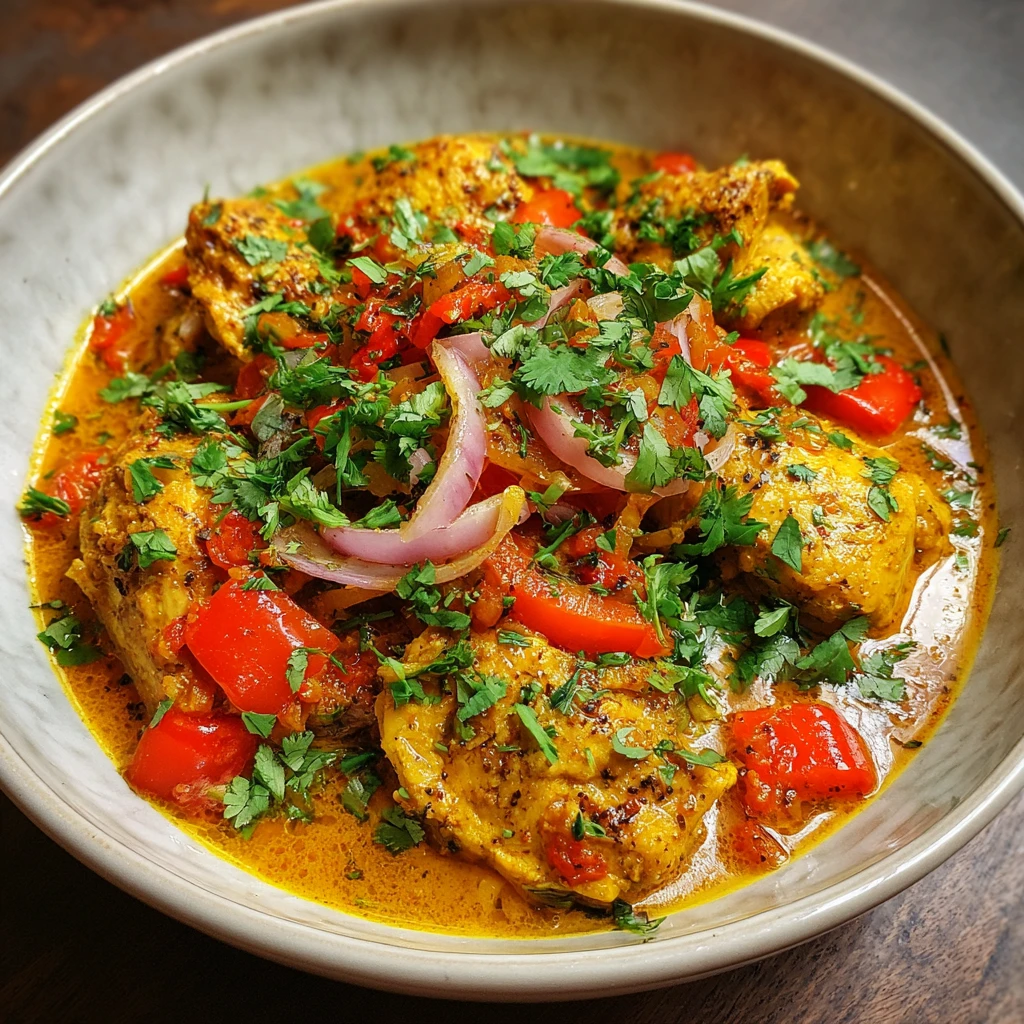
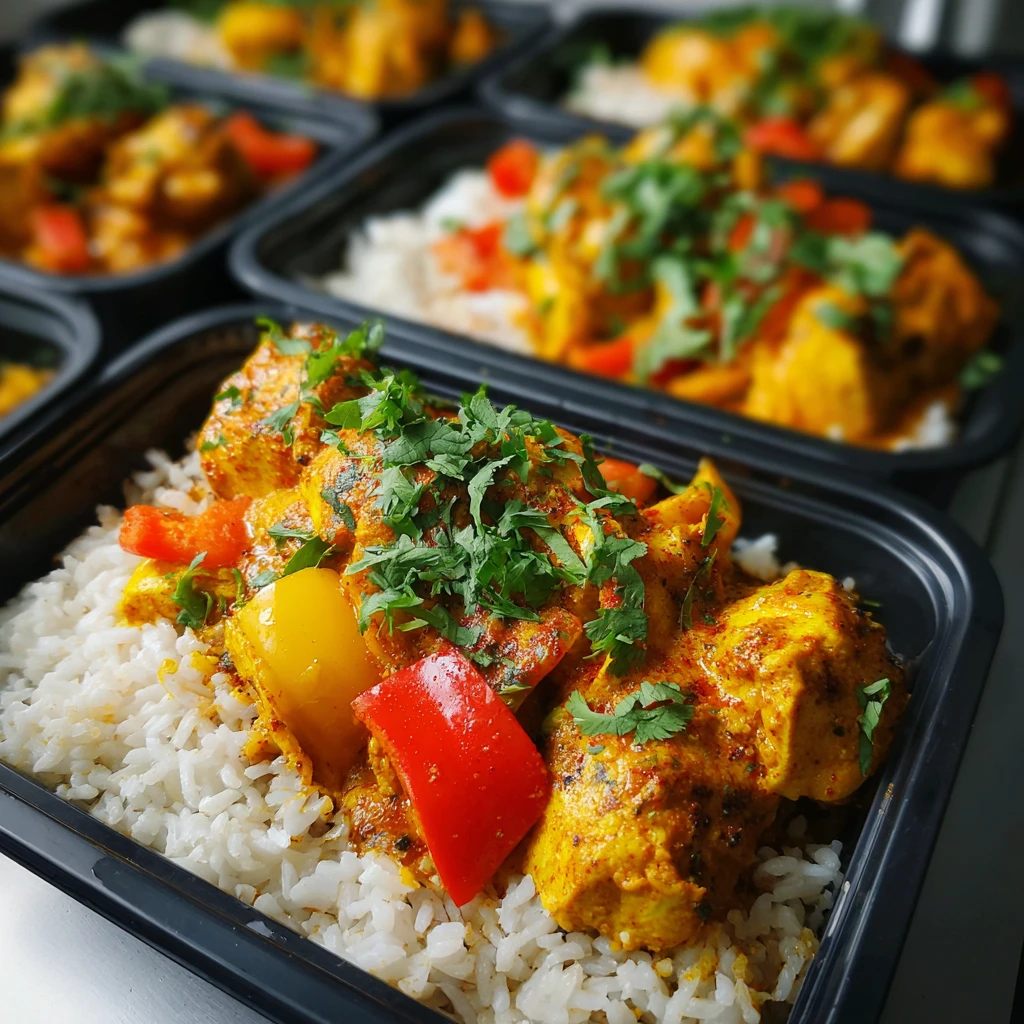
torso Curry Meal Prep Idea
Ingredients
- 1.5 lbs boneless, skinless chicken thighs, cut into bite-sized pieces (or substitute with tofu or chickpeas)
- 1 large onion, chopped
- 2 cloves garlic, minced
- 1 inch ginger, grated
- 1 red bell pepper, chopped
- 1 (14.5 oz) can diced tomatoes, undrained
- 1 (13.5 oz) can coconut milk
- 2-3 tbsp curry powder (adjust to taste)
- 1 tsp turmeric powder
- 1/2 tsp cumin powder
- 1/4 tsp cayenne pepper (optional)
- 1 tbsp olive oil or coconut oil
- Salt and pepper to taste
- Fresh cilantro, chopped (for garnish)
- Cooked rice or quinoa, for serving
Step-by-Step Instructions
1. Heat the olive oil or coconut oil in a large pot or Dutch oven over medium heat.
2. Add the chopped onion and cook until softened, about 5-7 minutes.
3. Add the minced garlic and grated ginger and cook for another minute until fragrant.
4. Add the chicken thighs (or tofu/chickpeas) to the pot and cook until browned on all sides.
5. Stir in the curry powder, turmeric powder, cumin powder, and cayenne pepper (if using). Cook for 1 minute more, stirring constantly, to bloom the spices.
6. Add the chopped red bell pepper and diced tomatoes to the pot.
7. Pour in the coconut milk and bring the mixture to a simmer.
8. Reduce the heat to low, cover, and let simmer for 20-25 minutes, or until the chicken is cooked through and the sauce has thickened. If using tofu/chickpeas, simmer for 15 minutes.
9. Season with salt and pepper to taste.
10. Serve the curry over cooked rice or quinoa. Garnish with fresh cilantro.
11. For meal prepping, divide the curry and rice/quinoa into individual containers.
12. Allow to cool completely before sealing and refrigerating. This will keep for up to 4 days in the refrigerator.
Understanding the Nutritional Benefits
Curry is more than just a flavorful dish; it’s a nutritional powerhouse. The blend of spices contributes significant health benefits.
H3: The Power of Turmeric
Turmeric, a key ingredient, contains curcumin, a compound known for its anti-inflammatory and antioxidant properties. This can help reduce inflammation in the body and protect against cell damage.
H3: Ginger’s Digestive Aid
Ginger adds a zing and also supports digestive health. It can help alleviate nausea and improve gut function.
H3: Coconut Milk: Healthy Fats
Coconut milk provides healthy fats that can contribute to satiety and support brain function. Choose unsweetened varieties to avoid added sugars.
Customizing Your Curry for Dietary Needs
Curry is incredibly versatile. It can be adapted to fit various dietary restrictions and preferences.
H3: Vegetarian and Vegan Options
Easily make this curry vegetarian or vegan by substituting chicken with tofu, chickpeas, lentils, or a mix of vegetables like cauliflower, potatoes, and spinach. Ensure you’re getting a complete protein by combining these ingredients.
H3: Low-Carb Adaptations
Reduce the carbohydrate content by serving the curry over cauliflower rice or zucchini noodles instead of regular rice or quinoa. Adding more vegetables like broccoli or green beans can also increase the fiber content.
H3: Allergen Considerations
This recipe is naturally gluten-free. However, always check the labels of your curry powder to ensure it doesn’t contain any hidden gluten ingredients. If you have a nut allergy, avoid using coconut oil and opt for another oil like olive oil.
Meal Prep Strategies for Maximum Efficiency
Effective meal prepping saves time and ensures you have healthy, ready-to-eat meals throughout the week.
H3: Storage Solutions
Invest in airtight containers to keep your curry fresh in the refrigerator. Glass containers are a good option as they are non-reactive and easy to clean. Ensure the food has cooled completely before refrigerating to prevent condensation.
H3: Reheating Tips
Reheat the curry in the microwave or on the stovetop. Add a splash of water or coconut milk if it seems too thick. Ensure the food is heated thoroughly before consuming.
H3: Batch Cooking for the Week
Consider doubling or tripling the recipe to make enough curry for the entire week. This will save you even more time and effort in the long run. Portion the curry into individual containers for grab-and-go convenience.
Flavor Enhancements and Variations
Don’t be afraid to experiment with different ingredients and flavor combinations to create your perfect curry.
H3: Spice Level Adjustments
Adjust the amount of curry powder and cayenne pepper to control the spice level. Start with a smaller amount and add more to taste. You can also add a pinch of red pepper flakes for extra heat.
H3: Vegetable Additions
Incorporate other vegetables like spinach, kale, peas, carrots, or sweet potatoes to add variety and nutrients.
H3: Creamy Textures
For a creamier curry, stir in a spoonful of plain yogurt or cashew cream at the end of cooking. This will add richness and depth of flavor.
Troubleshooting Common Curry Issues
Sometimes, things don’t go exactly as planned in the kitchen. Here’s how to address some common curry-related problems.
H3: Too Spicy
If your curry is too spicy, add a dollop of plain yogurt or sour cream to cool it down. You can also add a squeeze of lemon or lime juice to balance the flavors. A small amount of sugar can also help neutralize the heat.
H3: Too Bland
If your curry lacks flavor, try adding more curry powder, cumin, coriander, or garam masala. A pinch of salt can also make a big difference. Consider adding a squeeze of lime juice or a dash of hot sauce for an extra kick.
H3: Too Watery
If your curry is too watery, simmer it uncovered over medium heat until the sauce thickens. You can also add a cornstarch slurry (1 tablespoon cornstarch mixed with 2 tablespoons cold water) to the pot. Stir well and simmer until thickened.

FAQ
Is curry good for meal prepping?
Yes, curry is excellent for meal prepping. It stores well in the refrigerator and the flavors often improve over time. The sauce helps to keep the ingredients moist, preventing them from drying out.
How long does curry last in the fridge?
Curry typically lasts for 3-4 days in the refrigerator when stored in an airtight container. Ensure it’s cooled completely before refrigerating to prevent bacterial growth.
Can I freeze curry?
Yes, curry freezes well. Allow it to cool completely, then transfer it to freezer-safe containers or bags. It can be stored in the freezer for up to 2-3 months. Thaw it overnight in the refrigerator before reheating.
What are some good side dishes for curry?
Common side dishes include rice, quinoa, naan bread, roti, and raita (a yogurt-based sauce). Steamed vegetables like broccoli or green beans also pair well with curry.
How can I make my curry healthier?
To make your curry healthier, use lean protein sources like chicken breast or tofu. Load up on vegetables and use unsweetened coconut milk. Reduce the amount of oil and sodium used in the recipe. Opt for brown rice or quinoa instead of white rice.