
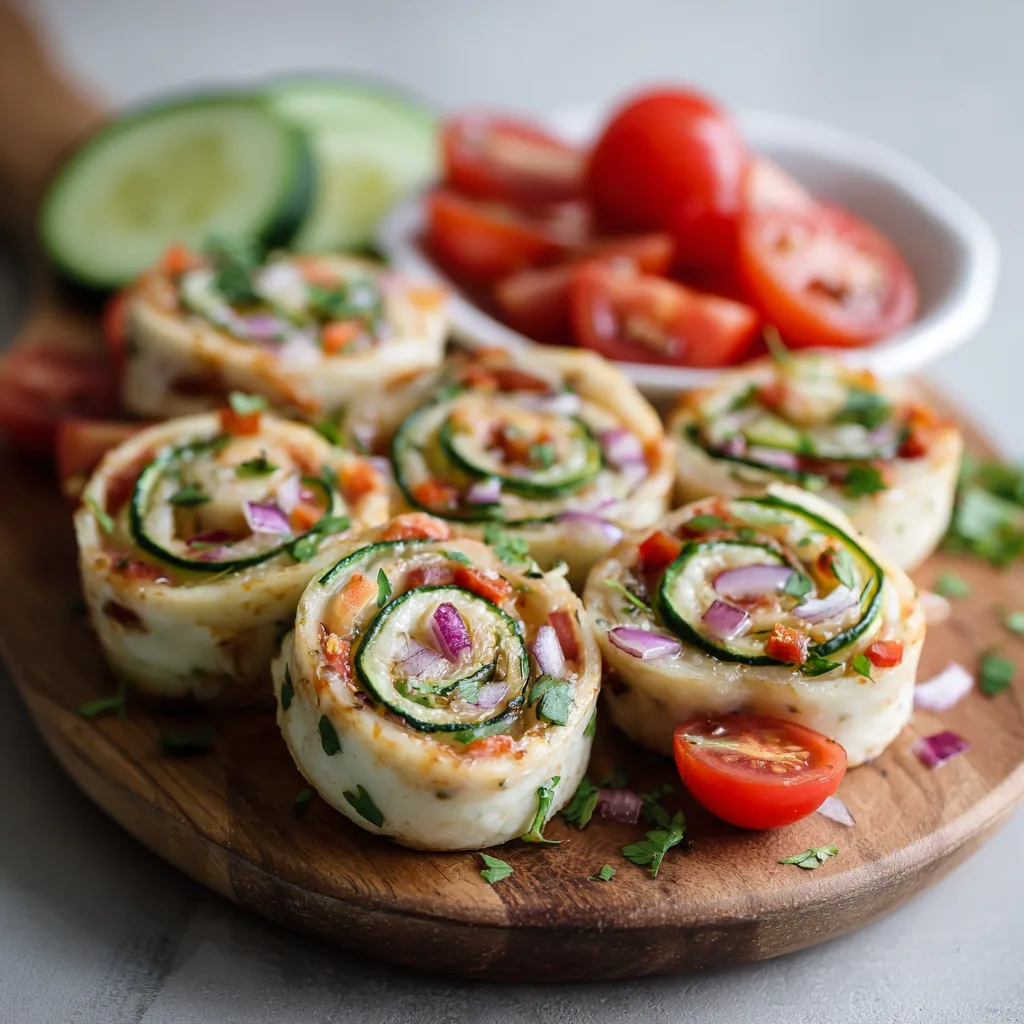
Veggie pinwheels are the quintessential finger food, a vibrant, bite-sized snack that effortlessly combines creamy texture with the fresh crunch of raw vegetables. Known alternately as tortilla roll-ups, these treats are incredibly versatile, serving as an ideal party appetizer, a healthy lunchbox component, or a quick, no-cook meal option. The standard recipe involves spreading a seasoned cream cheese mixture onto a large flour tortilla, layering it with finely diced vegetables, rolling it tightly, and then chilling it to create clean, attractive spirals. Mastering this simple preparation is key to unlocking a world of flavor variations and ensuring every pinwheel holds its shape perfectly, delivering a delightful burst of flavor in every bite.
Classic Ranch Veggie Pinwheels Recipe
This recipe yields approximately 24–30 pinwheels and is based on the most popular method for creating these satisfying snacks.
Ingredients
-
4 large (burrito-size, 10-inch) flour tortillas (whole wheat or spinach wraps can also be used)
-
8 ounces full-fat cream cheese, softened to room temperature
-
¼ cup mayonnaise or sour cream (optional, for a lighter texture)
-
1 packet (1 ounce) dry Ranch seasoning mix
-
½ teaspoon garlic powder
-
¼ teaspoon black pepper
-
1 cup finely shredded carrots
-
½ cup finely chopped red bell pepper
-
½ cup finely chopped broccoli florets
-
¼ cup sliced green onions or chives
-
½ cup shredded sharp cheddar cheese (optional)
Step-by-Step Instructions
-
Prepare the Base: In a medium mixing bowl, combine the softened cream cheese, mayonnaise (if using), Ranch seasoning, garlic powder, and black pepper. Use a hand mixer or a spatula to beat the mixture until it is smooth and creamy with no lumps.
-
Prep the Vegetables: Ensure all vegetables are minced or finely chopped into very small, uniform pieces. Crucial Tip: If using fresh, grated vegetables like zucchini or carrots, press them firmly in a clean paper towel or kitchen cloth to squeeze out any excess moisture.
-
Combine Filling: Fold the prepared carrots, bell pepper, broccoli, green onions, and shredded cheese (if using) into the cream cheese mixture. Stir gently until the vegetables are evenly distributed.
-
Spread the Filling: Lay one tortilla flat on a cutting board. Take one-quarter of the filling mixture and spread it evenly across the entire surface of the tortilla, making sure to go all the way to the edges. This coverage acts as the “glue” and moisture barrier.
-
Roll Tightly: Starting at one edge, roll the tortilla as tightly as possible, applying gentle but firm pressure to ensure the layers stick together and there are no large air pockets.
-
Chill: Wrap the rolled tortilla tightly in plastic wrap, twisting the ends like a candy wrapper to secure it. Repeat for the remaining tortillas. Place all rolls in the refrigerator and chill for a minimum of 1 hour, or ideally 2 to 4 hours (or overnight). This firming process is vital for clean slicing.
-
Slice and Serve: When ready to serve, unwrap the chilled rolls. Using a sharp, serrated knife, slice off about half an inch from each end (these end pieces are often uneven and can be discarded). Cut the remaining roll into 1-inch thick pinwheels. Arrange on a platter and serve cold.
The Anatomy of a Perfect Pinwheel: Essential Ingredients and Base Layer
Creating a successful pinwheel relies entirely on the composition of the base layer. This creamy spread serves three essential functions: it delivers the core flavor, acts as the adhesive to hold the filling in place, and forms a critical moisture barrier to prevent the tortilla from becoming soggy.
The foundational ingredient is almost always cream cheese. It must be thoroughly softened, ideally at room temperature for at least 30 minutes, to make it easily spreadable. For those seeking a lighter alternative, reduced-fat cream cheese or a mix of cream cheese and Greek yogurt or sour cream can be used.
For vegan or dairy-free options, hummus is the best substitute. Plain or roasted garlic hummus provides the necessary thickness and adhesive quality while introducing a distinct, earthy flavor profile.
Flavoring the base is where personalization begins, but the overwhelming favorite is Ranch seasoning mix. This pre-blended mix provides a savory, herbaceous punch that pairs exceptionally well with a wide range of fresh vegetables. Other popular seasoning blends include dried dill, garlic powder, onion powder, and fresh herbs like chives or parsley.
The wrap choice is also critical. Large, soft flour tortillas (burrito size) are the standard because they are pliable and resist tearing during the tight rolling process. While whole wheat or flavored tortillas (like spinach or sun-dried tomato) are excellent for variety, thin corn tortillas should be avoided as they often crack when rolled.
The Art of the Roll: Preparation Secrets and Techniques
Achieving picture-perfect pinwheels requires meticulous attention to detail during the preparation and rolling stages. The goal is a compact roll that slices cleanly into uniform, attractive spirals.
Veggies: Small and Dry is Key The texture of the vegetables is paramount. Large chunks will poke holes in the tortilla, make the roll bulky, and cause the finished pinwheel to fall apart. Vegetables must be finely minced, grated, or julienned—think rice-sized or smaller. Carrots and bell peppers are excellent choices when finely chopped.
The single most important technical step in pinwheel creation is moisture management. Many fresh vegetables (like carrots, zucchini, cucumbers, and even spinach) naturally release water. This moisture is the primary culprit behind soggy pinwheels. To combat this:
-
Avoid Wet Fillings: Minimise or fully avoid high-water-content items like fresh tomatoes (unless seeds are completely removed) and raw cucumber.
-
Squeeze it Out: If using grated carrots, chopped zucchini, or spinach, place them in a cheesecloth or thick paper towel and vigorously squeeze out any excess liquid before mixing them into the cream cheese spread.
-
Use a Barrier: Ensure the cream cheese or hummus mixture is spread generously and evenly over the entire surface of the tortilla to create a protective seal between the wet vegetables and the wrap.
The Rolling and Chilling Protocol When spreading the mixture, ensure an even, thin layer from edge to edge (or leaving a small half-inch border if you tend to overfill the center). Start the roll at the edge closest to you and fold over about half an inch. Then, proceed to roll as tightly as possible, tucking the edges in as you go to maintain a compact cylinder.
Once rolled, the chilling process is non-negotiable. Tightly wrap the roll in plastic wrap (sometimes referred to as a “swaddling technique”) and refrigerate for a minimum of 60 minutes, with 2 to 4 hours providing the best results. Chilling allows the cream cheese to firm up and the tortilla to absorb some of the moisture, essentially “gluing” the roll together so it doesn’t flatten or crumble when sliced.
Flavor Twists and Creative Recipe Variations
While the Ranch-flavored cream cheese pinwheel is a timeless favorite, the concept is easily adaptable to dozens of global flavor profiles, offering an excellent way to use leftover ingredients or cater to themed events.
Mediterranean & Super Veggie: Swap the cream cheese for a rich hummus base. Fill with shredded spinach, finely diced sun-dried tomatoes (pat dry), Kalamata olives, and roasted red peppers. A sprinkle of dried oregano and basil adds depth.
Jalapeño Popper: For a spicy kick, mix the cream cheese with finely diced, seeded fresh jalapeños, a dash of hot sauce, and grated Pepper Jack cheese. This variation benefits from a side of cool sour cream.
Taco/Southwestern: Mix the cream cheese with taco seasoning and a touch of lime juice. Fill with black beans, corn, finely minced red onion, and shredded Mexican cheese blend. Be very cautious with wet ingredients like salsa or avocado, adding them only as a dipping sauce, not as a filling.
Italian: Use a mixture of cream cheese and a spoonful of tomato paste or pesto as the base. Fill with finely chopped artichoke hearts, sliced black olives, and thinly sliced fresh basil. A light layer of finely grated Parmesan cheese enhances the Italian flavor.
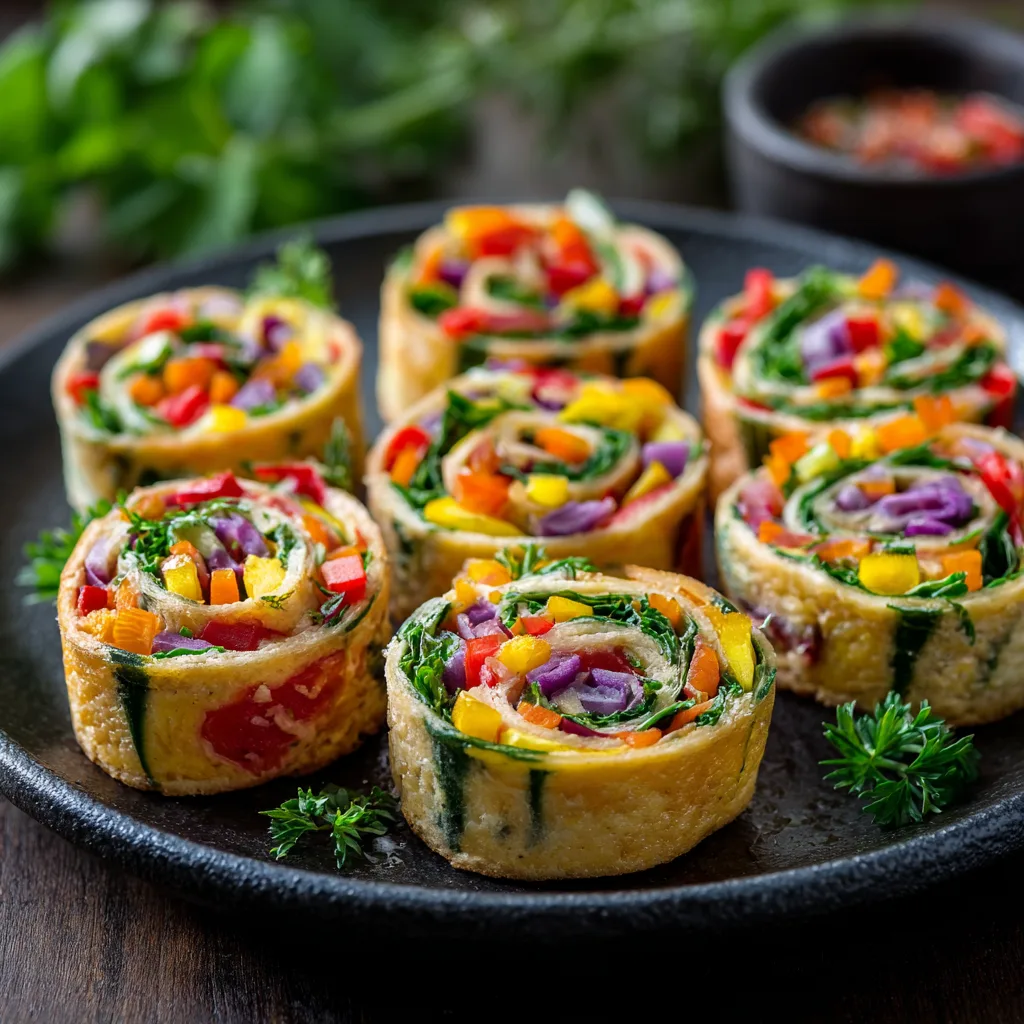
For a visually stunning option, create “Rainbow” Pinwheels by using a variety of colored veggies like purple cabbage, yellow bell peppers, red bell peppers, and green spinach to layer the colors sequentially across the tortilla before rolling.
Meal Prep, Storage, and Preventing Soggy Pinwheels
Veggie pinwheels are often celebrated as a wonderful make-ahead appetizer, but their delicate nature requires a specific approach to storage and timing to maintain their integrity and texture.
Make-Ahead Strategy: Pinwheels can be fully assembled, wrapped, and refrigerated up to 24 hours in advance. This is the recommended method, as it ensures the rolls are perfectly firm for slicing just before serving. However, it is strongly advised to wait to slice them until 30 minutes before they are due to be served. Slicing too early exposes the filling to air and moisture, accelerating the rate at which the tortilla absorbs liquid and becomes soggy.
Troubleshooting Soggy Rolls: If your pinwheels have a tendency to soften too quickly, review these common pitfalls:
-
Improper Prep: Ensure all wet vegetables were squeezed dry before mixing.
-
Lack of Barrier: The cream cheese must cover the entire tortilla surface, acting as the protective layer.
-
Premature Slicing: Only slice immediately before serving. If you must transport pre-cut pinwheels (such as for a lunchbox), line the container with a paper towel to absorb any moisture released during storage.
Storage and Longevity: Due to the fresh ingredients and the moisture they eventually release, pinwheels are best consumed within 24–48 hours of preparation. After two days, the texture of the tortillas will begin to degrade, becoming less desirable. Always store them tightly wrapped in plastic wrap or in an airtight container in the refrigerator.
Serving Suggestions and Culinary Pairings
Veggie pinwheels are the definition of convenient finger food, making them suitable for almost any occasion, from casual snacking to formal entertaining.
Party & Appetizer Platter: For entertaining, arrange the pinwheels in a visually appealing pattern, such as a spiral or a checkerboard, on a large platter. Use the color variation of the vegetables and the different shades of the tortillas (white, green, red) to create contrast. Pinwheels pair beautifully with a variety of simple dipping sauces that can add a complementary texture and flavor without overwhelming the snack itself. Excellent pairings include:
-
Sweet Red Chili Sauce (for a spicy-sweet balance)
-
Salsa or Pico de Gallo (for the Southwestern variations)
-
Creamy Avocado Dip or Guacamole
-
Simply seasoned sour cream or Greek yogurt mixed with fresh dill.
Lunchbox and Snack Ideas: Pinwheels are highly prized as a kid-friendly lunch component because they are bite-sized, mess-free, and appealingly colorful. They provide a simple way to introduce various vegetables to picky eaters. To keep them fresh and firm in a lunchbox, pack them in an insulated bag with an ice pack and, as noted above, wrap them in a paper towel within the container to absorb ambient moisture. They offer a healthier, high-protein alternative to traditional deli wraps, especially when incorporating ingredients like hemp hearts or using hummus as a base.