Veggie Sushi Rolls: The Perfect Healthy Snack
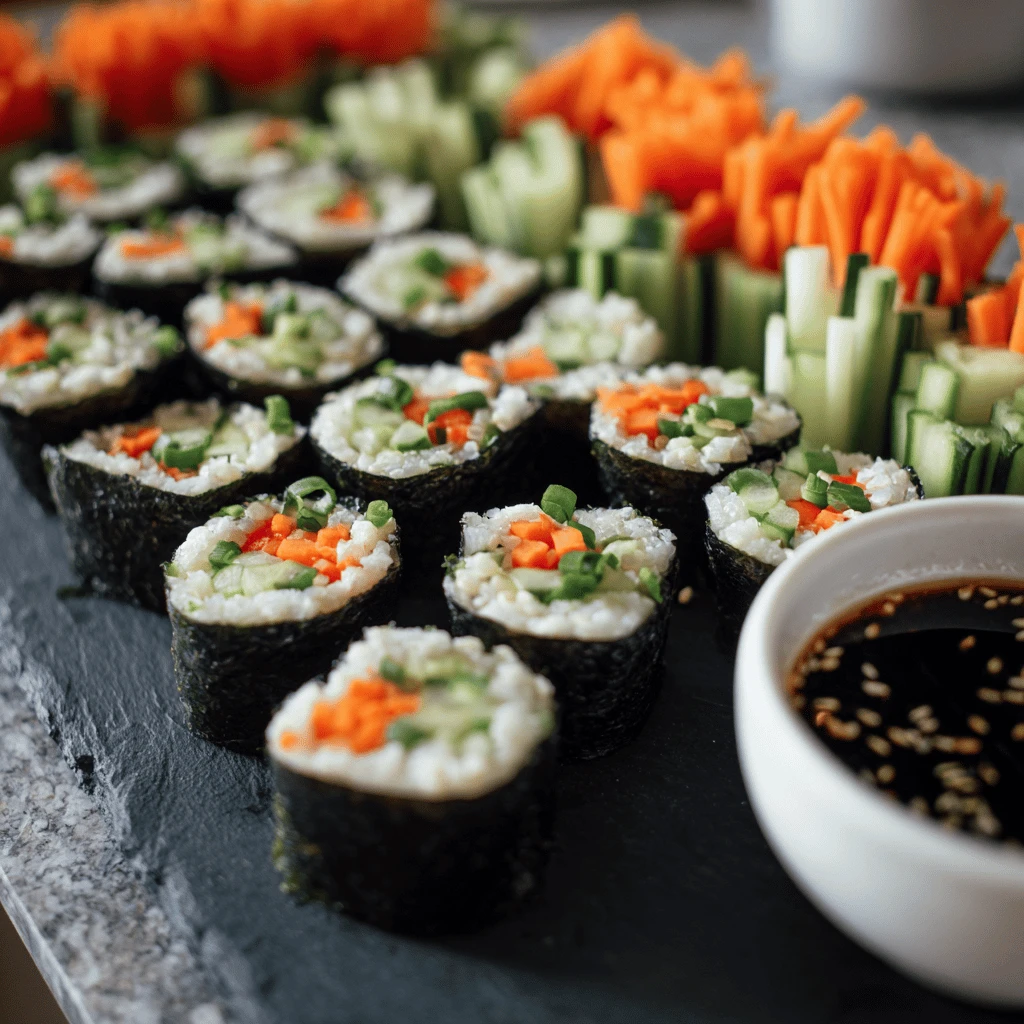
Sushi, traditionally associated with fish, has seen a vibrant vegetarian evolution. Veggie sushi rolls offer a delightful and healthy alternative, perfect as a snack or light meal. This article explores the world of veggie sushi, providing insights, tips, and recipe ideas to create your own delicious rolls at home.
Why Veggie Sushi Rolls Are a Great Snack Choice
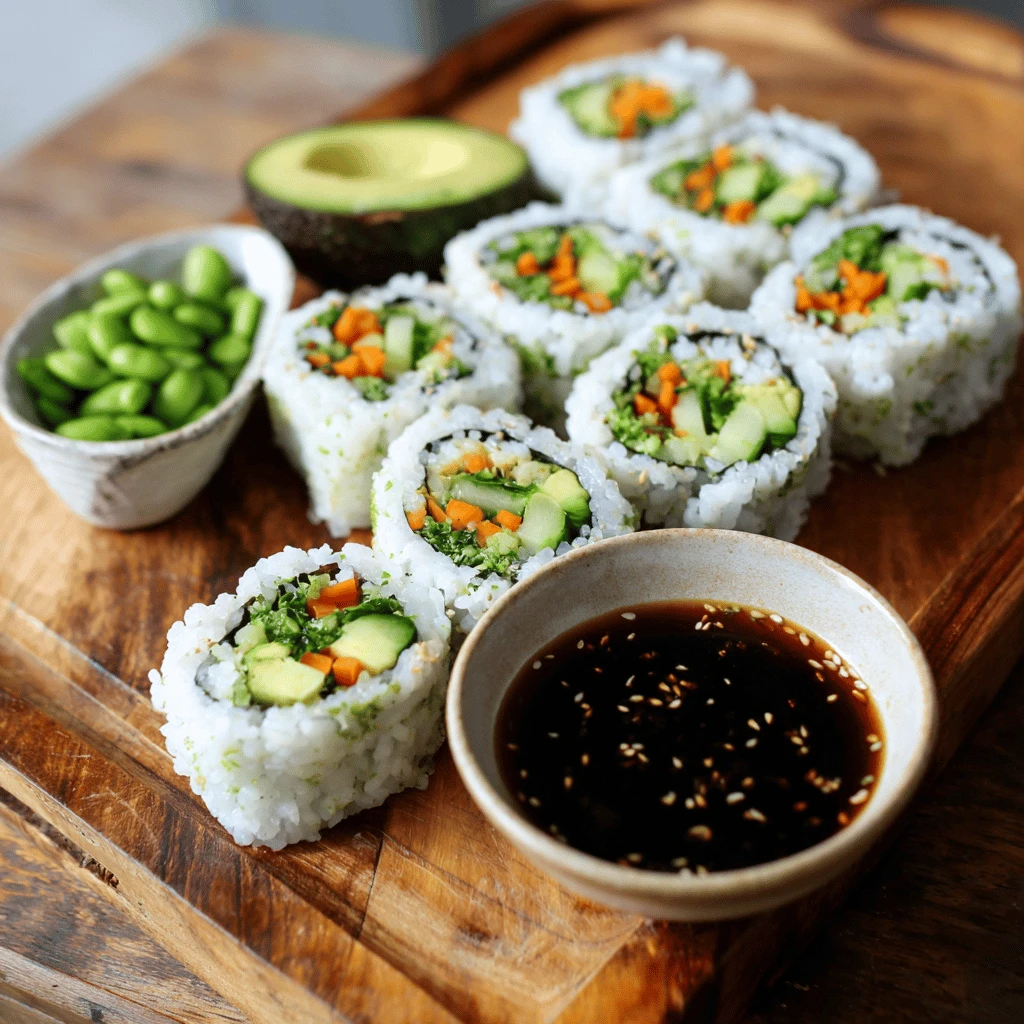
Veggie sushi rolls are more than just a culinary trend; they’re a fantastic way to incorporate more vegetables into your diet. Here’s why they make a smart snack choice:
- Nutrient-rich: Packed with vitamins, minerals, and fiber from the vegetables. Common fillings like avocado, cucumber, carrots, and bell peppers provide essential nutrients.
- Low in Calories: Compared to traditional sushi with fish, veggie rolls tend to be lower in calories and fat, making them a guilt-free treat.
- Versatile and Customizable: You can tailor the fillings to your liking and dietary needs. The possibilities are endless, from simple cucumber rolls to elaborate creations with various cooked and raw veggies.
- Visually Appealing: The vibrant colors of the vegetables make veggie sushi rolls visually appealing, which can encourage even picky eaters to try them.
- Easy to Make (with Practice): While there’s a learning curve, making veggie sushi at home is relatively easy and can be a fun activity. Pre-cooked rice and readily available ingredients simplify the process.
Essential Ingredients for Veggie Sushi
Creating delicious veggie sushi requires quality ingredients. Here’s a breakdown of the essentials:
-
- Sushi Rice: Short-grain Japanese rice is crucial. Its starch content creates the necessary stickiness for the rolls to hold their shape. Cook the rice according to package instructions, then season with sushi vinegar (a mixture of rice vinegar, sugar, and salt) for the authentic flavor.
- Nori Seaweed Sheets: These dried seaweed sheets provide the outer layer for the rolls. Choose high-quality nori that is crisp and has a deep green color.
- Vegetables: The star of the show! Consider a variety of colors and textures. Popular choices include:
Cucumber: Adds a refreshing crunch.
Avocado: Provides creaminess and healthy fats.
Carrots: Offer sweetness and vibrant color. Julienne or shred them for easy rolling.
Bell Peppers: Add sweetness and a satisfying crunch. Choose red, yellow, or orange for visual appeal.
Asparagus: Lightly steamed or blanched, asparagus provides a slightly bitter and sophisticated flavor.
Radishes: Thinly sliced radishes offer a peppery kick.
Sprouts: Alfalfa, bean, or radish sprouts add a fresh, crunchy element.
Pickled Vegetables: Pickled ginger (gari) and daikon radish (oshinko) are traditional accompaniments that cleanse the palate between bites.
-
- Condiments and Sauces: These enhance the flavor and overall experience:
Soy Sauce: For dipping. Choose low-sodium options to control salt intake.
Wasabi: A pungent Japanese horseradish paste. Use sparingly, as it's quite strong.
Sesame Seeds: Add a nutty flavor and visual appeal. Toasted sesame seeds are even more flavorful.
Spicy Mayo: A blend of mayonnaise and sriracha for a creamy and spicy kick.
Eel Sauce (Vegetarian Version): A sweet and savory sauce that can be made with soy sauce, mirin, sugar, and cornstarch.
Step-by-Step Guide to Making Veggie Sushi Rolls
Making veggie sushi at home might seem intimidating, but with a little practice, you’ll be rolling like a pro. Here’s a step-by-step guide:
1. Prepare the Sushi Rice: Cook the rice according to package directions. While it’s still warm, gently mix in the sushi vinegar until evenly distributed. Allow the rice to cool slightly before using.
2. Prepare the Vegetables: Wash, peel, and cut your chosen vegetables into thin strips or small pieces. If using asparagus, lightly steam or blanch it.
3. Set Up Your Work Station: You’ll need a bamboo sushi rolling mat (makisu), a bowl of water, and a sharp knife. Wrap the rolling mat in plastic wrap to prevent the rice from sticking.
4. Assemble the Roll:
Place a sheet of nori on the rolling mat.
Spread a thin, even layer of sushi rice over the nori, leaving about an inch of space at the top edge.
Arrange your chosen vegetables in a line across the center of the rice.
Using the rolling mat, lift the edge closest to you and roll it over the vegetables, tucking them in tightly.
Continue rolling until the entire roll is formed. Use the rolling mat to apply gentle pressure to create a compact and even roll.
Moisten the top edge of the nori with a little water to seal the roll.
5. Cut and Serve:
Using a sharp, wet knife, cut the roll into 6-8 even pieces. Wipe the knife clean with a damp cloth between each cut to prevent sticking.
Arrange the sushi rolls on a plate and serve with soy sauce, wasabi, and pickled ginger.
Variations: Inside-Out Rolls (Uramaki)
Inside-out rolls, also known as uramaki, are a popular variation where the rice is on the outside of the roll. To make uramaki:
1. Place a sheet of nori on the rolling mat.
2. Spread a thin, even layer of sushi rice over the nori, covering the entire sheet.
3. Flip the nori over so that the rice is facing down on the rolling mat.
4. Arrange your chosen vegetables in a line across the center of the nori.
5. Roll the sushi as described above.
6. Before cutting, sprinkle the outside of the roll with sesame seeds or tobiko (flying fish roe – optional).
Creative Veggie Sushi Roll Ideas
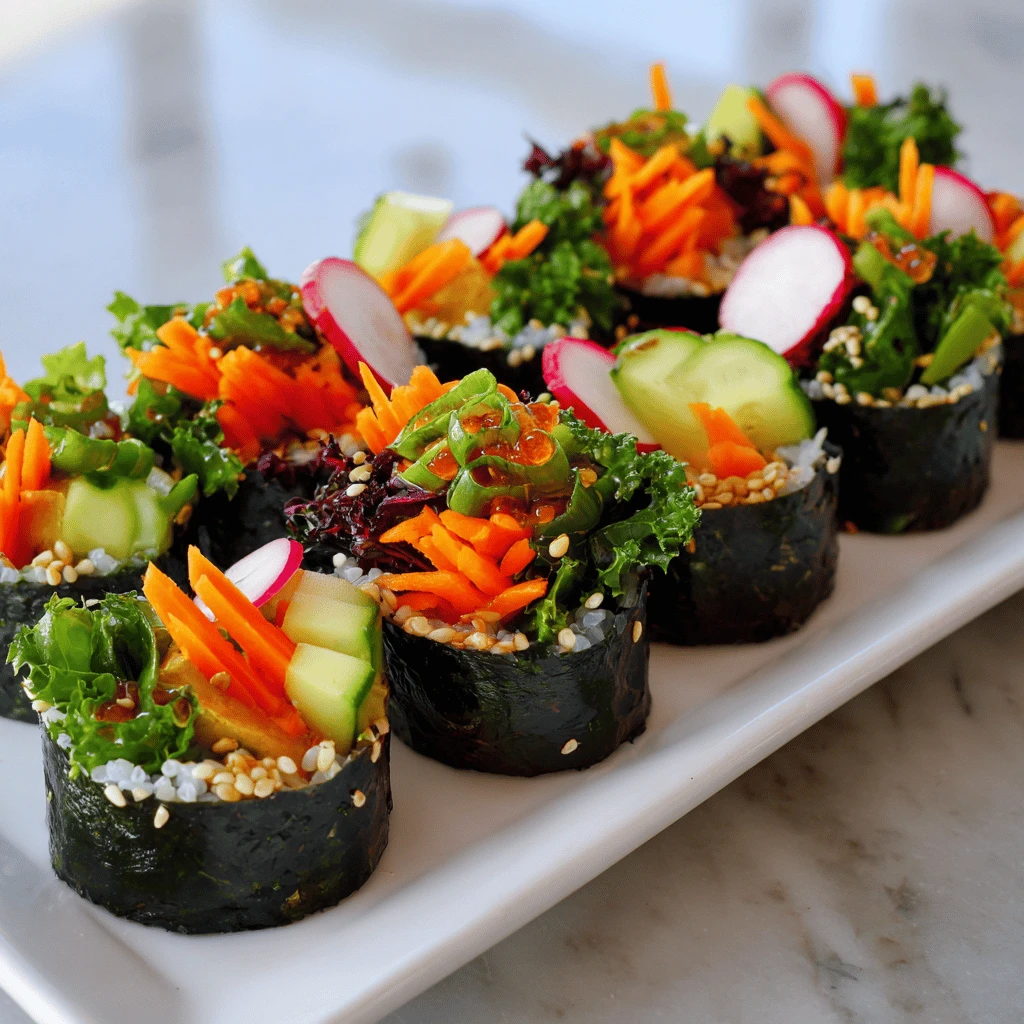
The beauty of veggie sushi lies in its versatility. Here are some creative ideas to inspire your own creations:
- California Roll Variation: Avocado, cucumber, and imitation crab (vegan option available).
- Spicy Veggie Roll: Bell peppers, cucumber, avocado, and spicy mayo.
- Rainbow Roll: Avocado, cucumber, carrots, and red bell pepper.
- Asparagus and Cream Cheese Roll: Lightly steamed asparagus and vegan cream cheese.
- Sweet Potato Roll: Roasted sweet potato, avocado, and a drizzle of maple syrup.
- Tofu and Avocado Roll: Marinated and baked tofu with creamy avocado.
- Mediterranean Roll: Sun-dried tomatoes, cucumber, Kalamata olives, and feta (vegan feta available).
- Mango Avocado Roll: Ripe mango, creamy avocado, and a touch of lime juice.
- Peanut Avocado Roll: Avocado, cucumber, peanut butter and crushed peanuts.
Tips for Perfect Veggie Sushi Rolls
- Use High-Quality Ingredients: The fresher the ingredients, the better the taste.
- Don’t Overfill the Rolls: Too many fillings can make the rolls difficult to roll and cut.
- Keep Your Knife Sharp and Wet: A sharp knife will make clean cuts, and wetting it prevents the rice from sticking.
- Practice Makes Perfect: Don’t be discouraged if your first few rolls aren’t perfect. With practice, you’ll improve your technique.
- Get Creative with Fillings: Experiment with different vegetables, sauces, and toppings to find your favorite combinations.
- Make Ahead: Sushi can be prepared a few hours in advance. Keep the rolls covered in the refrigerator to prevent them from drying out.
Frequently Asked Questions (FAQ)
- What is the best rice for veggie sushi? Short-grain Japanese rice is the best choice because its high starch content makes it sticky enough to hold the rolls together.
- Can I use regular rice instead of sushi rice? While you can, the results won’t be the same. Regular rice lacks the stickiness needed for sushi, making it difficult to roll and hold its shape.
- Where can I buy sushi-making supplies? You can find sushi rice, nori sheets, rolling mats, and other supplies at most Asian grocery stores and some well-stocked supermarkets. Online retailers also offer a wide selection.
- How do I store leftover veggie sushi? Store leftover sushi in an airtight container in the refrigerator. It’s best consumed within 24 hours, as the rice can dry out and the vegetables can lose their crispness.
- Can I freeze veggie sushi? Freezing sushi is not recommended, as the rice and vegetables can become mushy when thawed.
- Is veggie sushi healthy? Yes, veggie sushi can be a healthy snack or light meal. It’s packed with nutrients from the vegetables and is lower in calories and fat than traditional sushi with fish.
- How do I make sushi rice without a rice cooker? You can cook sushi rice in a pot on the stovetop. Rinse the rice until the water runs clear, then combine it with water in a pot (usually a 1:1 ratio). Bring to a boil, then reduce the heat to low, cover, and simmer for 15-20 minutes, or until the water is absorbed.
- What can I use instead of nori seaweed? If you don’t like nori, you can use thin slices of cucumber or rice paper wrappers. However, the texture and flavor will be different.
- How do I make veggie sushi gluten-free? To make gluten-free sushi, use tamari instead of soy sauce and ensure that any other sauces or ingredients you use are also gluten-free. Most nori is naturally gluten-free.
- Can I add fruit to my veggie sushi rolls? Yes! Fruits like mango, strawberry, and pineapple can add a delicious sweetness and interesting texture to your sushi rolls. Experiment and find your favorite combinations.